


What's Happening?
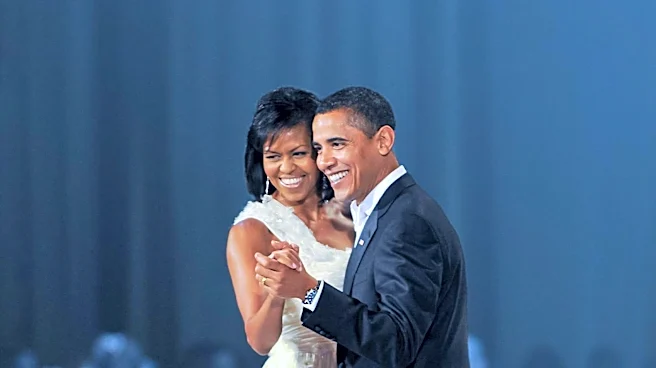
As President Barack Obama's birthday approaches, a reflection on his musical legacy and its impact on American culture is being highlighted. Throughout his presidency, Obama was known for his appreciation of music, hosting numerous musical events at the
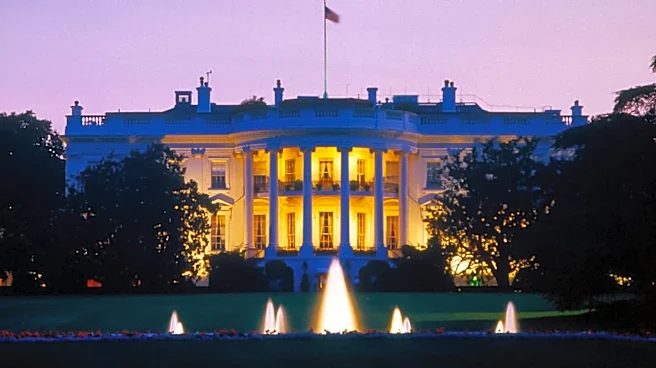
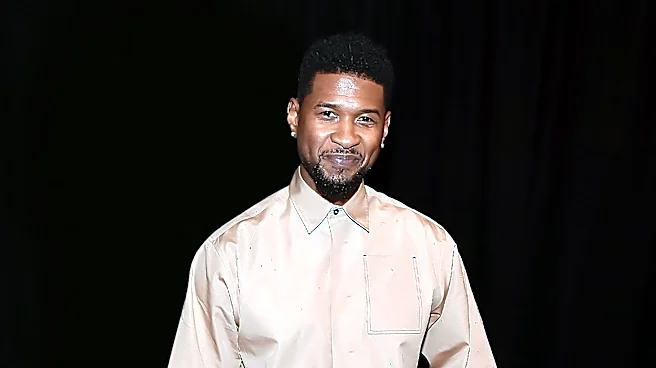
White House that celebrated various genres and artists. These events included tributes to the Civil Rights Movement, soul music, and American creativity, featuring performances by renowned artists such as Aretha Franklin, Patti LaBelle, and Usher. Obama's presidency was marked by his ability to connect with the public through music, often sharing his playlists and even performing himself, such as his memorable rendition of 'Amazing Grace' during a eulogy. His support for the arts and culture was evident in his celebration of the National Endowment for the Humanities and the Arts, emphasizing the importance of cultural diversity in America.
Why It's Important?
Obama's engagement with music and the arts during his presidency had a significant impact on American culture and society. By hosting musical events and supporting the arts, he highlighted the role of music in social change and cultural expression. His actions underscored the importance of diversity and inclusion, using music as a platform to bring attention to civil rights and social justice issues. This approach not only resonated with the American public but also set a precedent for future administrations to recognize and celebrate the arts as a vital component of national identity. Obama's musical legacy continues to inspire and influence artists and cultural leaders, reinforcing the idea that music can be a powerful tool for unity and change.
What's Next?
As the nation reflects on Obama's contributions to music and culture, there is a continued emphasis on preserving and promoting the arts in America. Future administrations may look to Obama's example in integrating cultural events into their agendas, recognizing the arts as a means to foster community and dialogue. The ongoing celebration of Obama's musical legacy may also encourage new initiatives and programs that support artists and cultural institutions, ensuring that the arts remain a vibrant and integral part of American society.
Beyond the Headlines
Obama's use of music as a form of political and cultural expression highlights the broader implications of art in public life. His presidency demonstrated how music can transcend political boundaries and serve as a unifying force, bringing people together across different backgrounds and beliefs. This approach challenges future leaders to consider the role of culture in governance and to explore innovative ways to engage with the public through the arts. The legacy of Obama's musical initiatives may also inspire a new generation of artists and activists to use their platforms for social change, continuing the tradition of music as a catalyst for progress.