


What's Happening?
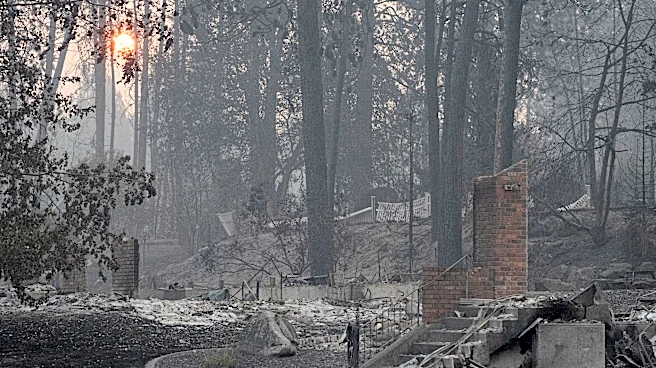
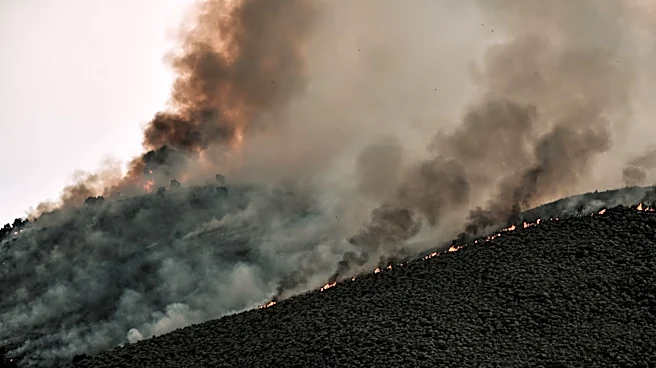
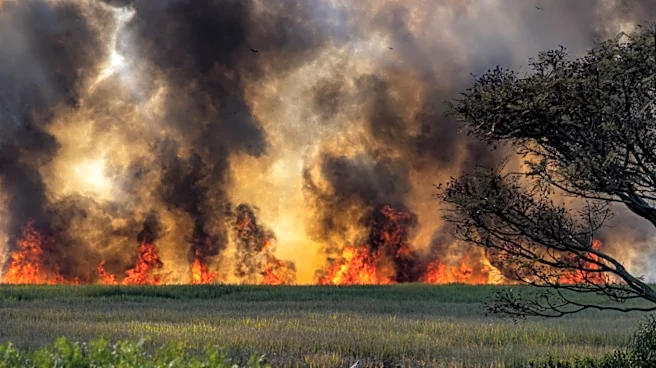
A recent study by the World Weather Attribution (WWA) has confirmed that human-induced climate change has made the wildfires in Canada twice as likely. The study examined weather conditions such as extreme heat, drought, humidity, and wind, which contributed
to the rapid spread of fires across Canada. The findings indicate that the current weather patterns, exacerbated by a 1.4°C increase in global temperatures due to fossil fuel burning, have significantly increased the frequency and intensity of such fires. The study highlights that without human-induced warming, such extreme fire conditions would occur less frequently. The report comes amid ongoing wildfires in Canada, which have resulted in significant smoke drift into the United States, affecting air quality and public health.
Why It's Important?
The study underscores the urgent need for global action to address climate change and its impacts. The increased frequency and intensity of wildfires pose significant risks to public health, ecosystems, and economies. The findings highlight the role of fossil fuel consumption in exacerbating climate conditions, calling for a shift towards sustainable energy sources. The study also emphasizes the limitations of adaptation strategies alone, advocating for a reduction in carbon emissions to prevent further climate-related disasters. The implications of the study are critical for policymakers, environmental organizations, and the public, as they navigate the challenges of climate change mitigation and adaptation.
What's Next?
In response to the study, there may be increased advocacy for stronger climate policies and international cooperation to reduce carbon emissions. Governments and organizations may prioritize investments in renewable energy and sustainable practices to mitigate the impacts of climate change. Additionally, there could be a push for enhanced wildfire management and prevention strategies to protect communities and ecosystems. The study's findings may also influence public discourse and awareness, encouraging individuals to adopt more sustainable lifestyles and support climate action initiatives.