




What's Happening?
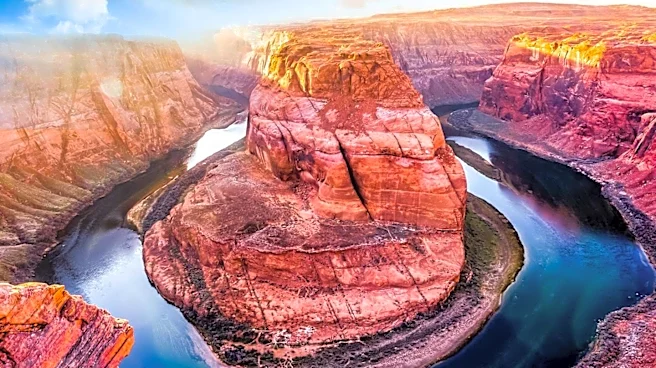
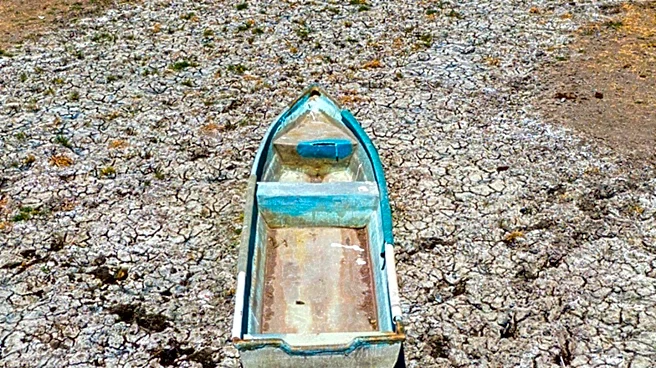
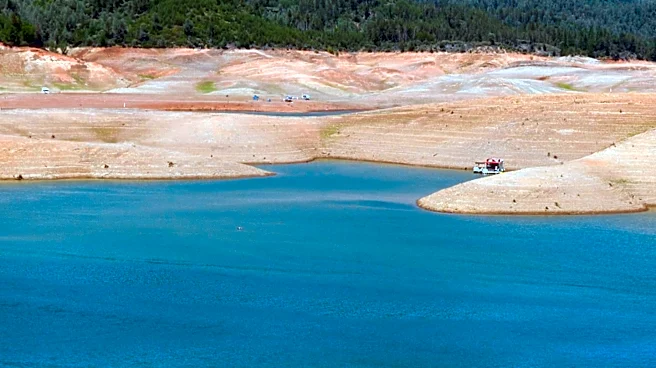
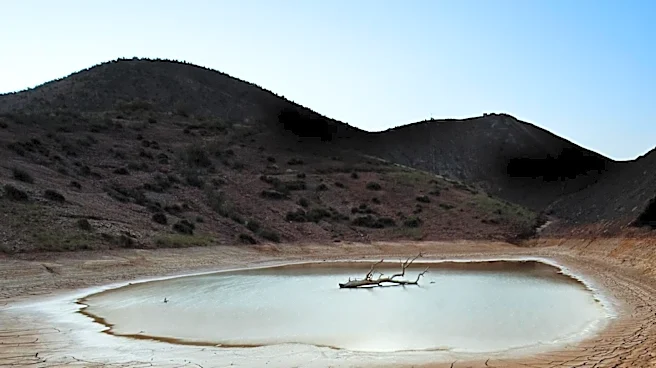
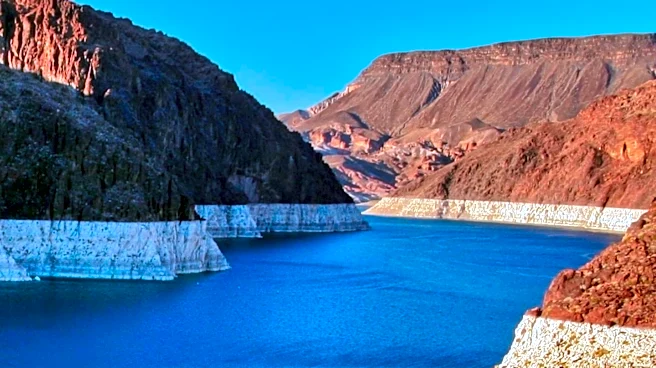
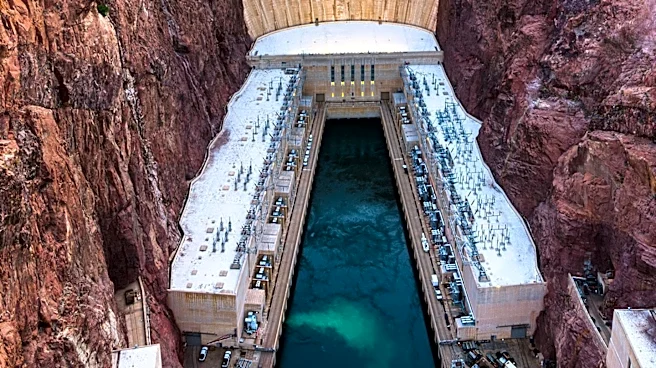
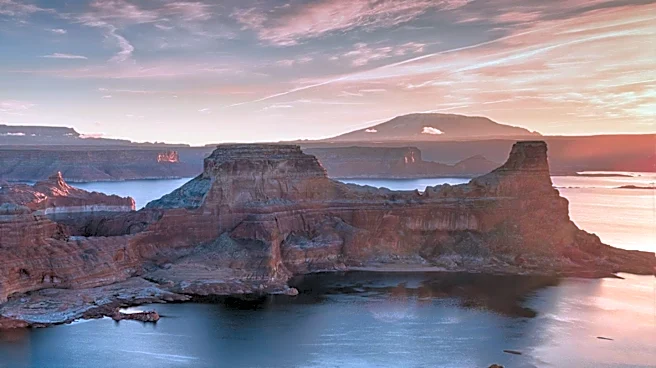
Lake Mead and Lake Powell, the two largest reservoirs in the United States, have reached historically low levels, exacerbating the ongoing Colorado River crisis. The reservoirs, crucial for water management across seven U.S. states and Mexico, are now
at levels not seen in nearly seven decades. This decline is attributed to prolonged drought, overuse, and climate change, raising concerns about water supply, hydropower generation, and environmental impacts. Federal officials are urging states to reduce water usage, but consensus on long-term solutions remains elusive.
Why It's Important?
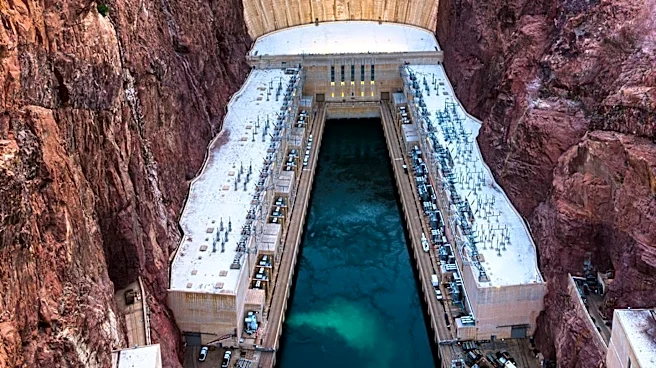
The Colorado River system is vital for the water supply of millions of people and supports agriculture, wildlife, and energy production. The current crisis threatens these functions, with potential economic and environmental consequences. Hydropower generation at Hoover and Glen Canyon Dams is at risk, which could lead to higher electricity costs and reduced grid flexibility. The situation underscores the urgent need for sustainable water management practices and collaborative efforts to address the impacts of climate change on water resources.
What's Next?
Federal and state agencies will need to implement and enforce water conservation measures to stabilize reservoir levels. Long-term solutions may involve infrastructure investments, policy changes, and technological innovations to enhance water efficiency. Stakeholders, including agricultural, urban, and environmental groups, will need to collaborate on equitable water distribution strategies. The situation will require ongoing monitoring and adaptation to changing climate conditions.