





What's Happening?
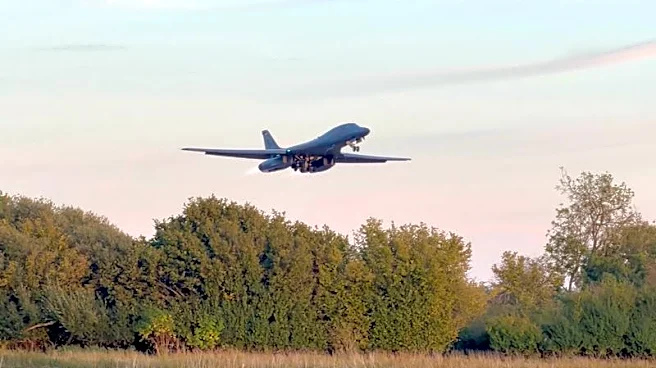
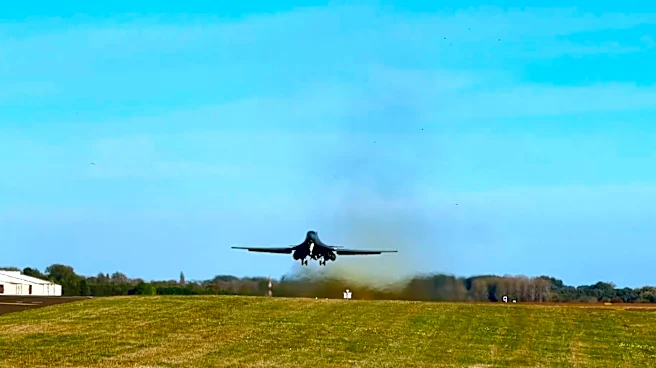
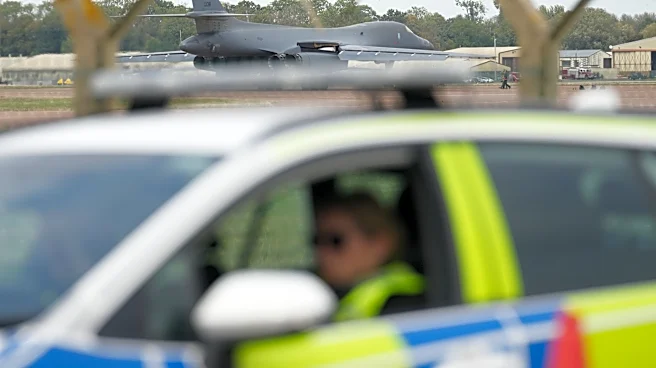
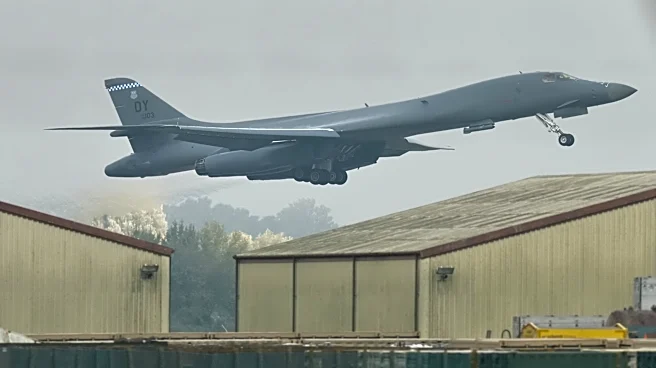
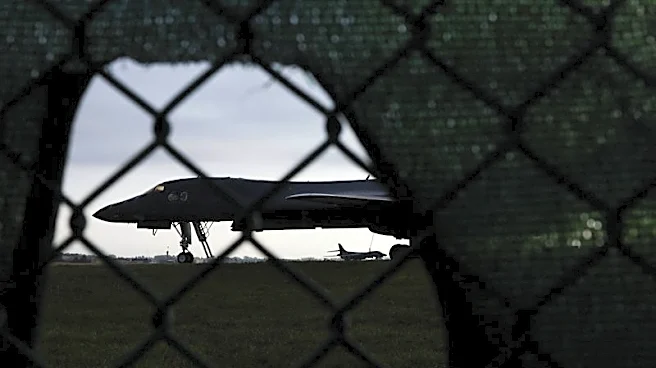
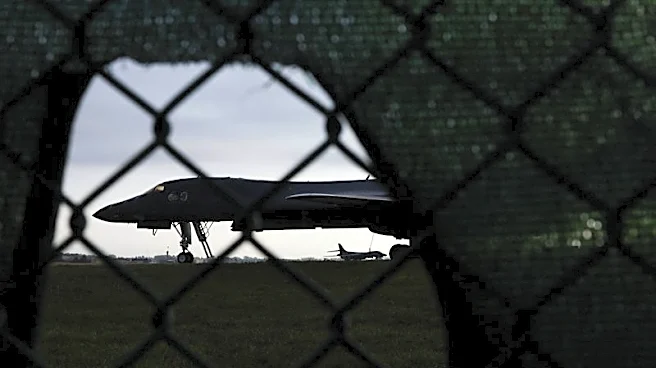
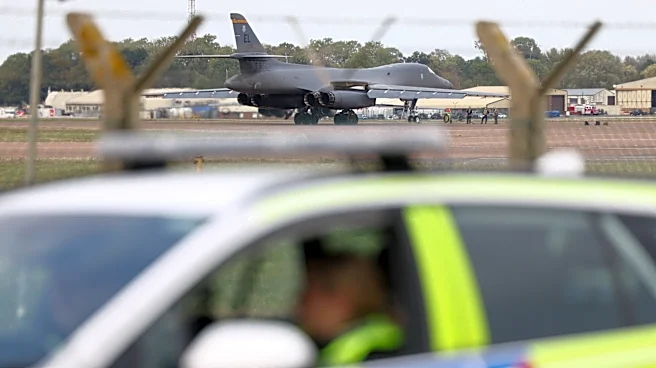
The U.S. Air Force has removed its B-1 and B-52 bombers from RAF Fairford, a British military base, following a series of arrests in an ongoing terrorism investigation. The Pentagon confirmed the return of these aircraft to the United States. The investigation centers
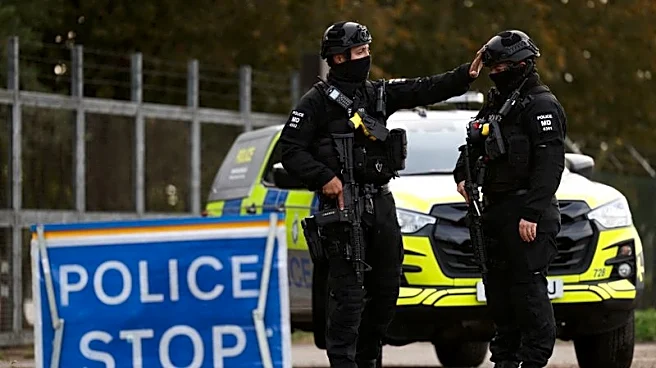
on a suspected plot near RAF Fairford, with authorities exploring potential connections to Iran. Seven suspects have been arrested in connection with the case; five British men were initially arrested on September 27 after suspicious vehicles were reported near the base. A sixth suspect, a dual British-Iranian national, was later apprehended in London, and a seventh, a 22-year-old man, was detained in London on suspicion of preparing an act of terrorism. All initial six suspects were released on bail. Former Chicago Police Superintendent and former FBI Special Agent in Charge Jody Weis indicated that the decision to move the bombers suggests a significant threat assessment. British investigators found gasoline in three vans linked to the suspects, though no explosives were discovered. Iran has denied involvement in the suspected plot.
Why It's Important?
The withdrawal of U.S. strategic bombers from a key European base underscores heightened security concerns and the perceived threat level to high-value military assets. The B-1B Lancer, no longer in production, represents a finite and critical component of the U.S. Air Force's capabilities, making its protection paramount. The incident highlights the vulnerability of military installations to potential terrorist activities, even in allied nations. The ongoing investigation into a possible Iranian connection adds a layer of geopolitical tension, as RAF Fairford has historically been used for operations involving Iran. This situation could influence future U.S. military deployments and security protocols at overseas bases, potentially leading to more stringent threat assessments and rapid response measures. The involvement of multiple suspects and the discovery of incendiary materials suggest a coordinated effort, raising questions about the scope and nature of the threat to U.S. interests abroad.
What's Next?
The terrorism investigation is ongoing, with authorities continuing to examine the nature and extent of the suspected plot and any potential links to Iran. The seventh suspect, a 22-year-old man, remains detained in London on suspicion of preparing an act of terrorism. Further arrests or charges could follow as investigators gather more evidence. The U.S. military will likely reassess its security posture at RAF Fairford and other overseas bases, potentially implementing enhanced protective measures before any future deployments of strategic assets. The diplomatic implications of a potential Iranian connection will also be closely watched, as it could impact international relations and counter-terrorism efforts. The decision to release the initial suspects on bail, despite the ongoing investigation, may draw further scrutiny and could be a point of contention as the case progresses through the British legal system.
Beyond the Headlines
This incident highlights the complex and evolving nature of global security threats, where state and non-state actors can pose significant challenges to military operations. The perceived threat to U.S. bombers, which are symbols of American power projection, could be interpreted as an attempt to disrupt strategic capabilities and create instability. The discussion by Jody Weis regarding the value of B-1 bombers, which are no longer manufactured, underscores the strategic importance of protecting existing assets. The incident also brings to light the challenges of international cooperation in counter-terrorism efforts, particularly when dealing with sensitive intelligence and differing legal frameworks, as evidenced by Weis's surprise at the suspects' release on bail. The broader implications extend to the psychological impact of such threats on military personnel and the public, reinforcing the need for constant vigilance and adaptive security strategies.