



What's Happening?
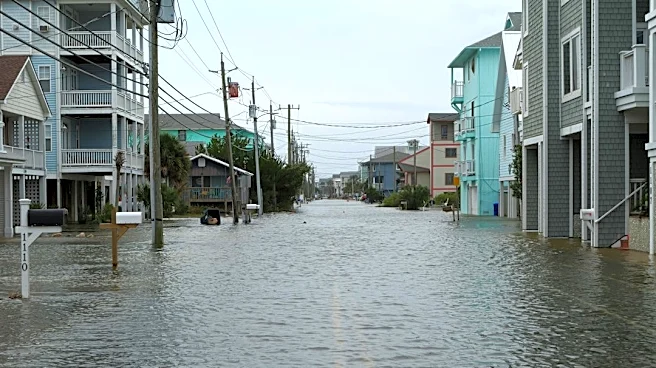
Florida Governor Ron DeSantis has expanded an executive order declaring a state of emergency for numerous counties across the state due to intense rainfall and widespread flooding. The initial order, issued on November 2 for several counties, was broadened
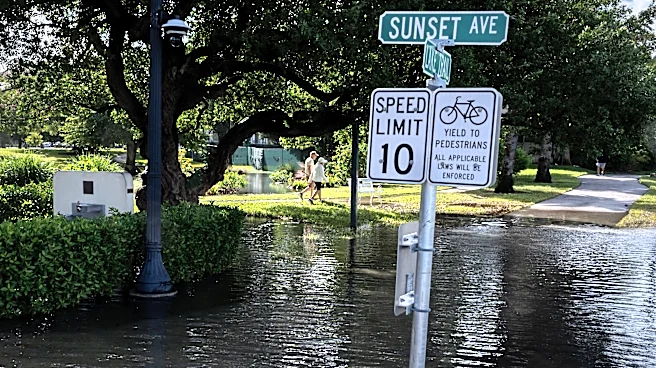
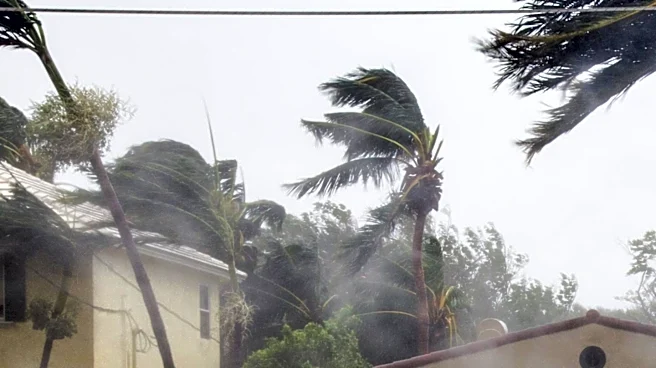
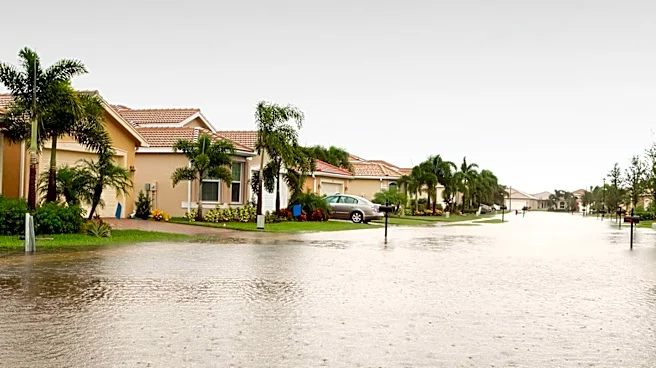
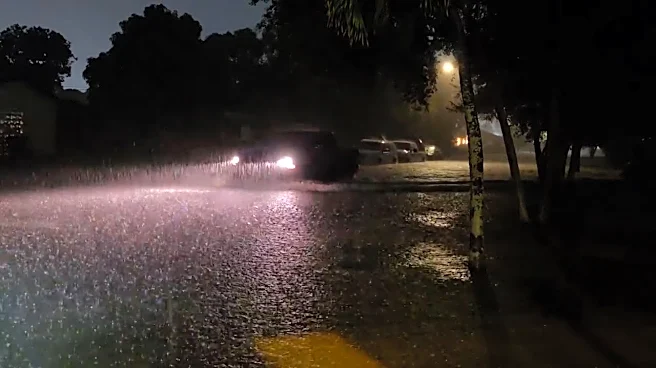
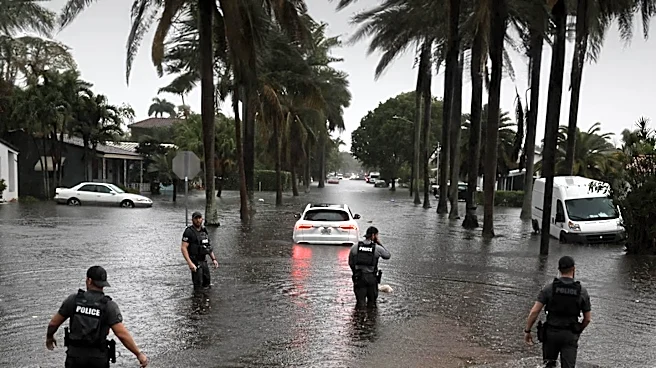
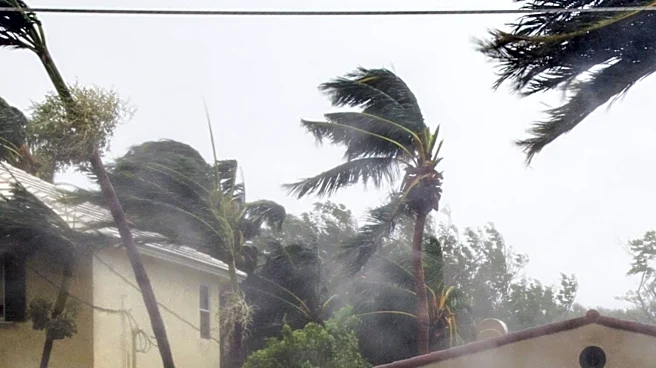
on November 4 to include additional areas and further expanded on Wednesday to encompass Broward, Duval, Flagler, Miami-Dade, Monroe, Putnam, and St. Johns counties. This expansion follows severe rainfall, with some areas like Broward County experiencing over 10 inches within a 12-hour period. The state has deployed hundreds of Florida National Guard and Florida State Guard members, along with Florida Highway Patrol Troopers, Florida Fish and Wildlife Conservation Commissioner officers, and Department of Transportation crews, to assist with response efforts. Emergency resources, including flood control devices, generators, and vacuum trucks, have been pre-staged.
Why It's Important?
The expanded state of emergency highlights the significant impact of severe weather events on Florida's infrastructure and communities. The extensive flooding has led to road closures, school cancellations, and potential damage to critical facilities, disrupting daily life for residents across multiple counties. The deployment of state resources, including the National Guard and various emergency services, underscores the severity of the situation and the state's commitment to disaster response. This event also brings attention to the ongoing challenges Florida faces with extreme weather, necessitating robust emergency preparedness and infrastructure resilience. The economic impact could be substantial, affecting local businesses, property owners, and the state's budget due to recovery and repair costs.
What's Next?
Slow-moving rain and thunderstorms are forecast to continue through Friday, which will likely exacerbate existing flooding and further saturate the ground in affected areas. This ongoing weather pattern suggests that the emergency response efforts will need to continue for several more days, with potential for additional evacuations and disruptions. State and local officials will continue to monitor conditions and provide guidance to residents, advising against unnecessary travel and driving through flooded roads. The long-term implications will involve extensive recovery efforts, including infrastructure repairs and assistance for affected residents and businesses. The executive order remains in effect through the end of the year, indicating a prolonged period of potential impact and recovery.
Beyond the Headlines
The recurring and intensifying severe weather events in Florida, exemplified by this widespread flooding, point to broader implications concerning climate patterns and urban development. The need for repeated emergency declarations and large-scale deployments of resources highlights the increasing strain on state budgets and emergency services. This situation could accelerate discussions on long-term climate adaptation strategies, including improved drainage systems, resilient infrastructure, and revised land-use planning in vulnerable areas. Furthermore, the continuous disruption to daily life and economic activity may prompt a re-evaluation of insurance policies and disaster relief mechanisms, potentially influencing future housing and business development decisions in coastal and low-lying regions of Florida. The event underscores the critical intersection of environmental changes and public policy.