




What's Happening?
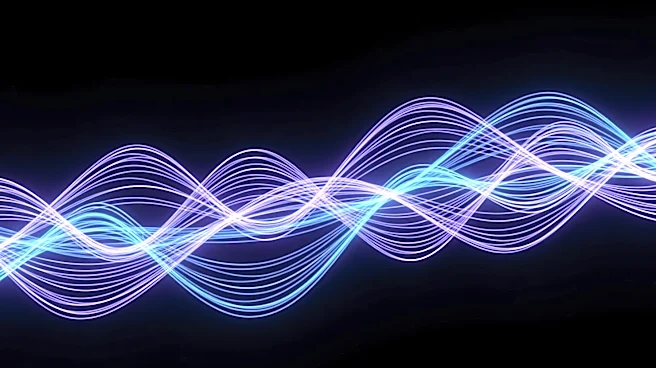
Recent research has identified inaudible infrasound waves, often emitted by old boilers, pipes, and plumbing, as a potential factor influencing people's perceptions of haunted buildings. According to Rodney Schmaltz, a psychologist at MacEwan University,
these low-frequency sound waves can negatively affect mood, making individuals feel unnerved and uncomfortable. This sensation might lead some to believe in the presence of ghosts, especially if they are already inclined towards supernatural explanations. The study, published in the journal Frontiers in Behavioral Neuroscience, involved experiments where participants were exposed to infrasound without their knowledge. Results showed increased stress responses and mood shifts, suggesting that infrasound could contribute to the eerie feelings associated with haunted locations.
Why It's Important?
Understanding the role of infrasound in perceived ghost sightings could have significant implications for both scientific research and public perception of paranormal phenomena. By identifying a tangible, physical cause for these experiences, the study challenges traditional beliefs about ghosts and hauntings. This could lead to a shift in how such phenomena are investigated and understood, potentially reducing fear and superstition associated with old buildings. Additionally, the findings may influence architectural and engineering practices, encouraging the consideration of infrasound emissions in building design and maintenance to improve occupant comfort and mental well-being.
What's Next?
Further research is needed to conclusively determine the prevalence of infrasound in popular haunted locations and its exact impact on human perception. Scientists may conduct more extensive studies to measure infrasound levels in various environments and explore other factors contributing to ghost sightings. This could involve collaborations between psychologists, acousticians, and engineers to develop comprehensive models of how environmental factors influence human emotions and perceptions. Such research could also inform public education campaigns aimed at demystifying paranormal experiences and promoting scientific literacy.
Beyond the Headlines
The study's findings highlight the complex interplay between environmental factors and human psychology. It raises questions about how other unseen elements in our surroundings might affect our mental states and perceptions. This research could pave the way for broader investigations into how modern living environments impact mental health, potentially leading to innovations in building design that prioritize psychological well-being. Moreover, it underscores the importance of interdisciplinary approaches in addressing questions that span science, culture, and human experience.