






What's Happening?
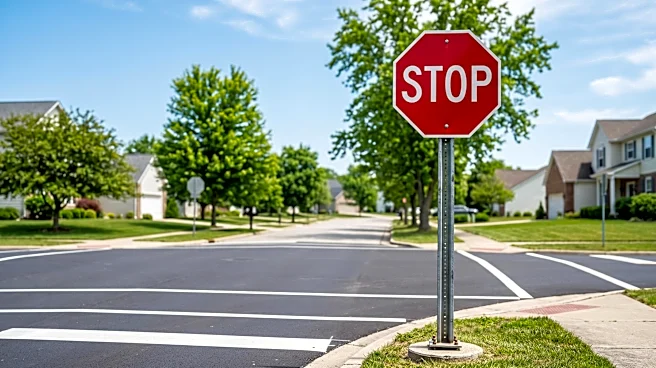
The Norman City Council has adopted a new bicycle ordinance, effective November 12, which permits cyclists to proceed through stop signs and red lights under specific conditions. This ordinance, often referred to as the 'Idaho Stop' or 'Idaho Rule,' aligns
Norman's municipal code with existing Oklahoma state law (Title 47, Section 11-202.1). Under the new rule, bicyclists approaching a stop sign must slow down and yield to pedestrians and other traffic; if the intersection is clear of immediate hazards, they may proceed without coming to a complete stop. At steady red lights, cyclists are required to come to a complete stop before cautiously proceeding through the intersection when it is safe. City officials emphasize that this ordinance does not grant unrestricted permission to cyclists to disregard traffic signals but rather allows for cautious movement when the intersection is clear and safe. The Norman Bicycle Advisory Committee unanimously recommended this ordinance in August, and the City Council approved it in October.
Why It's Important?
This new ordinance is significant for several reasons, primarily aimed at enhancing bicycle safety and promoting cycling as a mode of transportation within Norman. By allowing cyclists to maintain momentum at intersections, the rule is intended to reduce the time bicyclists spend in potentially hazardous intersection areas, thereby decreasing their exposure to vehicle traffic. This can make cycling more efficient and potentially encourage more residents to use bicycles for commuting and recreation. For motorists, the ordinance requires increased awareness of cyclists at intersections, as bicycle behavior will now differ from traditional vehicle stops. The alignment with state law also creates a more consistent legal framework for cyclists across Oklahoma, reducing confusion about traffic regulations. The rule reflects a growing trend in urban planning to accommodate and prioritize non-motorized transport, contributing to broader goals of sustainability and public health.
What's Next?
The new bicycle ordinance will officially take effect on November 12. City leaders in Norman are actively advising motorists about these changes to ensure public awareness and smooth implementation. Educational campaigns may be launched to inform both cyclists and drivers about the specifics of the 'Idaho Stop' rule, emphasizing the conditions under which cyclists can proceed and their continued responsibility to yield to pedestrians and other traffic. Law enforcement will likely focus on educating the public during the initial phase of implementation rather than strict enforcement, allowing time for residents to adapt to the new regulations. Over time, the city will likely monitor the impact of the ordinance on traffic flow, cyclist safety, and accident rates to assess its effectiveness and make any necessary adjustments. The success of this ordinance could also influence other municipalities in Oklahoma to adopt similar measures, further standardizing bicycle laws across the state.
Beyond the Headlines
The adoption of the 'Idaho Stop' rule in Norman reflects a broader philosophical shift in urban transportation planning, moving towards a more integrated and multimodal approach. This ordinance acknowledges the unique dynamics of bicycle travel, where maintaining momentum can be safer and more efficient than coming to a complete stop at every intersection, especially when no cross-traffic or pedestrians are present. It also highlights a growing recognition of cyclists as legitimate road users with specific needs that differ from those of motor vehicles. Ethically, the rule aims to balance the safety of vulnerable road users with the flow of traffic, promoting a more equitable use of public roadways. Legally, it harmonizes local regulations with state law, reducing potential conflicts and confusion. Culturally, such ordinances can foster a more bike-friendly environment, encouraging active transportation and contributing to a healthier, more sustainable community by reducing reliance on automobiles and promoting physical activity.