






What's Happening?
A dangerous heat wave is currently affecting the southern United States, with a double-barreled heat dome causing triple-digit temperatures, high humidity, and minimal overnight relief from Texas to Florida and the Carolinas. This persistent weather pattern
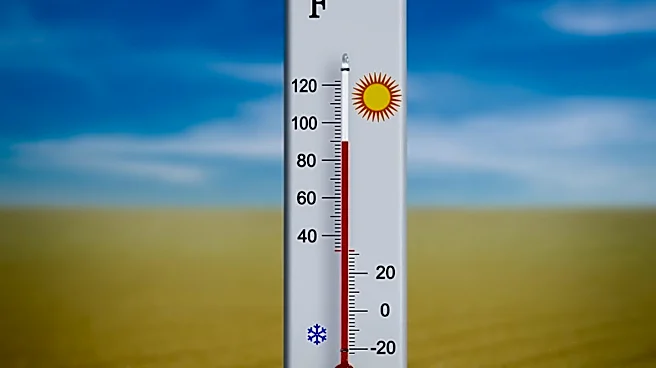
is expected to continue through much of next week, if not longer. Temperatures are consistently in the mid-90s across almost the entire South, with many areas, particularly away from the Gulf Coast, experiencing highs in the upper 90s or even exceeding 100 degrees Fahrenheit. The combination of heat and extreme mugginess has pushed heat indices above 105, and in some regions like southern Georgia, coastal South Carolina, the Florida Panhandle, and the mid-South around Memphis, they have soared past 110 degrees. The National Weather Service has issued various heat alerts, including heat advisories and extreme heat warnings, indicating the need for precautions against heat exhaustion and heat stroke. Nighttime temperatures offer little respite, with morning lows often remaining in the mid-70s, and in larger metropolitan areas, potentially staying in the low 80s.
Why It's Important?
This prolonged and intense heat wave poses significant public health risks, as heat is identified as the leading weather-related killer in the U.S., responsible for hundreds of fatalities annually. The lack of overnight cooling is particularly dangerous for vulnerable populations, including the elderly, individuals with chronic illnesses, and those without access to air conditioning, especially in urban centers. The strain on power grids due to increased demand for air conditioning could lead to outages, further exacerbating the health crisis. Economically, the heat wave can disrupt outdoor work, reduce agricultural productivity, and impact tourism. Businesses reliant on outdoor activities or those with employees working outside face operational challenges and potential financial losses. The sustained high temperatures also highlight the broader implications of climate change and the increasing frequency of extreme weather events, prompting discussions on infrastructure resilience and public health preparedness.
What's Next?
The heat wave is projected to persist for at least another week, with some slight relief anticipated for Kentucky, Tennessee, and the southern Appalachians by late this weekend. However, the rest of the South is expected to remain under the influence of the heat dome. Authorities and health officials will continue to issue heat alerts and advise residents to take precautions, such as staying hydrated, avoiding strenuous outdoor activities during peak heat, and checking on vulnerable individuals. Emergency services and healthcare facilities should prepare for an increase in heat-related illnesses. Long-term, this event may prompt further investment in climate-resilient infrastructure, public cooling centers, and enhanced early warning systems. Discussions around energy grid modernization and sustainable urban planning to mitigate the urban heat island effect are also likely to gain traction.
Beyond the Headlines
The current heat wave in the South underscores a critical public health and environmental challenge that extends beyond immediate weather conditions. The 'heat dome' phenomenon, exacerbated by global warming, points to a future where such extreme events may become more common and severe. This raises ethical questions about equitable access to cooling resources, particularly for low-income communities and those in older housing without adequate insulation or air conditioning. The long-term implications include potential shifts in population demographics as people seek more temperate climates, and significant economic restructuring in industries heavily reliant on outdoor labor. Furthermore, the event highlights the interconnectedness of climate, health, and social equity, urging policymakers to develop comprehensive strategies that address both immediate crises and long-term adaptation to a changing climate. The psychological toll of prolonged extreme heat on communities also warrants greater attention.