








What's Happening?
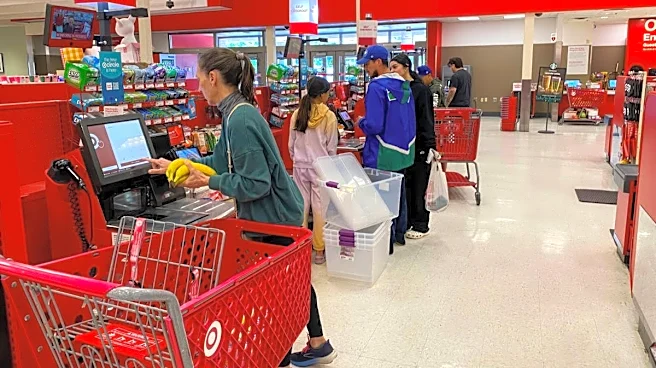
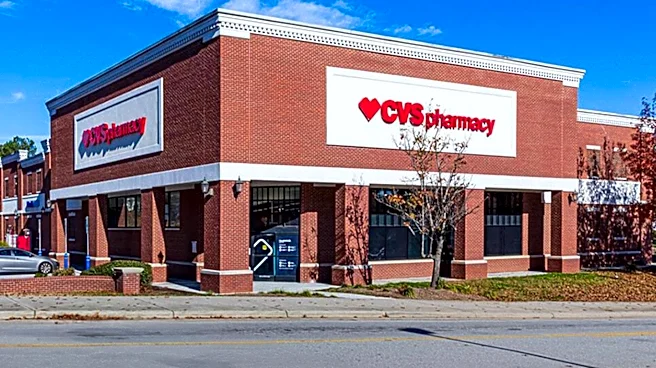
CVS MinuteClinic locations, situated within select CVS Pharmacy and Target stores, are providing a wide array of routine and travel-related immunizations for adults in 2026. These clinics are staffed by nurse practitioners and physician assistants who
are authorized to assess, prescribe, and administer vaccines. The services are designed to be more accessible than traditional primary care offices, offering appointment-based scheduling with robust same-day availability and limited walk-in options. The vaccine portfolio at MinuteClinics aligns with national public health recommendations from the Advisory Committee on Immunization Practices (ACIP). This includes updated 2026-2027 formulations for seasonal influenza, COVID-19 mRNA boosters, and Respiratory Syncytial Virus (RSV) immunizations for eligible older adults and pregnant individuals. Routine adult immunizations such as Tetanus, diphtheria, and pertussis (Tdap), shingles (Shingrix two-dose series), pneumococcal conjugate and polysaccharide vaccines, and human papillomavirus (HPV) vaccines for individuals up to age 45 are also available. Additionally, travel and occupational vaccines like Hepatitis A and B, Meningococcal disease, Typhoid, and MMR (Measles, Mumps, Rubella) are offered for adults lacking documented immunity.
Why It's Important?
The expansion and accessibility of immunization services at CVS MinuteClinics are significant for public health, offering a convenient alternative to traditional healthcare settings. This model helps to overcome barriers to vaccination, such as long wait times for doctor's appointments, thereby increasing overall immunization rates across the U.S. By providing a broad spectrum of vaccines, from seasonal flu shots to specialized travel immunizations, MinuteClinics contribute to a more vaccinated population, which is crucial for preventing outbreaks and reducing the burden of infectious diseases on individuals and the healthcare system. The emphasis on streamlined digital intake and efficient scheduling reflects a modern approach to healthcare delivery, catering to the needs of busy individuals. Furthermore, the acceptance of most major health insurance plans, Medicare, and Medicaid, often with $0 copays for preventive vaccines, makes these essential health services financially accessible to a wider demographic, promoting health equity.
What's Next?
Individuals seeking immunizations can schedule appointments online via the CVS website or mobile application, where they can select their required vaccine, find nearby locations, and choose a convenient date and time. It is recommended to complete digital intake forms beforehand, providing insurance details and health screening information. Upon arrival, patients will undergo a clinical consultation with a nurse practitioner or physician assistant to review health history and confirm eligibility. After vaccine administration, a mandatory 15-minute observation period is required to monitor for immediate reactions. Patients will receive a physical vaccination record, and the data will be transmitted to state immunization registries and, with consent, to their primary care physician. While walk-ins are accepted, online scheduling is strongly advised to guarantee vaccine availability and minimize wait times. CVS MinuteClinics will continue to adapt their vaccine offerings based on national public health recommendations and seasonal epidemiological data.
Beyond the Headlines
The growing role of retail clinics like CVS MinuteClinic in delivering essential healthcare services, particularly immunizations, signifies a broader shift in the U.S. healthcare landscape. This trend moves beyond the traditional physician's office model, decentralizing care and making it more consumer-friendly. The integration of digital platforms for scheduling and record-keeping enhances efficiency and patient engagement. This model also highlights the increasing scope of practice for nurse practitioners and physician assistants, who are becoming frontline providers for preventive care. The accessibility and affordability of these services, especially for preventive care covered by insurance, can lead to improved public health outcomes by reducing vaccine-preventable diseases and potentially alleviating pressure on emergency rooms and primary care physicians. This evolution in healthcare delivery could also influence future policy decisions regarding the role of retail pharmacies in addressing public health needs and health disparities.