




What's Happening?
Norfolk, Virginia, first responders, including police, fire and rescue personnel, and dispatchers, have collaborated with Operation Blessing to assemble 500 care kits. This initiative, undertaken in recognition of National First Responders Day, aims to support
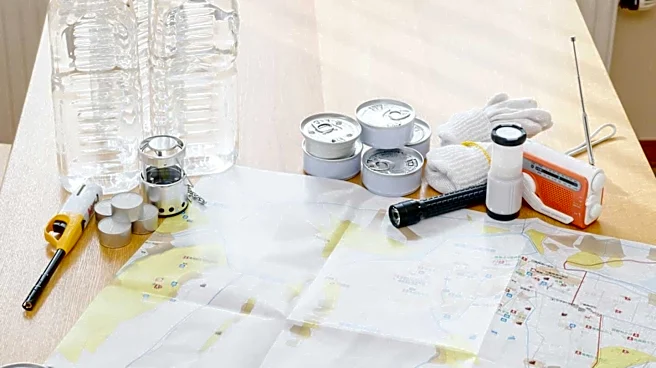
first responders working in disaster zones across the United States. The kits, which mark the first time Operation Blessing has created this specific type of aid package, contain essential items such as multi-tools, electrolytes, power banks, various gadgets, and snacks designed to provide energy and hydration. According to Benjamin Brittain of Operation Blessing, the organization frequently volunteers in communities affected by disasters and works alongside local first responders. Carrie Jones, Public Information Officer with Norfolk Fire and Rescue, emphasized the strong bond among first responders, regardless of their uniform or location, highlighting the importance of supporting colleagues in need. The assembled kits are slated for distribution to disaster zones nationwide in the coming months.
Why It's Important?
This effort by Norfolk first responders and Operation Blessing underscores a critical aspect of national disaster response: the well-being and sustained support of frontline personnel. First responders often face arduous conditions, long hours, and significant personal risk when deployed to disaster-stricken areas. Providing them with practical care kits can directly impact their operational effectiveness and morale, ensuring they have the necessary resources to perform their duties while maintaining their health and energy. This initiative also highlights the interconnectedness of first responder communities across the U.S., demonstrating a proactive approach to mutual aid and support that extends beyond local jurisdictions. Such programs can foster a sense of solidarity and appreciation among these essential workers, potentially reducing burnout and improving retention in demanding professions. Furthermore, it showcases a model of community partnership between local government services and non-profit organizations in addressing broader national needs.
What's Next?
The 500 care kits assembled by Norfolk first responders and Operation Blessing are scheduled for distribution to first responders in disaster zones across the nation in the upcoming months. This ongoing distribution will likely involve logistical coordination to identify areas most in need and ensure timely delivery of the supplies. The success of this initial effort could potentially lead to similar collaborations in the future, possibly expanding the scope or frequency of such care package initiatives. Operation Blessing may continue to refine the contents of these kits based on feedback from recipients and evolving needs in disaster scenarios. Additionally, the visibility of this program could inspire other first responder agencies and communities to adopt similar support models, fostering a broader network of mutual aid for emergency personnel nationwide. The partnership also serves as a public awareness campaign, drawing attention to the challenges faced by first responders and the importance of their support.
Beyond the Headlines
Beyond the immediate provision of supplies, this initiative carries deeper implications for the culture of support within the first responder community and public perception. It reinforces the idea that first responders are not just local heroes but part of a national network, capable of supporting each other across state lines during times of crisis. This mutual aid system, often seen in large-scale disaster deployments, is here extended to personal care and well-being. Ethically, it highlights a commitment to the welfare of those who selflessly serve, acknowledging the physical and psychological toll of their work. Culturally, such acts of solidarity can strengthen bonds within the profession and enhance public trust by demonstrating a proactive, compassionate approach to emergency services. In the long term, consistent programs like this could contribute to improved mental health outcomes and reduced attrition rates among first responders, who often face significant stress and trauma in their roles.