






What's Happening?
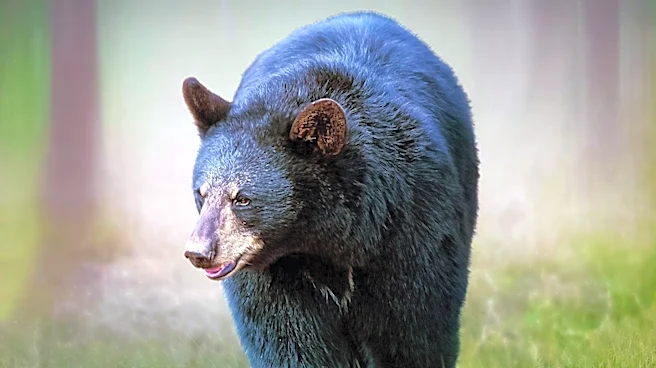
Colorado Parks and Wildlife (CPW) has issued a public warning following the death of a 300-pound black bear that became trapped inside an unlocked vehicle in central Colorado Springs. The bear entered the car and was unable to escape, severely damaging
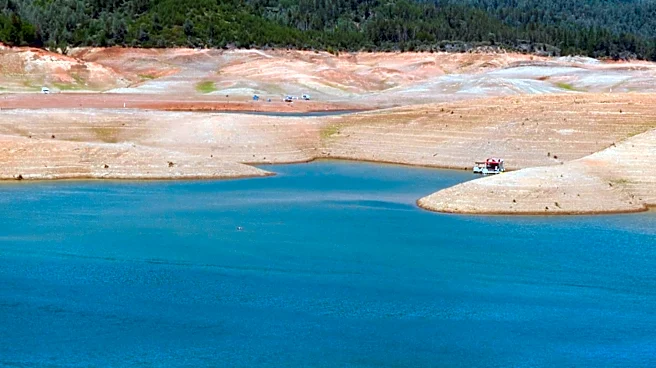
the interior in its attempts. The animal's body was discovered days later, having succumbed to the sweltering heat. This incident underscores the critical importance of residents locking their vehicles, closing windows, and removing any food or trash that could attract wildlife. CPW officials noted that bears are capable of opening unlocked car doors. The agency also highlighted that severe drought conditions have diminished natural food sources, leading to increased bear activity in populated areas as they search for sustenance, resulting in more frequent encounters and incidents.
Why It's Important?
This tragic incident serves as a stark reminder of the escalating human-wildlife conflicts in U.S. communities, particularly in states like Colorado where urban and wildland interfaces are expanding. The death of the bear highlights the direct consequences of human negligence and the need for greater public awareness regarding wildlife safety protocols. For residents, it emphasizes the importance of securing attractants to prevent property damage and potential dangerous encounters. For wildlife management agencies like CPW, it underscores the challenges posed by environmental factors, such as drought, which push wildlife into closer proximity with human populations. This situation can lead to increased costs for wildlife management, potential public safety risks, and a decline in wildlife populations due to human-induced mortality. The incident also brings to light the ethical responsibilities of humans in coexisting with wildlife.
What's Next?
CPW will likely continue and intensify its public awareness campaigns, urging residents to adopt preventative measures such as locking vehicles, securing trash, and removing food attractants. These campaigns may include educational materials, social media outreach, and community meetings, especially in areas with high bear activity. Local authorities might also consider implementing or enforcing stricter ordinances regarding wildlife attractants. Residents in affected areas should anticipate continued bear activity, particularly during periods of drought or natural food scarcity. The incident may also prompt discussions among policymakers about urban planning and development strategies that minimize human-wildlife conflict, potentially leading to new guidelines for construction in wildland-urban interface zones. The focus will remain on proactive measures to protect both human communities and wildlife.
Beyond the Headlines
The death of the bear in Colorado Springs points to a deeper ecological issue: the impact of climate change and habitat loss on wildlife behavior. Severe drought conditions, as mentioned by CPW, are a direct consequence of changing climate patterns, forcing animals to adapt to altered environments and seek resources in human-dominated areas. This incident is not isolated but part of a broader trend of increasing human-wildlife interactions across the U.S., driven by both environmental shifts and urban sprawl. It raises questions about the long-term sustainability of current coexistence strategies and the need for more comprehensive ecological planning. The ethical dimension of human responsibility towards wildlife, particularly when human actions directly lead to animal suffering and death, also comes to the forefront, prompting reflection on conservation efforts and individual accountability in protecting biodiversity.