
What's Happening?
The government of South Sudan is being urged to strengthen its disaster preparedness in anticipation of potential El Niño-related weather events in the coming months. Recent heavy rains and strong winds
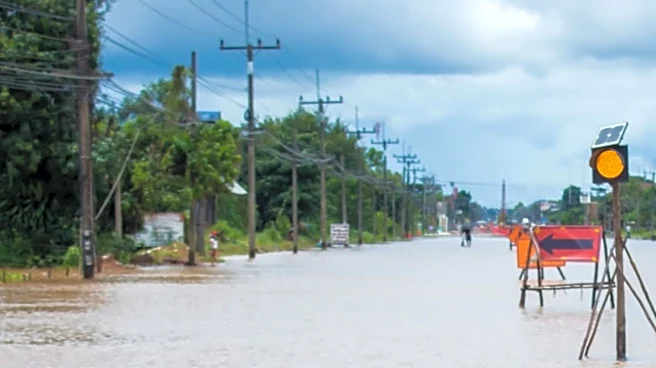
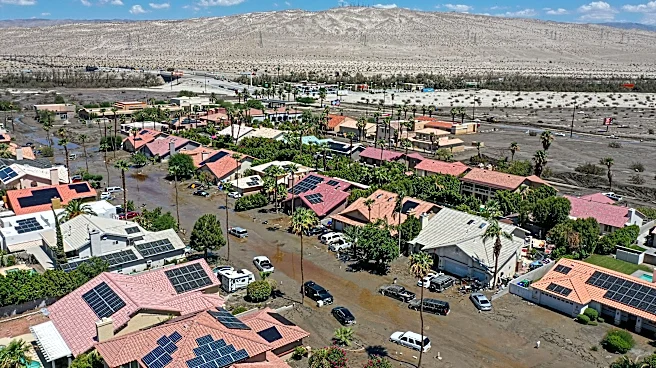
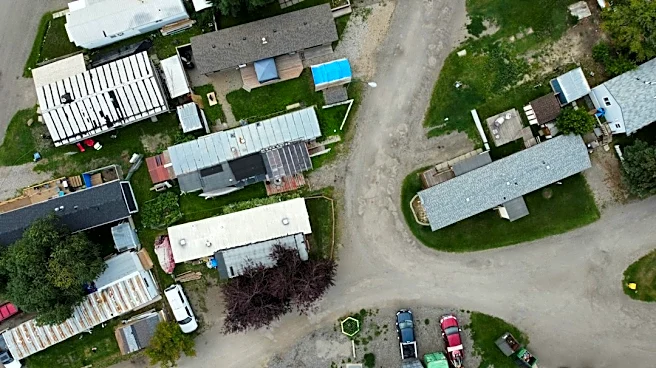
in Juba have highlighted the vulnerability of communities, homes, roads, schools, markets, and public facilities. These weather conditions can cause significant damage, particularly to temporary structures and poorly constructed houses, leaving residents exposed to further hardship. Discussions about El Niño's possible effects in October, November, and December should prompt government institutions, humanitarian organizations, and communities to take early and practical measures to mitigate the impact of potential weather-related disasters. The call emphasizes that preparedness should extend beyond Juba to all parts of South Sudan, which are equally susceptible to flooding, storms, displacement, and infrastructure damage.
Why It's Important?
Intensifying preparedness is crucial for South Sudan to minimize the humanitarian and economic consequences of severe weather events. The country cannot prevent extreme weather, but it can significantly reduce its impact on vulnerable populations and critical infrastructure. Strengthening early-warning systems will ensure that residents receive timely information to protect their families, livestock, and property. Inspecting and repairing vulnerable infrastructure, such as drainage systems, roads, bridges, schools, and health facilities, is vital to prevent widespread damage and disruption. Engaging local authorities, community groups, and civil society in disaster preparedness will enhance local response capabilities, as communities are often the first responders. This proactive approach can save lives, protect livelihoods, and prevent a crisis from overwhelming the response system, thereby safeguarding the nation's stability and development.
What's Next?
The immediate next steps involve the government strengthening early-warning systems and ensuring weather information is disseminated effectively to communities. Authorities are expected to inspect and repair vulnerable infrastructure across Juba and other major towns, focusing on clearing blocked drainage channels and reinforcing at-risk buildings. Public awareness campaigns will be crucial to educate households on securing loose materials and taking necessary precautions during strong winds. Furthermore, government institutions must ensure that emergency response teams are equipped with necessary supplies, transport, and communication systems. Contingency plans need to be reviewed and tested to ensure readiness. The emphasis will be on a national preparedness plan that considers the diverse risks faced by communities throughout South Sudan, not just in the capital.
Beyond the Headlines
The call for intensified preparedness in South Sudan highlights a broader challenge faced by many developing nations: the disproportionate impact of climate change and extreme weather events on vulnerable populations. Beyond the immediate physical damage, such disasters can exacerbate existing socio-economic fragilities, leading to long-term displacement, food insecurity, and health crises. The emphasis on community involvement and strengthening local capacities points to a recognition that effective disaster response requires a bottom-up approach, empowering those most directly affected. This situation also underscores the critical role of international humanitarian organizations in supporting national efforts, particularly in contexts already grappling with other challenges. The proactive measures, if effectively implemented, could serve as a model for resilience-building in similar regions.