





What's Happening?
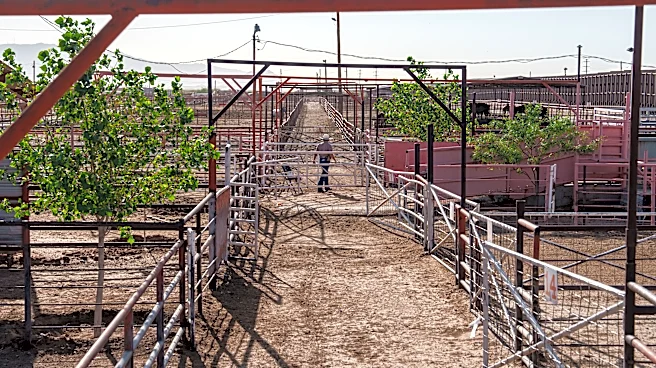
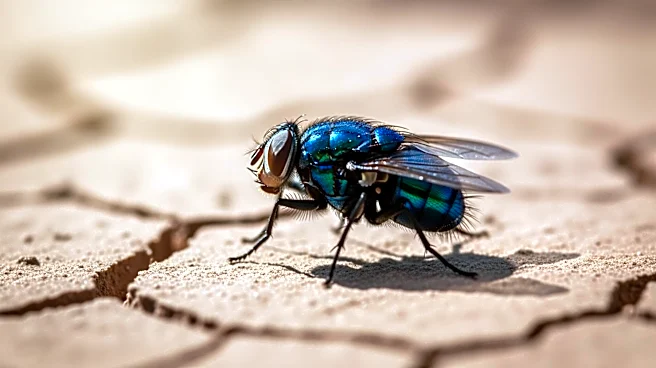
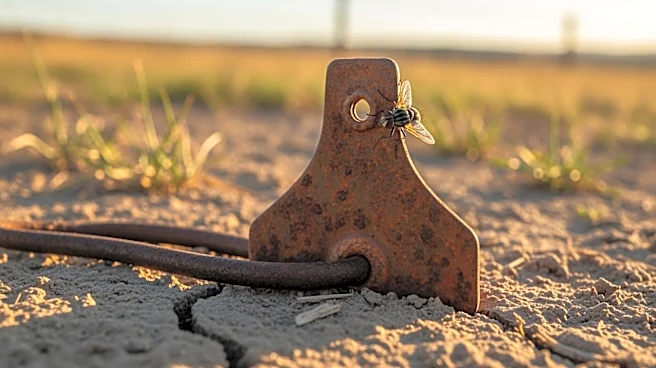
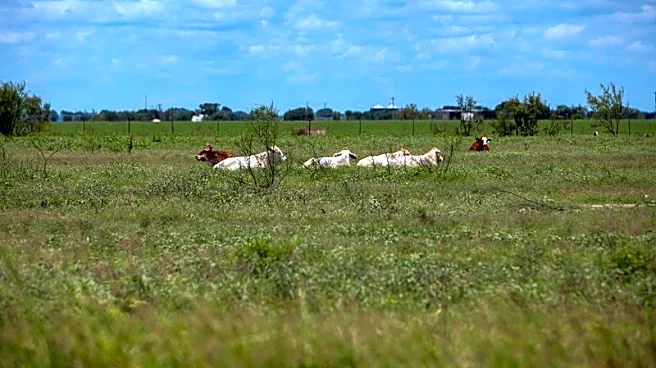
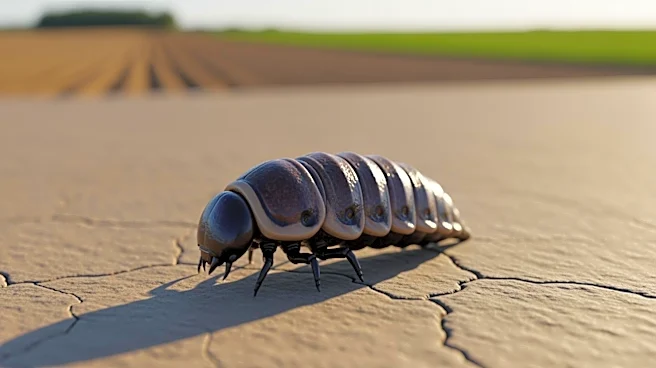
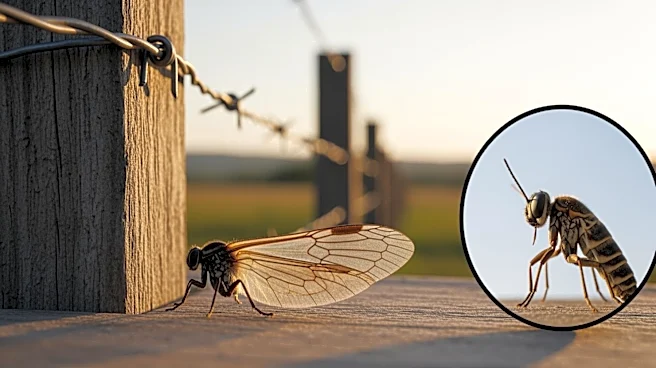
Texas officials have detected the New World screwworm in livestock, marking the first confirmed cases in the state in 60 years. The U.S. Department of Agriculture announced the detection in two calves in South Texas. The screwworm, a parasitic fly, was
once a major pest in the U.S., causing significant economic damage to the livestock industry. Efforts to eradicate the pest in the mid-1900s involved releasing sterile male flies to prevent reproduction. However, the fly has recently migrated north from Panama, leading to its reappearance in Texas. Authorities have established a containment zone and are restricting animal movement to prevent the spread.
Why It's Important?
The reemergence of the screwworm poses a significant threat to the U.S. livestock industry, which could face substantial economic losses if the parasite spreads. The situation highlights the importance of biosecurity measures and the need for ongoing surveillance to protect livestock health. The potential impact extends beyond agriculture, as wildlife could also be affected. The detection of the screwworm underscores the challenges of managing invasive species and the need for coordinated efforts between the U.S. and neighboring countries to prevent further incursions.
What's Next?
U.S. officials are ramping up efforts to contain the screwworm, including releasing sterile flies in affected areas and increasing surveillance. The Agriculture Department is working closely with Mexican authorities to prevent the parasite from gaining a foothold. Livestock producers are advised to remain vigilant and report any suspected cases. The situation will require ongoing monitoring and collaboration to ensure the parasite does not establish itself in the U.S., potentially leading to long-term economic and ecological consequences.