




What's Happening?
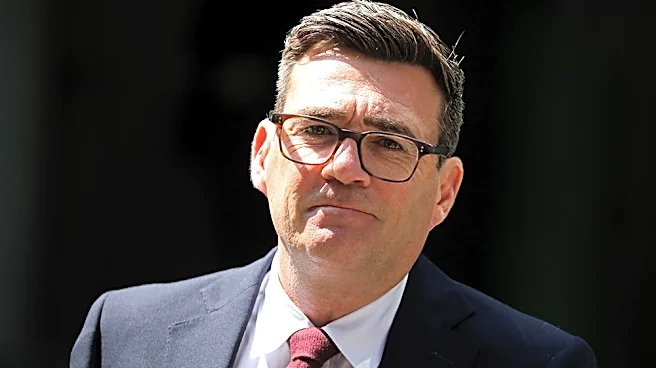
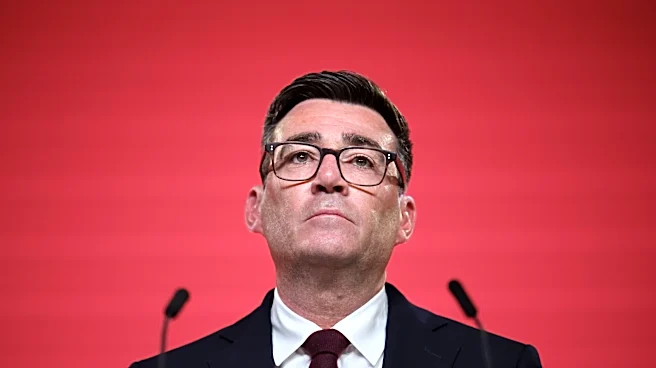
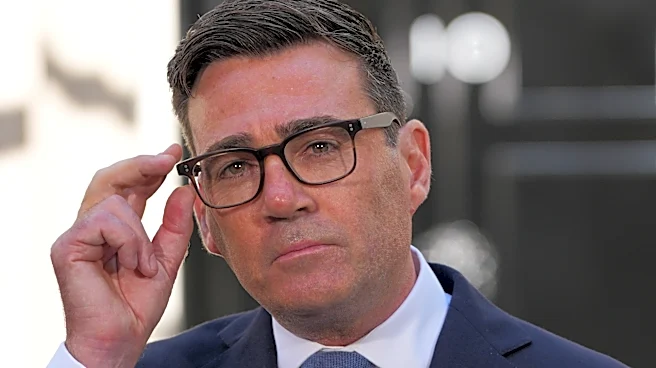
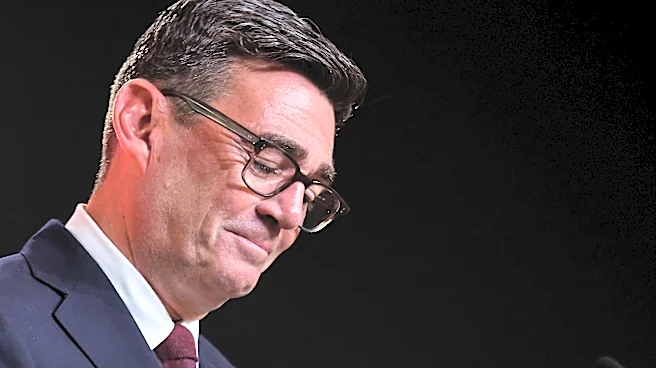
The art world is abuzz with renewed hope for the repatriation of the Parthenon Marbles to Greece, following the appointment of a new U.K. prime minister. Andy Burnham, who has supported the return of the marbles for nearly 30 years, has expressed his
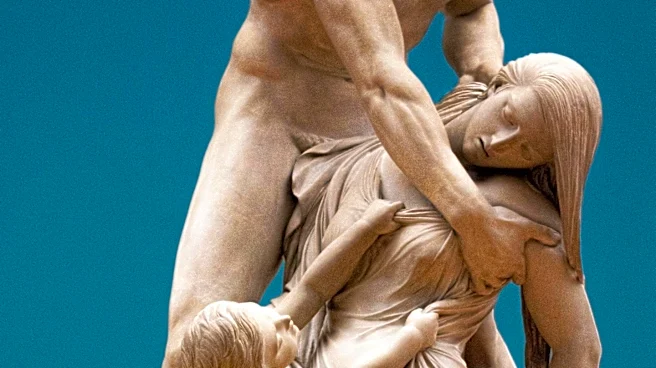
backing for their repatriation. This shift in political leadership could alter the longstanding opposition from past administrations and the British Museum. The marbles, originally part of the Parthenon in Athens, have been a subject of international debate regarding cultural heritage and ownership.
Why It's Important?
The potential return of the Parthenon Marbles to Greece represents a significant shift in cultural diplomacy and international relations. It could set a precedent for the repatriation of other cultural artifacts, influencing global museum practices and policies. The marbles are emblematic of Greece's cultural heritage, and their return would be a symbolic victory for advocates of cultural restitution. This development may also impact the U.K.'s cultural and diplomatic standing, as it navigates the complexities of historical ownership and modern ethical considerations.
What's Next?
If the U.K. government moves forward with repatriation, it could lead to negotiations between Greece and the British Museum regarding the logistics and terms of the return. This process may involve legal and diplomatic discussions, potentially influencing other countries with similar claims. The art world will closely monitor these developments, as they could inspire further movements for cultural restitution globally. The outcome may also affect public opinion and policy regarding the preservation and ownership of cultural heritage.