
What's Happening?
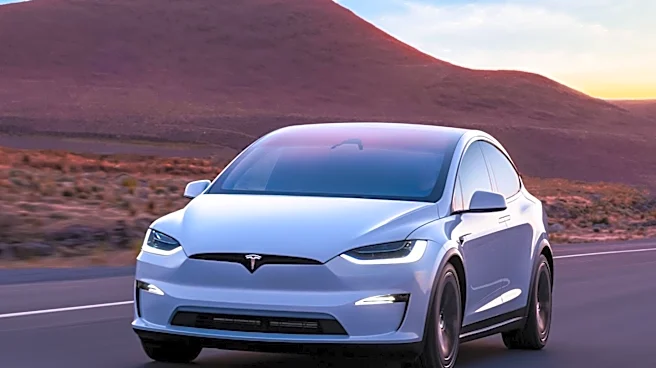
Tesla has been granted a full Autonomous Vehicle Network Company permit by the Nevada Transportation Authority, significantly expanding its robotaxi operations in the state. This decision, made during
a four-hour general session meeting, allows Tesla to deploy up to 5,000 driverless vehicles across Clark County over the next 12 months. This new approval replaces an interim order that had previously restricted Tesla to only 10 robotaxis operating on a limited stretch of the Las Vegas Strip. The earlier restrictions included a 45 mph speed limit, no airport pickups, and a geofence confined to the Strip corridor. The new permit extends Tesla’s operating authority to all of Clark County and provides room to request an even wider geofence across the state. Tesla representatives have indicated that while they have the permit for 5,000 vehicles, they do not intend to deploy the full fleet immediately. Commercial rides are anticipated to commence within 30 days, pending necessary vehicle inspections, insurance filings, and fare approvals, which are standard procedures for all robotaxi operators in Nevada. This development aligns with Tesla's broader push to expand its robotaxi services, including plans to open Cybercab rides to the public in Austin soon.
Why It's Important?
This regulatory approval in Nevada marks a significant milestone for Tesla's autonomous vehicle ambitions and the broader U.S. transportation industry. The ability to deploy up to 5,000 robotaxis in a major metropolitan area like Clark County, which includes Las Vegas, demonstrates a growing acceptance and regulatory framework for large-scale autonomous ride-hailing services. This expansion could set a precedent for other states and cities, potentially accelerating the adoption of self-driving technology nationwide. For consumers, it could mean increased access to autonomous ride services, potentially offering more convenient and cost-effective transportation options. For Tesla, it represents a crucial step towards monetizing its Full Self-Driving (FSD) software and its vision of a robotaxi network, which CEO Elon Musk has highlighted as a key future revenue stream. The increased deployment will also provide valuable real-world data for further refinement of Tesla's FSD technology, potentially enhancing its safety and efficiency. The move also intensifies competition within the autonomous vehicle sector, challenging other players like Amazon-owned Zoox, which previously had a cap of 100 vehicles in Nevada.
What's Next?
Following the Nevada Transportation Authority's approval, Tesla is expected to begin commercial robotaxi operations in Clark County within the next 30 days. This will involve completing vehicle inspections, filing insurance documents, and securing fare approvals. The actual size of Tesla's deployed fleet will likely depend on the rollout speed of FSD v15, which executives consider crucial for scaling unsupervised robotaxi operations across the country. The company's success in Nevada could influence regulatory decisions in other states, potentially paving the way for similar large-scale deployments elsewhere. Tesla is also preparing to launch Cybercab rides to the public in Austin, Texas, further expanding its autonomous service footprint. The performance and public reception of these initial large-scale robotaxi deployments will be closely watched by regulators, competitors, and the public, shaping the future trajectory of autonomous ride-hailing services in the U.S. Investors will also be monitoring the financial impact of this expansion, particularly concerning the balance between elevated spending on projects like Robotaxi and Optimus and the potential for increased revenue generation.
Beyond the Headlines
The widespread deployment of Tesla's robotaxis in Nevada carries deeper implications beyond immediate transportation services. Ethically, it raises questions about the responsibility and liability in the event of accidents involving autonomous vehicles, particularly as the technology moves towards unsupervised operation. Legally, the establishment of clear regulatory frameworks for such large-scale deployments will be critical, potentially influencing future legislation regarding autonomous vehicle testing, operation, and insurance across the U.S. Culturally, the increased presence of driverless cars could gradually shift public perception and trust in autonomous technology, potentially leading to broader societal acceptance of AI-driven systems in everyday life. Economically, the expansion of robotaxi services could disrupt traditional taxi and ride-sharing industries, creating new job categories in maintenance and oversight while potentially displacing human drivers. Furthermore, the data collected from thousands of robotaxis operating in diverse urban environments will be invaluable for advancing artificial intelligence and machine learning, with potential applications far beyond transportation.