




What's Happening?
New research published in the British Journal of Sports Medicine, led by a team from the University of Sydney, indicates that a variety of step counts and intensities are associated with a lower mortality risk. The study analyzed data from over 64,000
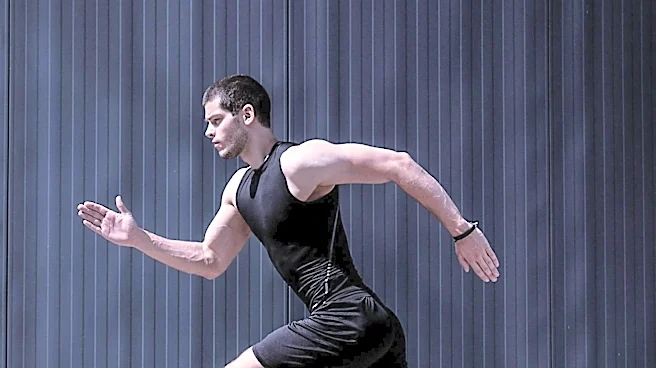
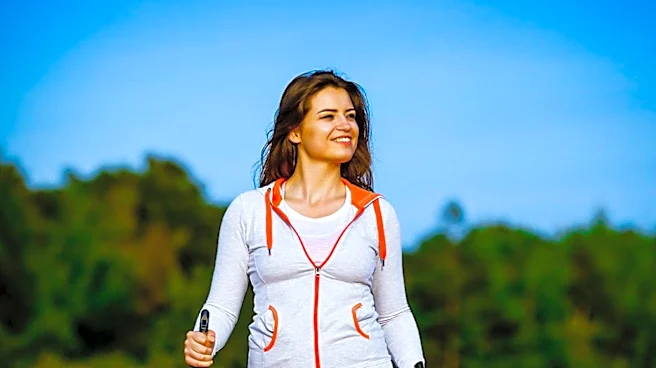
middle-aged individuals, tracking them for an average of eight years. Researchers compared daily steps and stepping intensity against all-cause mortality (ACM) and cardiovascular disease (CVD) mortality risk. A key finding is that individuals do not necessarily need to achieve 10,000 steps daily to reap health benefits. For instance, a similar and substantial reduction in mortality risk was observed in those walking less than 5,000 steps a day but at a brisk pace (around 80 steps per minute), and those walking between 5,000-7,500 steps a day more slowly (around 60 steps per minute). The study suggests that if time is limited for higher step counts, increasing walking intensity can offer comparable health advantages. Conversely, if brisk walking is not feasible, increasing the total number of steps can also be beneficial. The research moves beyond single-metric approaches to consider combinations of different step dimensions.
Why It's Important?
This research is important for public health and clinical guidelines in the U.S. as it provides more flexible and accessible recommendations for physical activity. The traditional 10,000-step goal, which originated from a 1960s Japanese pedometer campaign rather than scientific evidence, can be a barrier for many. By demonstrating that varied step counts and intensities are effective, the study empowers a broader segment of the population, including those with time constraints or physical limitations, to improve their health. This flexibility can lead to increased adherence to physical activity recommendations, potentially reducing the prevalence of cardiovascular diseases, type 2 diabetes, cognitive impairment, and dementia across the U.S. population. The findings could inform new public health campaigns and personalized exercise prescriptions, making health goals more attainable and sustainable for individuals, thereby contributing to a healthier and more productive society.
What's Next?
The findings of this study are expected to inform future step-related public health and clinical guidelines in the U.S. Health organizations and medical professionals may begin to incorporate these more nuanced recommendations, emphasizing both step volume and intensity. This could lead to the development of more personalized physical activity plans that cater to individual capabilities and lifestyles. For instance, individuals unable to achieve high step counts might be advised to focus on brisk walking, while those who cannot walk quickly could aim for higher total steps. The study's observational nature means further interventional research is needed to establish definitive cause-and-effect relationships. However, the large cohort and extended study period provide a strong basis for immediate practical application. Future research may also explore how these findings integrate with other forms of exercise, such as resistance training, to optimize overall health outcomes.
Beyond the Headlines
Beyond the immediate health benefits, this research has broader implications for societal attitudes towards exercise and health equity. By debunking the rigid 10,000-step myth, it challenges the notion that effective exercise must be strenuous or time-consuming, potentially reducing feelings of inadequacy or failure among those who struggle to meet high step targets. This shift could foster a more inclusive approach to physical activity, recognizing that 'every step counts' and that diverse strategies can lead to positive health outcomes. Ethically, it promotes a more realistic and less prescriptive view of health, acknowledging the varied circumstances of individuals. Culturally, it could encourage a greater appreciation for moderate, consistent movement as a cornerstone of well-being, rather than solely focusing on high-intensity workouts. This could lead to a more sustainable and enjoyable engagement with physical activity across different age groups and socioeconomic backgrounds in the U.S.