
What's Happening?
The U.S. Department of Homeland Security has proposed a $7.5 million budget for developing smart glasses equipped with real-time biometric recognition capabilities for immigration enforcement agents. These
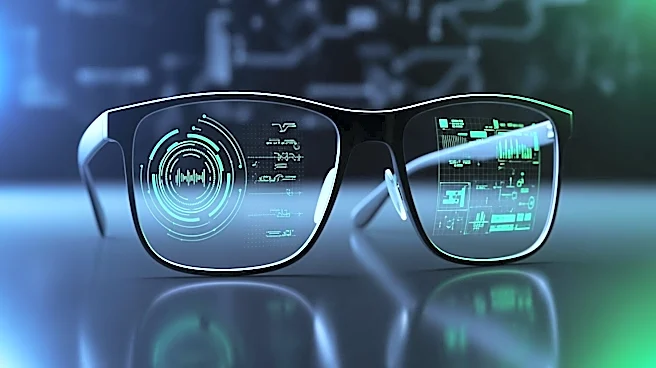
devices, which resemble regular eyewear, are designed to scan faces and identify individuals without legal authorization in the country. The proposal has raised significant privacy concerns, as civil liberties groups warn about the potential for abuse and the erosion of anonymity in public spaces. The technology's ability to capture and analyze data discreetly has sparked debates about the balance between security and privacy.
Why It's Important?
The deployment of smart glasses for biometric surveillance by immigration agents highlights the growing tension between technological advancements and privacy rights. While the technology could enhance border security and enforcement efficiency, it also poses significant risks to individual privacy and civil liberties. The potential for misuse and the lack of transparency in data handling raise ethical and legal questions. This development underscores the need for robust regulatory frameworks to govern the use of surveillance technologies and protect citizens' rights. The broader implications of such technologies extend beyond immigration enforcement, affecting how privacy is perceived and protected in the digital age.
Beyond the Headlines
The introduction of smart glasses for biometric surveillance could lead to a broader acceptance of surveillance technologies in everyday life, potentially normalizing constant monitoring. This shift may alter societal norms around privacy and consent, as individuals become increasingly aware of being watched in public spaces. The technology also raises questions about data security and the potential for data breaches, as sensitive biometric information could be targeted by cybercriminals. As the technology evolves, there will be ongoing debates about the ethical use of surveillance tools and the need for public oversight to ensure accountability.