






What's Happening?
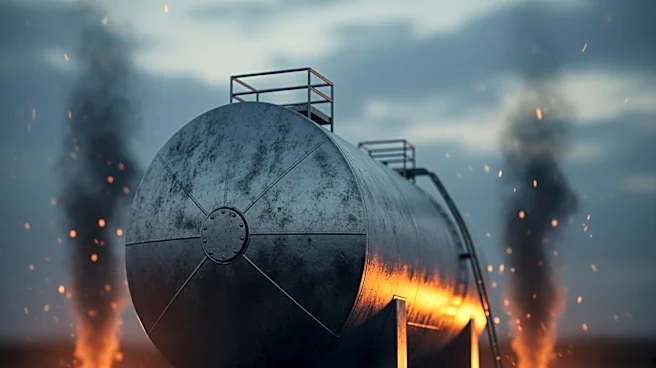
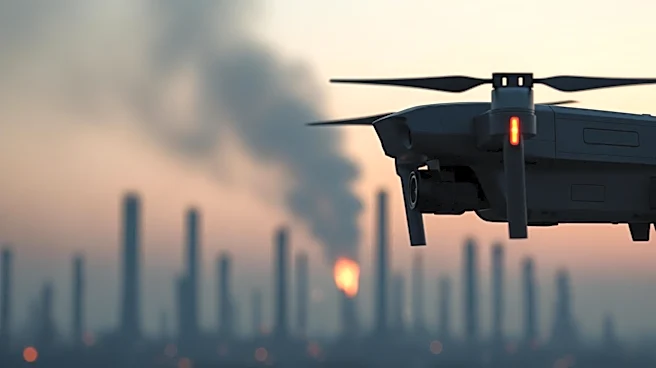
Ukrainian forces have targeted an oil terminal in the Russian Black Sea city of Tuapse, marking the fourth attack on the region's oil infrastructure in just over two weeks. The strike resulted in explosions and a fire at the terminal, with local Russian officials
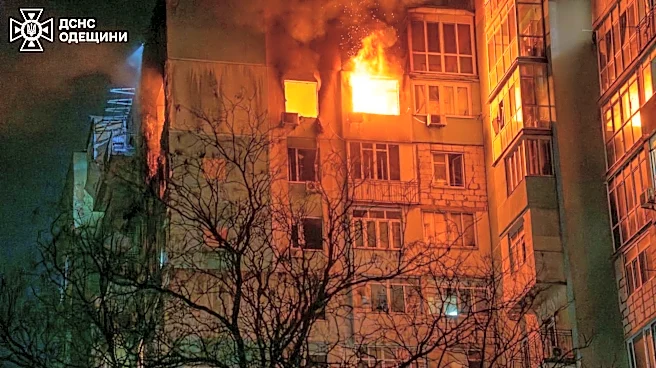
attributing the blaze to a Ukrainian drone attack. No casualties were reported. This attack is part of a series of strikes on Russian oil facilities, with previous incidents occurring on April 16, 20, and 28. Meanwhile, Russian forces continue to launch attacks on Ukrainian cities, including Ternopil and Odesa, causing significant damage to infrastructure and civilian areas.
Why It's Important?
The ongoing strikes on Russian oil infrastructure by Ukrainian forces highlight the escalating tensions and the strategic targeting of critical resources in the conflict. These attacks could disrupt Russia's oil supply chain, impacting its economy and military operations. The situation underscores the broader geopolitical implications of the conflict, as both countries continue to engage in retaliatory actions. The international community is closely monitoring these developments, as they could influence global energy markets and diplomatic relations.
What's Next?
The continued targeting of oil infrastructure suggests that Ukraine may persist in its strategy to weaken Russia's economic and military capabilities. This could lead to further retaliatory measures from Russia, potentially escalating the conflict. The international community may increase diplomatic efforts to mediate and de-escalate tensions, while also considering additional sanctions or support for Ukraine. The situation remains fluid, with potential implications for regional stability and global energy security.
Beyond the Headlines
The conflict raises ethical and humanitarian concerns, particularly regarding the impact on civilian populations and infrastructure. The targeting of critical resources highlights the complexities of modern warfare, where economic and military strategies are intertwined. The situation also underscores the need for comprehensive conflict resolution approaches that address both immediate and long-term challenges, including humanitarian aid and reconstruction efforts.