









What's Happening?
The World Health Organization (WHO) has reported that the majority of new Ebola cases in eastern Congo are emerging from unknown chains of transmission. This revelation comes as the outbreak, which began in May, continues to outpace response efforts.
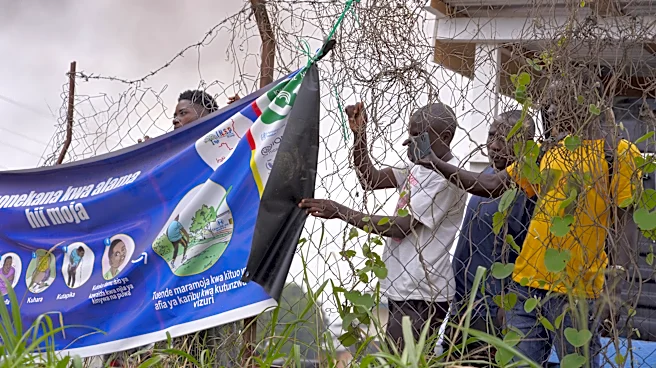
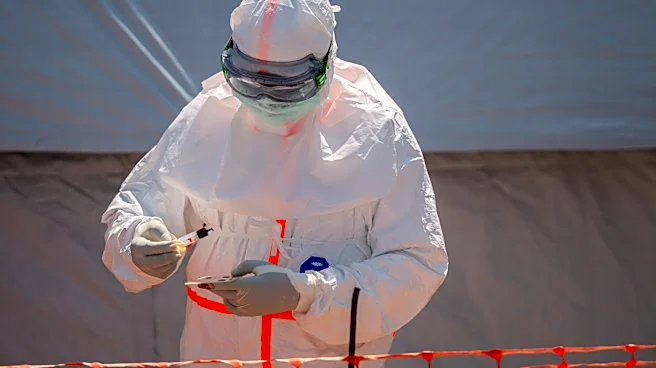
The outbreak involves a rare type of Ebola virus, the Bundibugyo strain, and has resulted in 1,926 infections and 702 deaths across three provinces in Congo. The situation is exacerbated by the fact that many of the newly reported deaths occur in communities without the individuals having reached health facilities for care. WHO's emergencies chief, Chikwe Ihekweazu, highlighted the alarming nature of the outbreak, noting that 80% of new cases are not linked to known contacts. Despite increased treatment and lab capacities in affected areas like Bunia, the response is hindered by funding gaps, attacks on health centers, ongoing conflict, and community mistrust.
Why It's Important?
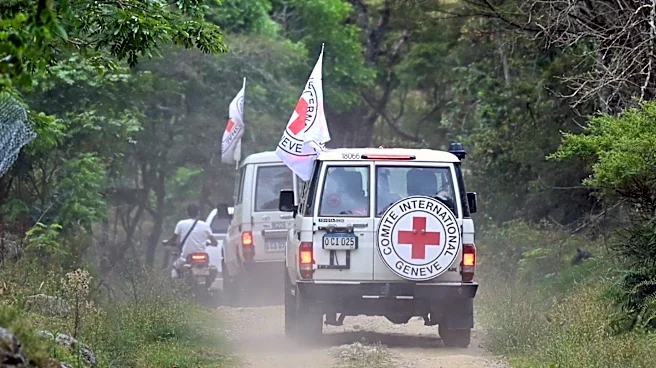
The outbreak's rapid spread and the high percentage of cases from unknown transmission chains pose significant challenges to containment efforts. This situation underscores the need for robust surveillance and community engagement to identify and isolate cases promptly. The outbreak's impact extends beyond public health, affecting regional stability and international relations, as neighboring countries like Uganda have also reported cases. The involvement of international organizations, such as the U.S. Centers for Disease Control and Prevention, highlights the global concern and the necessity for coordinated efforts to prevent further spread. The outbreak also stresses the importance of developing effective treatments and vaccines for rare Ebola strains, which could mitigate future outbreaks.
What's Next?
Efforts to control the outbreak will likely focus on enhancing surveillance, increasing community engagement, and addressing logistical challenges such as funding and security. Clinical trials for potential treatments have begun, offering hope for more effective management of the disease. The international community may need to increase support to address the funding gap and provide resources for health workers on the ground. Additionally, strategies to build trust within local communities will be crucial to improving cooperation and compliance with health measures.