




What's Happening?
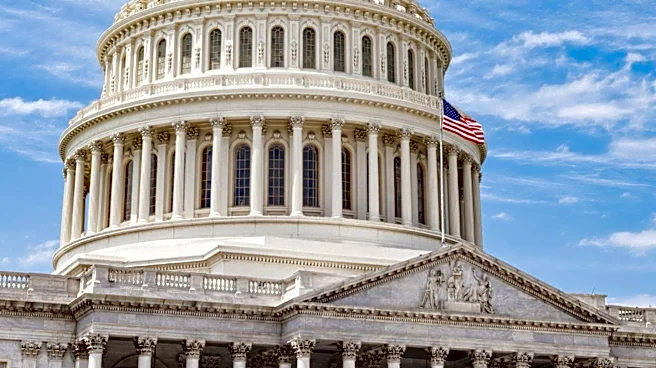
On Veterans Day, the U.S. House of Representatives passed the Take Care of America’s Veterans Act (H.R. 9237), a legislative package comprising nearly 60 bills addressing veterans’ disability compensation, healthcare, survivor benefits, and Department
of Veterans Affairs (VA) operations. The bill, introduced by House Veterans’ Affairs Committee Chairman Mike Bost (R-IL), advanced by voice vote despite earlier disagreements in July concerning proposed changes to disability ratings for sleep apnea and tinnitus. The package includes key provisions such as the Major Richard Star Act, which would allow certain combat-injured veterans to receive both military retirement pay and VA disability compensation concurrently, and the Love Lives On Act, expanding survivor benefits for eligible spouses. It also aims to improve disability claims processing, codify eligibility standards for the Veterans Community Care Program, and address VA workforce and infrastructure needs. A central point of contention remains Section 108, which proposes revising disability rating schedules for sleep apnea and tinnitus, potentially reducing compensation for some veterans to offset the costs of other expanded benefits.
Why It's Important?
This legislative package holds significant implications for millions of U.S. veterans and their families, as well as the operational framework of the Department of Veterans Affairs. The inclusion of the Major Richard Star Act could provide substantial financial relief to combat-injured veterans by allowing concurrent receipt of military retirement pay and VA disability compensation, a long-sought change. Expanding survivor benefits through the Love Lives On Act would offer greater financial security to eligible surviving spouses. However, the proposed reductions in disability compensation for sleep apnea and tinnitus have drawn strong opposition from some veterans service organizations (VSOs), including the Veterans of Foreign Wars (VFW) and Disabled American Veterans (DAV). These groups argue that such changes could reduce compensation by approximately $57 billion over 10 years and affect up to 1.5 million veterans, potentially creating a two-tiered system of benefits. The dispute highlights the ongoing challenge of balancing expanded benefits with fiscal responsibility within veterans' affairs.
What's Next?
Following its passage in the House, the Take Care of America’s Veterans Act (TCAVA) now moves to the Senate for consideration. Senate Veterans’ Affairs Committee Chairman Jerry Moran (R-KS) has previously introduced a companion bill (S. 4744) with similar priorities, indicating potential support for advancing the legislation. However, the prospects of the bill remain uncertain due to the ongoing disagreements surrounding disability compensation and the limited time remaining in the 119th Congress. Any differences between the House and Senate versions of the legislation would need to be reconciled before a final bill could be sent to the President. Separately, the House also passed the standalone Major Richard Star Act, which focuses solely on concurrent receipt for combat-injured veterans, by a vote of 392-18. The Senate could consider either the comprehensive TCAVA or the standalone Major Richard Star Act, with the ultimate outcome depending on how the financing of expanded veterans' benefits is resolved.
Beyond the Headlines
The debate over the Take Care of America’s Veterans Act extends beyond immediate policy changes, touching upon fundamental questions of how the nation honors its commitments to those who have served. The proposed reductions in disability compensation for specific conditions, even if intended to fund other benefits, raise ethical concerns about potentially diminishing support for veterans with service-connected disabilities. This legislative push also underscores the complex interplay between various veterans service organizations, some supporting the comprehensive package for its broader benefits, while others vehemently oppose specific provisions that could negatively impact certain veteran populations. The outcome of this legislative effort could set precedents for future veterans' benefits policy, influencing how the VA is funded, how benefits are structured, and the extent to which the government can adjust compensation for service-connected conditions. It also highlights the ongoing challenge of ensuring equitable and comprehensive care for all veterans while managing the significant financial implications.