

What's Happening?
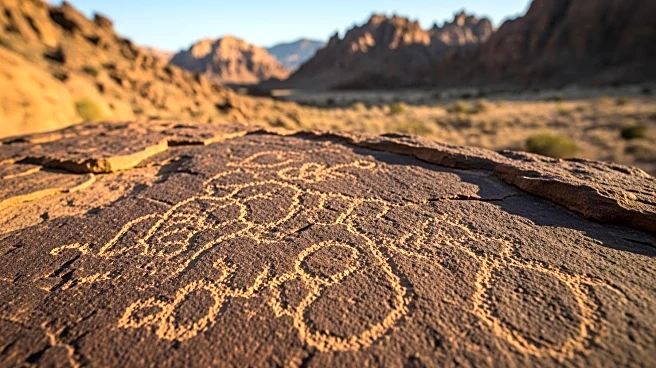
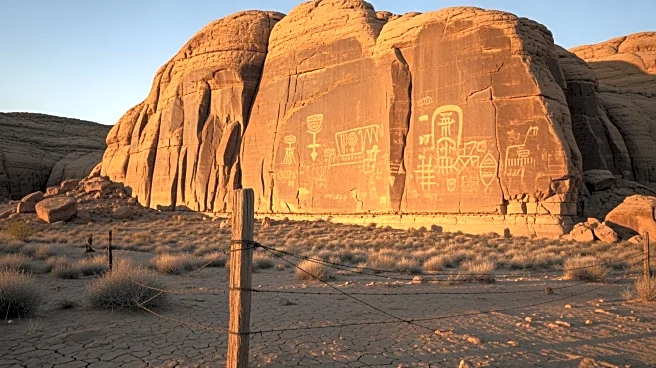
Plans to extend the Mexico-U.S. border wall through Val Verde County, Texas, have raised concerns among archaeologists and local landowners. The construction could potentially damage prehistoric rock art sites in the Lower Pecos region, which are considered
a National Historic Landmark. The area is home to hundreds of rock art murals, some dating back 5,700 years. Carolyn Boyd, an archaeologist, emphasized the cultural significance of these sites. Despite assurances from U.S. Customs and Border Protection about mitigating impacts, residents and researchers remain skeptical about the project's potential effects on these cultural resources.
Why It's Important?
The proposed border wall extension poses a significant threat to cultural heritage sites, highlighting the tension between national security measures and the preservation of historical landmarks. The potential destruction of these ancient artworks could result in a loss of invaluable cultural and historical knowledge. This situation underscores the need for careful consideration and balance between infrastructure development and cultural preservation. The outcome of this project could set a precedent for how similar conflicts are managed in the future.
What's Next?
The timeline for the border wall's extension remains uncertain, with ongoing negotiations over the broader Big Bend segment. Stakeholders, including archaeologists and local communities, are likely to continue advocating for the protection of these sites. The situation may prompt further discussions on the environmental and cultural assessments required for such projects, potentially influencing future policy decisions regarding infrastructure development near sensitive cultural sites.