





What's Happening?
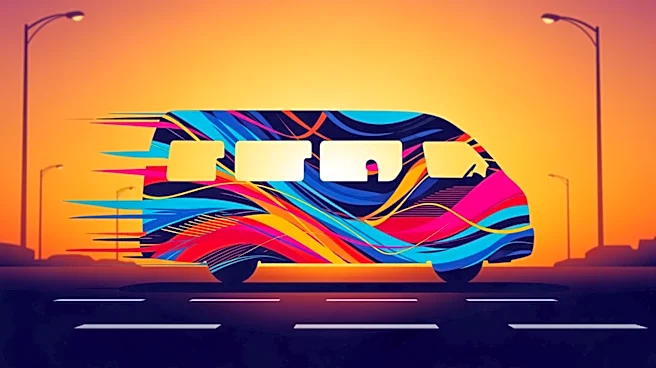
In Nairobi, Kenya, the matatu culture offers a unique and vibrant public transport experience. Matatus are privately owned minibuses that serve as public transport but have evolved into moving canvases and mobile sound systems. The Onyx bus, a popular
matatu, is known for its graffiti, music, and young crew, making it a favorite among commuters. The bus features 16 TV screens and blue LED lights, creating a lively atmosphere. Henry Muindi, the owner, emphasizes that experiencing a matatu is essential to understanding Nairobi's culture. These vehicles are not just a means of commuting but a reflection of the city's pulse and what young Nairobians find cool.
Why It's Important?
The matatu culture in Nairobi is significant as it represents a blend of art, music, and transportation, contributing to the city's unique identity. It showcases the creativity and entrepreneurial spirit of Nairobi's youth, who transform these vehicles into cultural icons. This phenomenon also highlights the challenges and opportunities in urban public transport systems, where private initiatives fill gaps left by public services. The matatu culture attracts tourists and locals alike, offering a glimpse into the dynamic and colorful life of Nairobi. It also raises questions about regulation, safety, and the sustainability of such transport models in rapidly growing urban areas.
Beyond the Headlines
Beyond its immediate impact, the matatu culture in Nairobi raises broader questions about urban mobility and cultural expression. It challenges traditional notions of public transport by integrating entertainment and art, potentially influencing similar trends in other cities. The matatu phenomenon also underscores the importance of supporting creative industries and informal economies, which play a crucial role in urban development. As cities worldwide grapple with transportation challenges, Nairobi's matatus offer a unique case study in balancing regulation with cultural innovation.