




What's Happening?
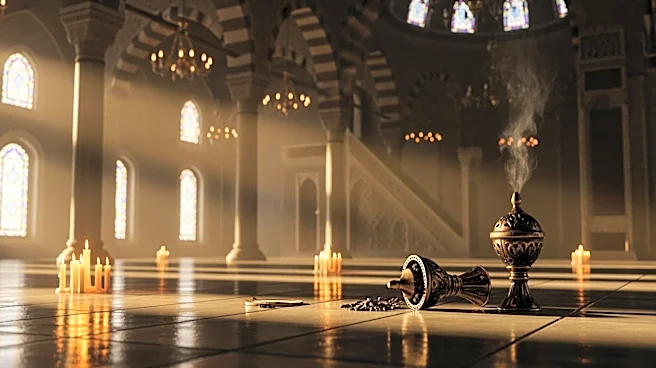
Iran has executed two men, Mehrdad Mohammadinia and Ashkan Maleki, accused of burning a mosque during January protests, according to the Mizan News Agency. The executions, carried out without the men being allowed a final family visit or fair trial, have
drawn criticism from human rights organizations. The charges were reportedly based on 'moharebeh' or waging war against God. This development occurs as Iran faces international scrutiny over its human rights practices, particularly concerning the treatment of protestors and political dissidents.
Why It's Important?
The executions highlight the Iranian regime's continued use of capital punishment as a tool for political repression. This action underscores the regime's efforts to suppress dissent and maintain control through fear and intimidation. The lack of fair trial and legal representation for the executed men raises significant human rights concerns, drawing attention from international organizations and governments. The situation reflects broader issues of judicial independence and the rule of law in Iran, with potential implications for international relations and human rights advocacy.
Beyond the Headlines
The executions are part of a larger pattern of political repression in Iran, where the regime uses harsh penalties to deter protest and dissent. This approach raises ethical questions about the use of the death penalty and the treatment of political prisoners. The international community's response to these actions will be crucial in shaping future diplomatic and human rights engagements with Iran. The situation also highlights the challenges faced by Iranian civil society in advocating for reform and justice under a repressive regime.