



What's Happening?
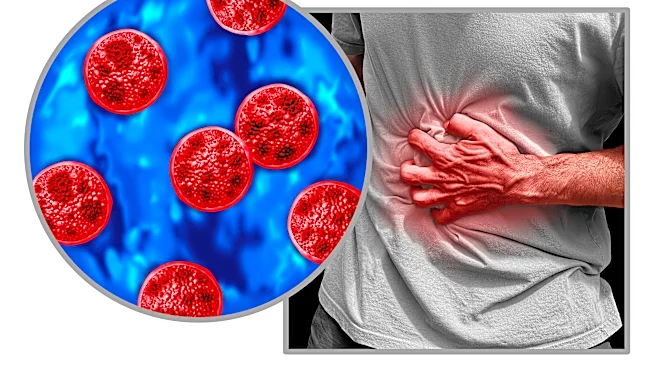
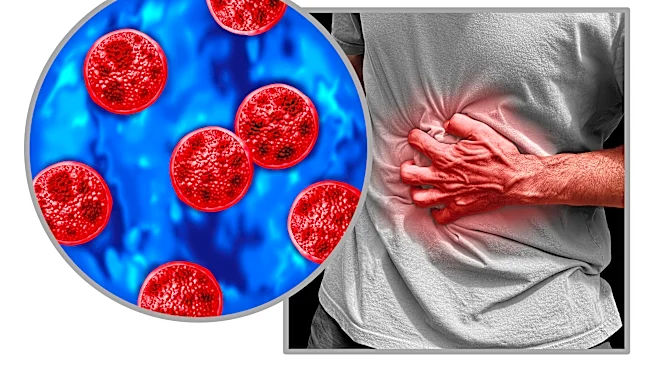
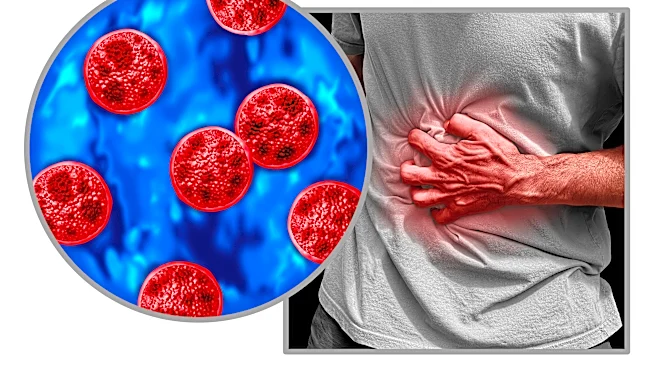
New York City is experiencing a surge in cyclosporiasis cases this summer, a severe form of food poisoning caused by a tiny parasite transmitted through fresh fruits and vegetables. The U.S. Centers for Disease Control and Prevention reports that cyclosporiasis can
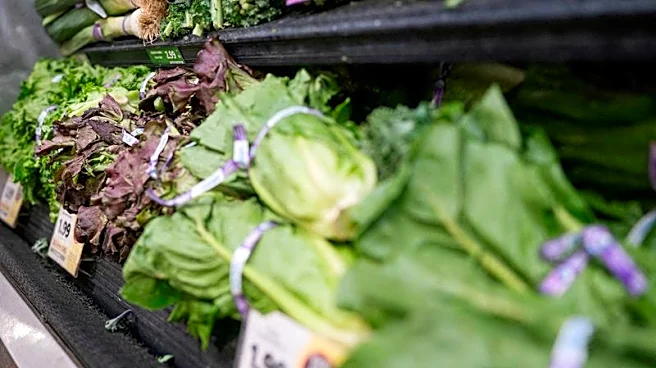
cause weeks of gastrointestinal symptoms, including explosive diarrhea. Over 800 cases have been reported in New York state and more than 500 in the five boroughs since May. While the number of lab-confirmed cases has been trending down since mid-July, health officials in New York City and state have yet to identify the specific foods responsible for the outbreak. This uncertainty has led to varied responses among New Yorkers, with some continuing their usual eating habits, while others are taking precautions such as avoiding leafy greens, cooking vegetables, or opting for local produce. Outbreaks in other states have been linked to iceberg lettuce from Taylor Farms de Mexico, which has since been recalled, though New York was not initially on the recall list.
Why It's Important?
The ongoing cyclosporiasis outbreak highlights significant vulnerabilities in the U.S. food supply chain and public health communication. The inability of New York health officials to pinpoint the source of contamination creates widespread public anxiety and uncertainty, impacting consumer behavior and potentially local businesses. The "flight to safety" observed at farmers' markets, where sales of local produce increased, indicates a shift in consumer trust towards perceived safer, more transparent food sources. This situation underscores the economic impact of foodborne illness outbreaks, affecting agricultural producers, grocery stores, and restaurants. Furthermore, the differing advice from public health experts on how much New Yorkers should alter their diets reflects the challenges in providing clear guidance during an evolving health crisis. The comparison to Michigan's more definitive resolution regarding their outbreak suggests a need for more robust and timely investigative and communication strategies in New York to restore public confidence and mitigate economic disruption.
What's Next?
New York City and state health departments are continuing their investigations to identify the source or sources of this summer’s cyclosporiasis surge. Health workers are contacting sick individuals to gather information about their dietary habits, and if common restaurants or grocery stores are identified, inspections will follow to trace ingredients and suppliers. This information is then shared with the CDC for broader analysis. However, identifying the source is challenging due to the incubation period of up to two weeks for symptoms to appear, making it difficult for individuals to recall what they ate. Unlike Michigan, where health officials declared it safe to resume eating salad greens, New York has not provided a clear timeline for when the increased risk will subside. The focus remains on recommending thorough washing of fruits and vegetables, and cooking produce for those with higher concerns, as officials monitor case counts for further trends.
Beyond the Headlines
This cyclosporiasis outbreak exposes deeper issues concerning food safety regulations and consumer trust in a globalized food system. The fact that the parasite can embed in produce and is not entirely removed by washing raises questions about current agricultural practices and the effectiveness of standard food preparation advice. The public's varied reactions, from heightened paranoia to continued normalcy, reflect a broader societal challenge in assessing and responding to health risks, especially in the post-COVID-19 era where public health alerts are viewed with increased seriousness. The preference for local produce, even if not entirely immune to contamination, suggests a growing desire for transparency and traceability in food sources. This event could catalyze discussions on strengthening food safety protocols, improving rapid response mechanisms for identifying contamination sources, and enhancing public education on foodborne illnesses to better prepare for future outbreaks and maintain consumer confidence.