




What's Happening?
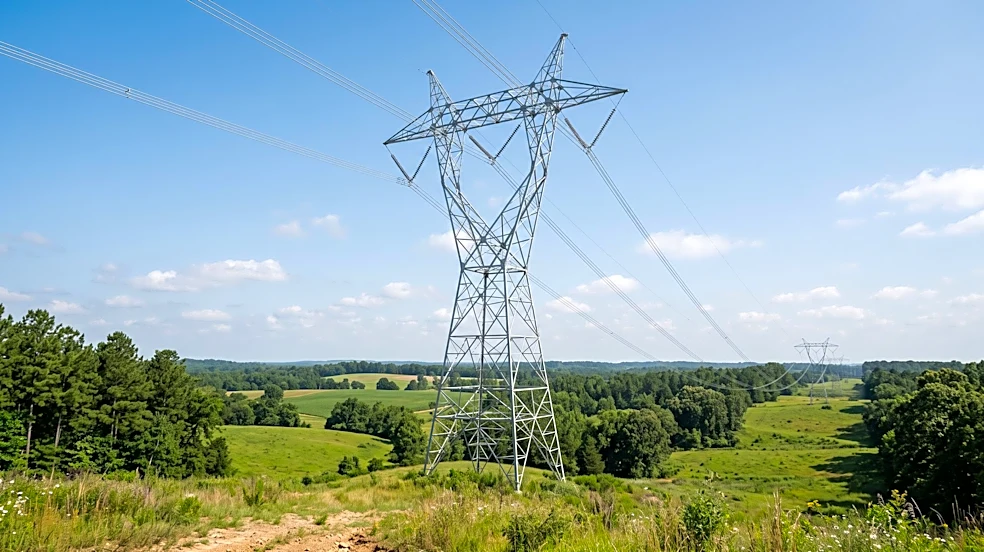
New York State Electric and Gas (NYSEG) is undertaking a significant investment to enhance the reliability of its electric transmission infrastructure throughout New York. The company's transmission line deficiencies (TLD) program aims to repair or replace
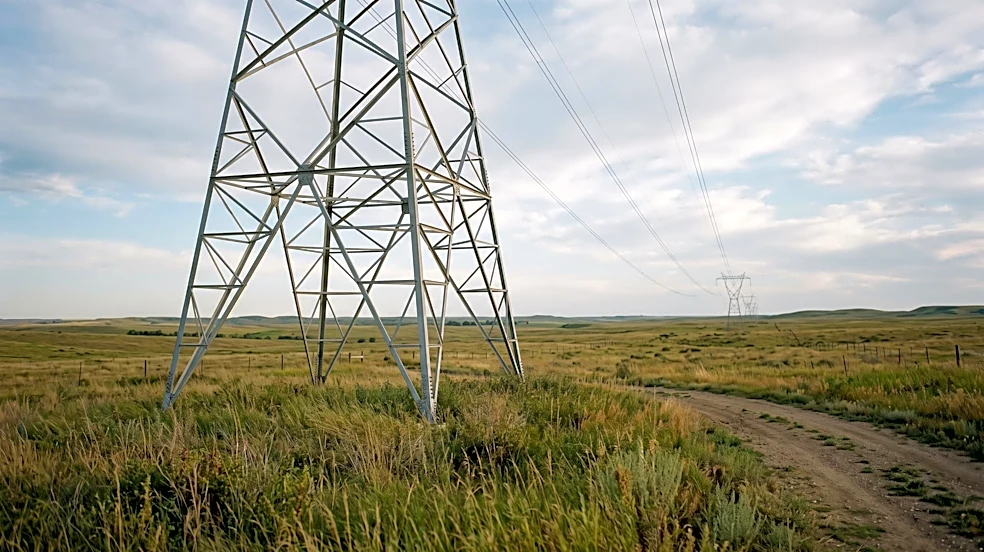
aging infrastructure that has exceeded its operational lifespan. This initiative is designed to reduce outage risks for customers and ensure a robust power grid. According to NYSEG President Marc Geaumont, transmission lines are the 'backbone of electric infrastructure,' and any disruption can have widespread effects. NYSEG has already addressed 200 asset condition issues across 35 transmission lines and plans to upgrade over 230 more by 2031. In 2025 alone, the company tackled more than 500 asset condition issues across 62 transmission lines, with a goal to rectify approximately 370 deficiencies by the end of the current year. The work includes replacing transmission poles, crossarms, hardware, and upgrading existing transmission structures.
Why It's Important?
This substantial investment by NYSEG is crucial for several reasons impacting New York State. Firstly, it directly addresses energy reliability, a critical concern for both residential and commercial consumers. A strengthened transmission network will be more resilient against extreme weather events, which are becoming increasingly common, thereby minimizing power outages and their associated economic disruptions. Secondly, the upgrades are essential to support the growing electricity demand across the state, driven by population growth and increased electrification. By preventing larger, more costly problems in the future, NYSEG's proactive approach could lead to long-term cost savings that benefit ratepayers. Furthermore, a reliable and modern energy infrastructure is a prerequisite for economic development, attracting businesses and supporting job creation in communities throughout New York. The program's focus on replacing aging components also mitigates potential safety hazards associated with deteriorating infrastructure.
What's Next?
NYSEG plans to continue its transmission infrastructure upgrade program, with a target of updating more than 230 transmission lines through 2031. The company aims to address approximately 370 deficiencies by the end of the current year. This ongoing effort will involve continuous assessment of asset conditions and strategic repairs or replacements. Stakeholders, including customers and local communities, can expect to see continued work on transmission lines across the state, with potential temporary disruptions during construction phases. The long-term outlook is for a more stable and reliable power supply, better equipped to handle future energy demands and environmental challenges. NYSEG will likely provide regular updates on the progress of its TLD program, ensuring transparency with the public and regulatory bodies regarding these critical infrastructure improvements.
Beyond the Headlines
Beyond the immediate benefits of improved reliability and reduced outages, NYSEG's transmission infrastructure investment reflects a broader trend in the utility sector towards modernizing aging grids to meet 21st-century demands. This initiative highlights the critical role of infrastructure in supporting economic vitality and public safety. The proactive replacement of components before catastrophic failure underscores a shift from reactive maintenance to preventative strategies, which can have significant long-term environmental and financial advantages. Moreover, a more robust grid can facilitate the integration of renewable energy sources, contributing to broader climate goals and energy independence. The program also touches upon the complex balance between utility operational costs and consumer rates, as these investments are ultimately borne by customers, emphasizing the need for efficient and effective project management to ensure value for money.