






What's Happening?
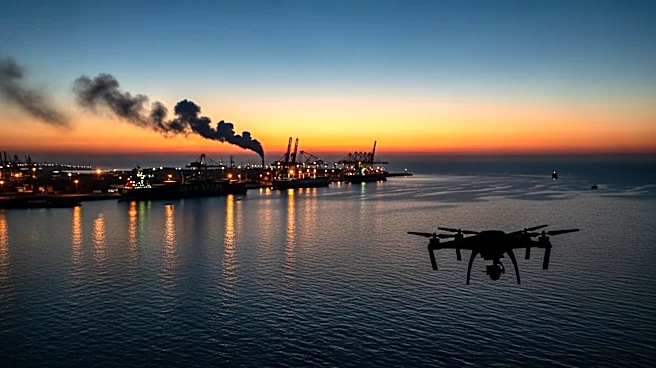
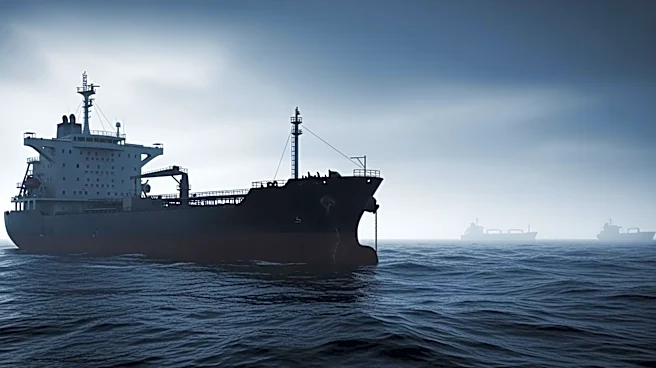
Ukrainian forces have successfully targeted two Russian oil tankers near the port of Novorossiysk using maritime drones. This operation, announced by President Volodymyr Zelensky, is part of Ukraine's broader strategy to expand its long-range strike capabilities.
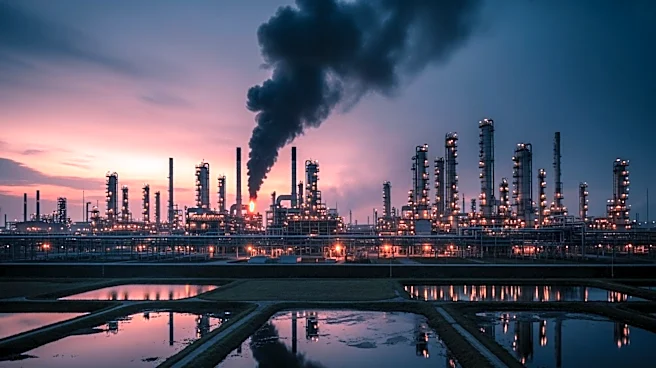
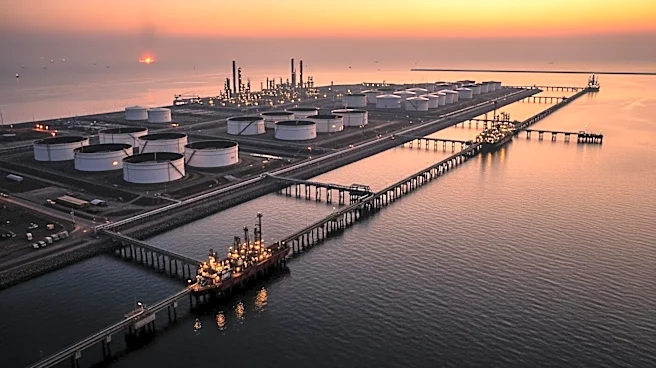
The targeted vessels were part of Russia's shadow fleet, actively used for transporting oil. This marks a significant escalation in Ukraine's efforts to disrupt Russia's energy sector, which is a major source of funding for its war efforts. Recent months have seen Ukrainian drones repeatedly targeting critical Russian export hubs, including the Novorossiysk oil terminal and Baltic Sea ports. These strikes aim to weaken Russia's oil export revenue, thereby impacting its war funding.
Why It's Important?
The operation underscores Ukraine's strategic focus on undermining Russia's economic resources, particularly its oil export revenue, which is crucial for funding its military operations. By targeting these oil tankers, Ukraine aims to disrupt the logistical supply lines that support Russia's war efforts. This move could have broader implications for global energy markets, as disruptions in Russian oil exports may affect global oil prices. Additionally, it highlights Ukraine's increasing military capabilities and its determination to leverage these capabilities to gain a strategic advantage in the ongoing conflict.
What's Next?
Ukraine is likely to continue its strategy of targeting Russian energy infrastructure to weaken its adversary's economic base. This could lead to further military engagements and potentially provoke responses from Russia aimed at protecting its energy assets. The international community may also react, given the potential impact on global energy prices and the broader geopolitical implications. Ukraine's actions may prompt discussions among its allies regarding additional support and cooperation to sustain its military efforts.
Beyond the Headlines
The targeting of Russian oil tankers by Ukraine could have long-term implications for international energy security and geopolitical stability. It raises questions about the vulnerability of global energy supply chains to military conflicts and the potential for such conflicts to escalate into broader regional or global tensions. Additionally, it highlights the ethical and strategic considerations of targeting economic infrastructure in warfare, which could set precedents for future conflicts.