





What's Happening?
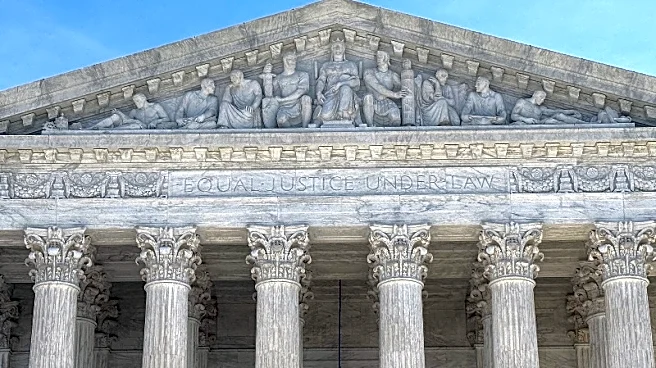
Supreme Court Justice Samuel Alito dissented from a majority opinion in a case involving a lawsuit filed by former Army specialist Winston T. Hencely. Hencely, who was injured in a Taliban suicide bombing at a U.S. base in Afghanistan, sought damages
under South Carolina law against military contractor Fluor Corporation. The Supreme Court, led by Justice Clarence Thomas, vacated the appeals court's judgment that state-law claims against military contractors are preempted by federal law during wartime. Alito, joined by Chief Justice John Roberts and Justice Brett Kavanaugh, argued that state regulation of military base security in active warzones should be preempted by the federal government's exclusive war powers.
Why It's Important?
The dissent by Justice Alito highlights ongoing debates about the balance between state and federal authority in military-related legal matters. The decision could impact how lawsuits against military contractors are handled, potentially affecting the legal landscape for military operations and contractor accountability. This case underscores the complexities of legal jurisdiction in wartime activities and may influence future cases involving military contractors and state law claims.