
What's Happening?
A recent study conducted by researchers at the University of Pittsburgh School of Public Health and School of Medicine has highlighted significant inaccuracies in the portrayal of CPR (cardiopulmonary
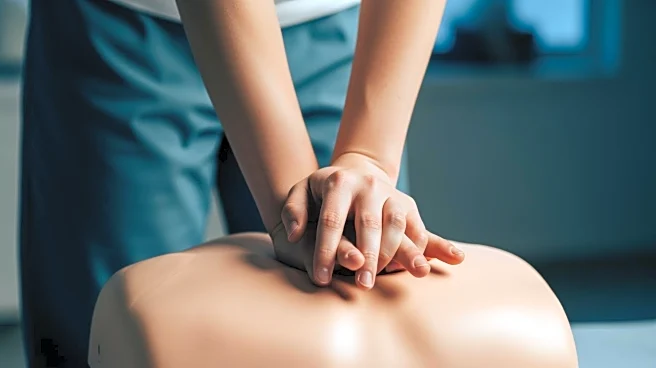
resuscitation) on television. The study, published in the journal Circulation: Population Health and Outcomes, analyzed 169 U.S. television shows and found that fewer than 30% depicted the correct CPR steps. Many shows continue to display outdated practices such as mouth-to-mouth resuscitation and pulse checking, which have been replaced by the hands-only CPR method endorsed by the American Heart Association since 2008. This method involves only two steps: calling 9-1-1 and starting chest compressions. The study also noted discrepancies in the demographics of CPR recipients on TV versus real life, with TV often showing younger individuals and public settings, whereas most real-life cardiac arrests occur at home and involve older individuals.
Why It's Important?
The misrepresentation of CPR on television can lead to dangerous misconceptions among the public, potentially affecting the outcomes of real-life emergencies. Accurate knowledge of CPR is crucial as it can double or triple the chances of survival for cardiac arrest victims. The study underscores the importance of public awareness and education on the correct CPR techniques, which are simpler and more effective than those often depicted on TV. This issue also highlights broader concerns about the influence of media on public health practices and the need for accurate representation of lifesaving techniques. The disparities in CPR administration based on ethnicity, both in real life and on TV, further emphasize the need for equitable access to emergency care knowledge and training.
What's Next?
The findings of this study may prompt healthcare organizations and educators to intensify efforts in public CPR training and awareness campaigns. There could be increased collaboration between medical professionals and media producers to ensure accurate depictions of medical procedures on television. Additionally, the study may lead to policy discussions on how to better integrate CPR training into educational curricula and community programs, aiming to improve public readiness and response in emergency situations.