










What's Happening?
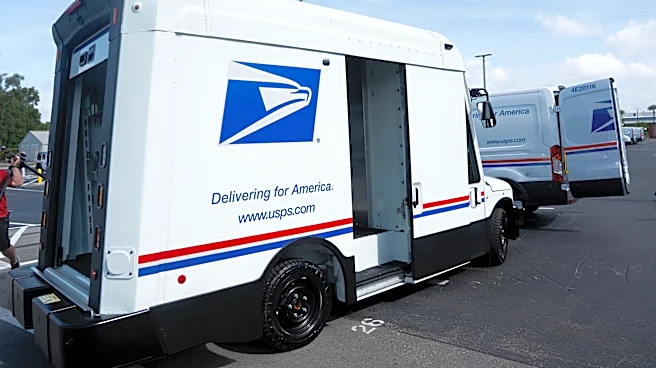
The U.S. Postal Service will not operate on June 19, 2026, in observance of Juneteenth, a federal holiday commemorating the end of slavery in the United States. This means there will be no mail deliveries on that day. Juneteenth marks the day in 1865
when the Emancipation Proclamation was enforced in Texas, freeing the last enslaved people in the U.S. Although the proclamation was issued by President Abraham Lincoln in 1863, it took over two years for it to be implemented in all states. The holiday was officially recognized as a federal holiday in 2021. While the Postal Service will be closed, UPS and FedEx will continue their operations, with both companies confirming that their pickup and delivery services will be available, and their store locations will remain open.
Why It's Important?
The closure of the U.S. Postal Service on Juneteenth highlights the growing recognition and importance of the holiday in the United States. As a federal holiday, Juneteenth's observance by government agencies underscores its significance in American history and culture. The closure affects not only mail delivery but also signals a broader societal acknowledgment of the historical injustices faced by African Americans. This move may influence other sectors to follow suit, potentially leading to increased awareness and educational efforts surrounding the holiday. For businesses, the decision to remain open or closed on Juneteenth can reflect their stance on social issues, impacting public perception and employee satisfaction.
What's Next?
As Juneteenth continues to gain recognition, more companies and institutions may choose to observe the holiday, potentially leading to widespread closures similar to other federal holidays. This could result in increased public and corporate engagement with the holiday's historical significance. Additionally, educational initiatives and community events may expand, fostering a deeper understanding of the holiday's roots and its relevance today. The ongoing dialogue about racial equality and historical acknowledgment in the U.S. may further influence how Juneteenth is celebrated and observed in the future.