


What's Happening?
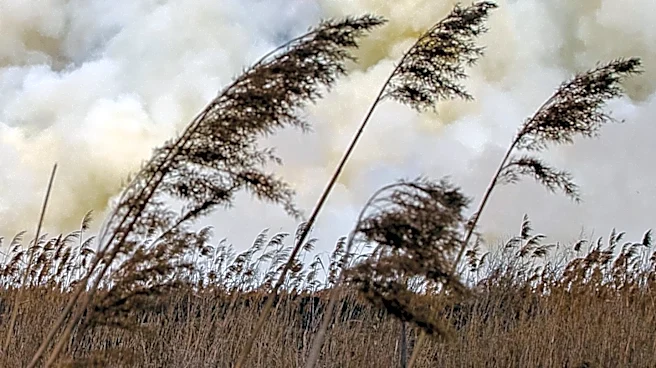
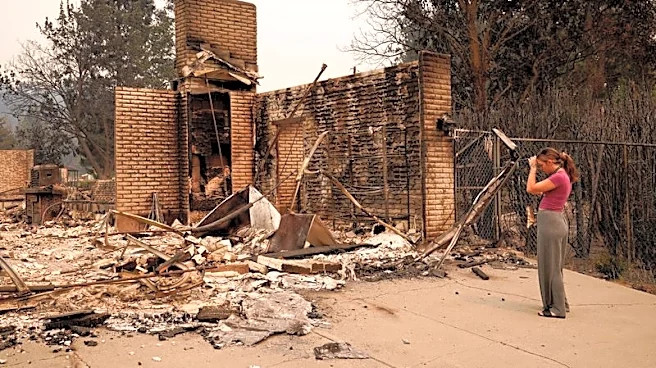
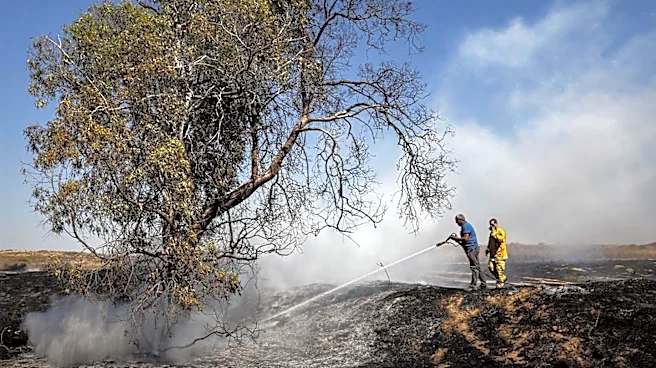
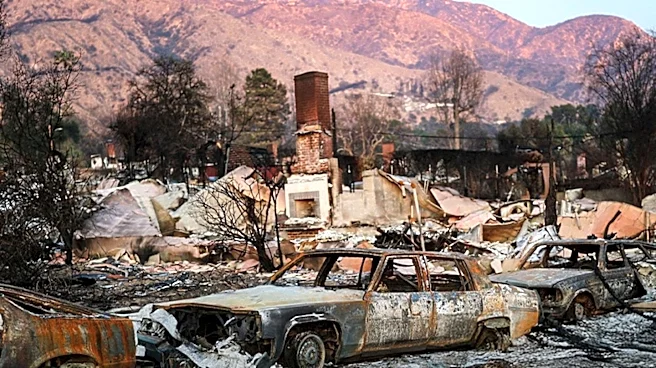
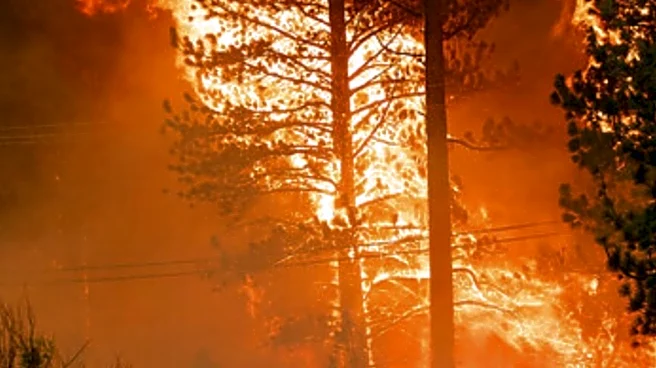
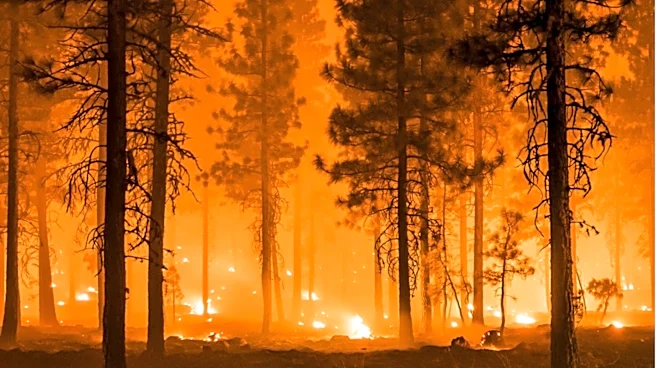
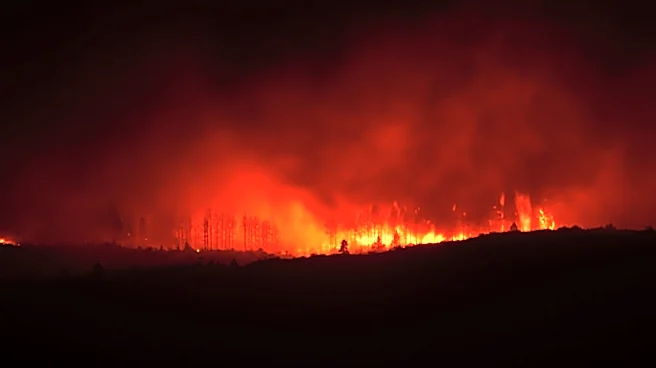
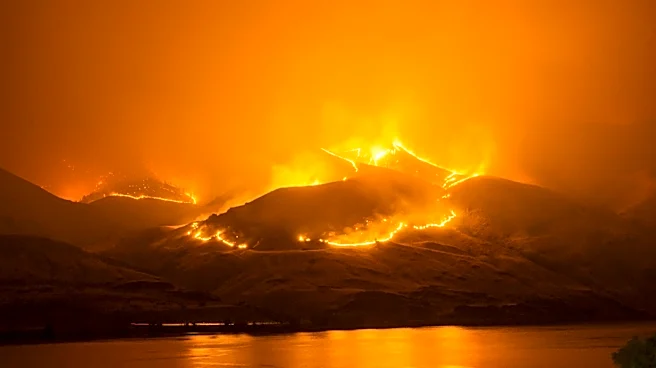
Wildfires in eastern Washington have led to the evacuation of 60,000 people in the Spokane area, with at least 600 structures, including homes and businesses, destroyed. The fires have burned approximately 8.2 square miles and are part of a larger series
of wildfires affecting the Western U.S. The situation is exacerbated by challenging weather conditions, including high winds and dry air, which are complicating firefighting efforts. Authorities have set up shelters for evacuees, and there are no reported injuries or missing persons at this time. The fires have also impacted local infrastructure, with power outages affecting thousands of residents.
Why It's Important?
The wildfires in Spokane highlight the increasing frequency and intensity of natural disasters in the U.S., which have significant implications for public safety, infrastructure, and the environment. The destruction of homes and businesses poses immediate challenges for displaced residents and local economies. Additionally, the strain on firefighting resources underscores the need for effective disaster preparedness and response strategies. The situation also raises concerns about climate change and its role in exacerbating extreme weather events, prompting discussions on policy measures to mitigate future risks.
What's Next?
Efforts to contain the fires will continue, with federal, state, and local agencies coordinating their response. The focus will be on protecting lives and property while assessing the damage and planning for recovery. As the weather remains a critical factor, authorities will monitor conditions closely and adjust their strategies accordingly. The situation may prompt further discussions on resource allocation for disaster management and the implementation of long-term strategies to address the underlying causes of such events.