









What's Happening?
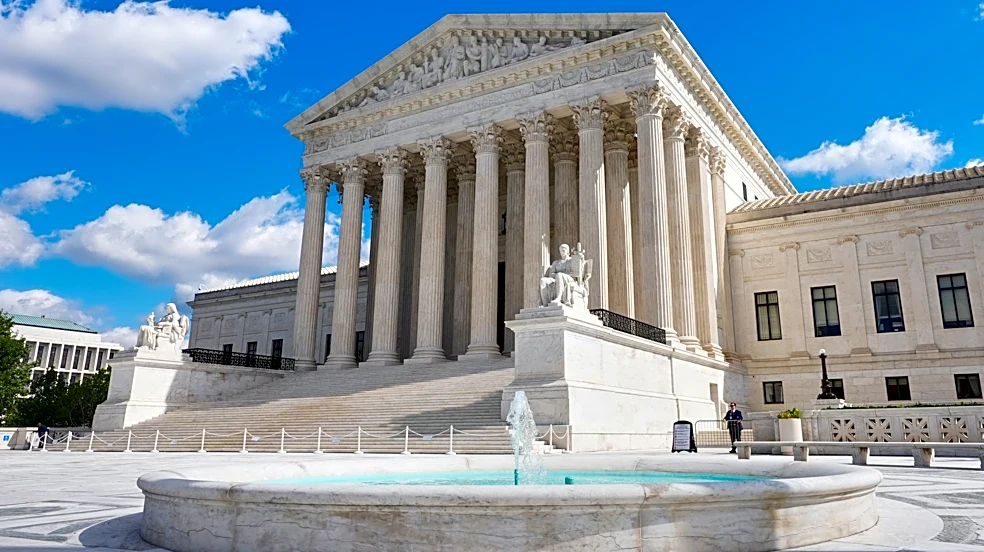
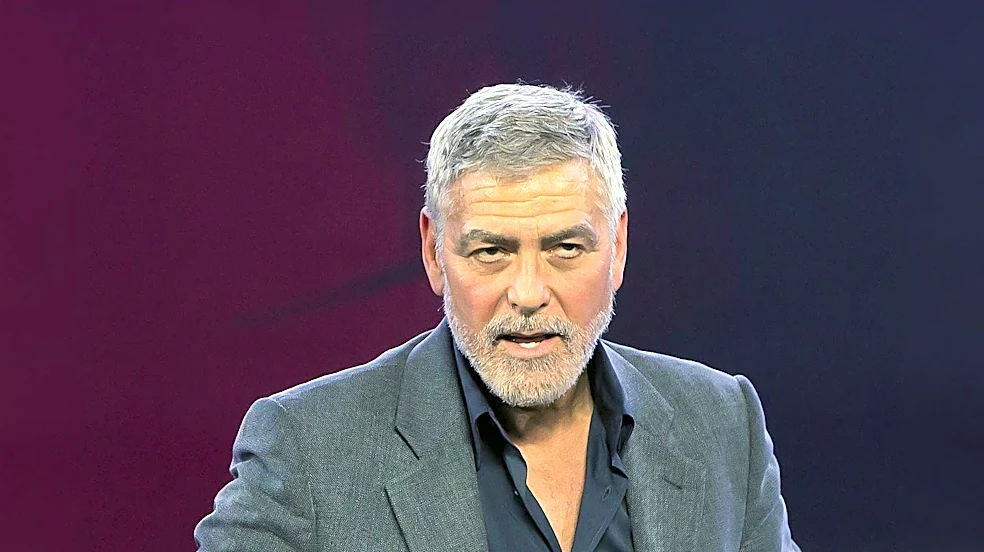
George Clooney, co-founder of the human rights organization The Sentry, is facing accusations of hypocrisy in a defamation lawsuit filed in a Washington D.C. court. A Libyan businessman, Ahmed Gadalla, is suing The Sentry after it published a report accusing
him of money laundering, gun running, and funding Russian mercenaries. Gadalla claims the report's 'entire narrative was false' and that The Sentry failed to verify facts and refused to publish his response. The lawsuit criticizes Clooney for applying a different standard to The Sentry's journalism compared to his past condemnations of British tabloids for 'irresponsible' and 'dangerous' journalism when reporting on his own family. Clooney previously refused to accept an apology from the Daily Mail in 2014 after it published a false story about his family, stating, 'The cover-up is always worse.' The Sentry, founded by Clooney and John Prendergast in 2016, investigates war crimes and has reportedly received a $1 million donation from Clooney's Clooney Foundation for Justice.
Why It's Important?
This lawsuit highlights critical issues concerning journalistic integrity, accountability for human rights organizations, and the public perception of celebrity activism. If The Sentry is found to have published unverified claims, it could undermine the credibility of human rights investigations and the organizations that conduct them. For George Clooney, a prominent figure known for his advocacy and criticism of media standards, the accusation of hypocrisy could damage his public image and the effectiveness of his philanthropic efforts. The case also raises questions about the due diligence expected from organizations that wield significant influence in international affairs and call for sanctions against individuals. The outcome could set a precedent for how human rights groups are held accountable for their reporting, particularly when their investigations lead to severe consequences for those accused.
What's Next?
The legal proceedings in the Washington D.C. court will determine the validity of Ahmed Gadalla's defamation claims against The Sentry. Both The Sentry and George Clooney have been approached for comment regarding the lawsuit. The court will likely examine the evidence supporting The Sentry's report and the organization's fact-checking processes. Depending on the court's findings, there could be significant financial and reputational repercussions for The Sentry and potentially for Clooney himself. This case may also prompt a broader discussion within the human rights and media sectors about the standards of evidence and verification required for public accusations, especially those that can lead to international sanctions and legal action against individuals.
Beyond the Headlines
Beyond the immediate legal battle, this case touches upon the complex interplay between celebrity influence, investigative journalism, and international human rights advocacy. Clooney's past vocal criticism of media practices, particularly concerning his private life, creates a heightened expectation for the organizations he supports to adhere to rigorous journalistic standards. The lawsuit could spark a debate about whether public figures involved in such organizations should be held to a higher standard of scrutiny regarding the accuracy of information disseminated. It also underscores the potential for legal challenges to impact the operational freedom of human rights groups, particularly when their work targets powerful individuals or entities. The ethical implications of a human rights organization potentially failing to verify its claims, especially when those claims can lead to severe penalties, are profound and could influence future practices in the field.