








What's Happening?
The Florida Department of Agriculture and Consumer Services has enacted an emergency rule to prevent the importation of rescue pets from Texas and New Mexico. This measure is in response to the spread of the New World Screwworm, a parasite that poses
a significant threat to livestock. The rule prohibits the importation of rescue and shelter dogs and cats from states with confirmed screwworm detections. The screwworm, a fly larva, infests living animals, causing severe wounds and potential bacterial infections. The emergency rule also mandates that all warm-blooded animals from high-risk areas entering Florida must have a veterinary inspection certificate. Violators of this rule face fines, although enforcement details remain unspecified.
Why It's Important?
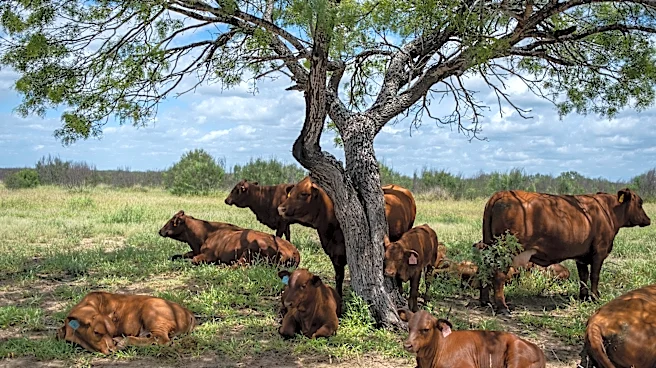
The spread of the New World Screwworm poses a serious threat to Florida's agricultural economy, particularly its cattle industry, which ranks 13th in the nation. The parasite can cause significant harm to livestock, leading to potential economic losses for ranchers and increased insurance claims. The emergency rule aims to protect Florida's livestock and prevent the parasite from establishing itself in the state. The decision reflects the state's proactive stance in safeguarding its agricultural interests and public health. The ban on rescue pets highlights the broader implications of animal movement and disease control in preventing agricultural and economic disruptions.
What's Next?
The Florida Department of Agriculture will likely continue monitoring the situation closely, potentially adjusting the emergency rule as needed. Coordination with other states and federal agencies may be necessary to manage the screwworm threat effectively. The agricultural community and pet rescue organizations may need to adapt to the new regulations, potentially affecting the movement and adoption of rescue animals. Ongoing communication and education efforts will be crucial to ensure compliance and minimize the risk of screwworm spread.