





What's Happening?
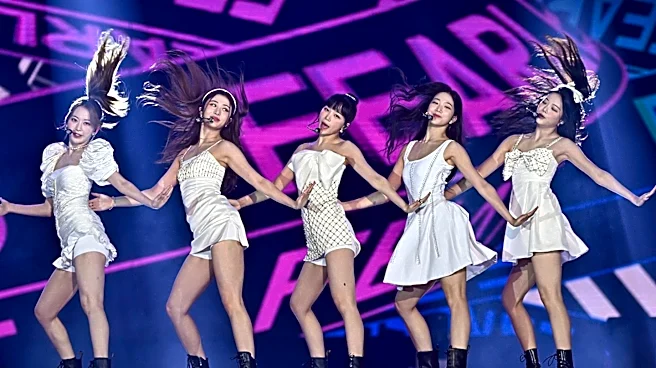
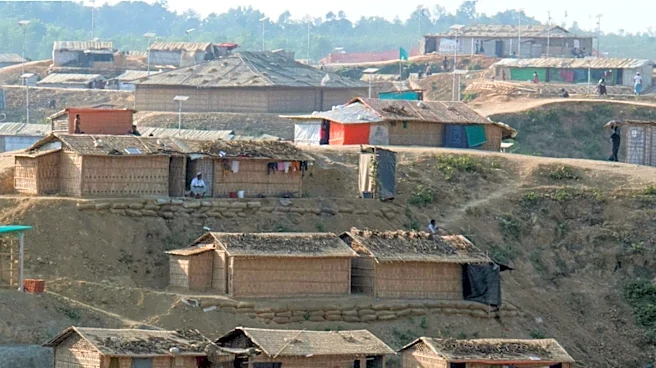
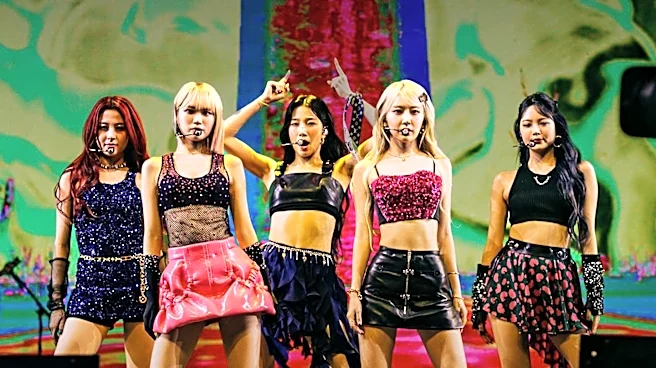
K-pop fandoms are increasingly contributing to disaster relief efforts, both domestically in Korea and internationally, such as in Nepal. This trend, termed 'fandom donations,' involves fans voluntarily joining their favorite celebrities' charitable giving.
For instance, a fan surnamed Park donated to flood recovery in Geoje and Tongyeong, listing the donor's name as 'Rescene,' after the K-pop group Rescene itself donated 50 million won. Similarly, a fan of Stray Kids donated 100 million won to Nepal's flood relief in the name of Lee Know, a member of the group, and another fan, Baek Seung-min, donated approximately 4 million won to flood relief in southern Korea and Nepal under the name of virtual singer Hebi. This phenomenon has become a significant part of Korea's donation culture, moving beyond traditional corporate and organizational giving. The Community Chest of Korea noted in its 'Giving Trends 2026' report that 'fandom-based giving is a prime example of maximizing the joy of giving, as fans come together and share with others in support of someone or something they love.'
Why It's Important?
The rise of 'fandom donations' signifies a powerful and evolving form of social engagement driven by popular culture. This trend demonstrates the significant influence K-pop artists and their fan communities wield, transforming celebrity admiration into tangible philanthropic action. It broadens the base of charitable giving, engaging a younger demographic and leveraging collective enthusiasm for social good. This model could potentially be replicated in other entertainment industries, fostering a culture of giving among fan bases globally. The impact extends beyond financial contributions, as fans often publicize their donations on social media, creating a positive feedback loop that encourages further participation and raises awareness for various causes. This shift also highlights the increasing role of individual citizens and informal groups in addressing societal challenges, complementing the efforts of established organizations.
What's Next?
The continued growth of fandom donations suggests a future where fan communities play an even more prominent role in philanthropic endeavors. This trend may lead to more structured initiatives by K-pop agencies or artists to facilitate fan-led charitable activities, potentially creating official channels or campaigns for collective giving. Other entertainment industries might observe and adapt similar models, recognizing the potential for fan engagement to drive social impact. As natural disasters and other global crises continue, the 'fandom donation' model could become a reliable and significant source of aid, demonstrating the collective power of fan communities. There may also be increased research into the motivations and mechanisms behind such giving, further integrating it into broader philanthropic strategies.
Beyond the Headlines
Beyond the immediate financial impact, fandom donations reveal deeper insights into modern community building and social influence. The act of donating in a celebrity's or fandom's name transforms a personal act of charity into a collective identity statement, reinforcing group solidarity and shared values. This phenomenon blurs the lines between consumer culture and civic engagement, demonstrating how popular interests can be channeled into meaningful social action. It also highlights the ethical dimension of celebrity influence, as artists' actions can directly inspire their followers to contribute to humanitarian causes. This form of giving fosters a sense of purpose and belonging among fans, allowing them to feel part of a larger movement that extends beyond entertainment. The 'positive influence' spread through social media further amplifies this effect, creating a virtuous cycle of generosity and community support.