





What's Happening?
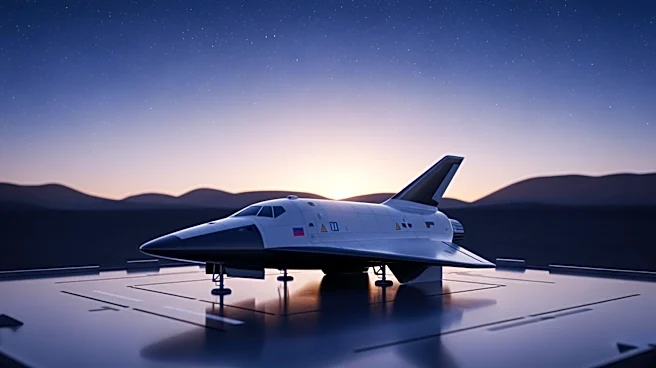
NASA has successfully launched Artemis II, marking the first piloted mission to the moon since the Apollo program ended 53 years ago. The mission involves a nine-and-a-half-day journey around the moon and back, with a crew of astronauts onboard. This
launch is a significant milestone in NASA's Artemis program, which aims to establish a sustainable human presence on the moon and eventually pave the way for future missions to Mars. The mission is part of a broader effort to advance lunar exploration and scientific research.
Why It's Important?
The Artemis II mission represents a pivotal moment in space exploration, as it revives human lunar missions after more than five decades. It signifies a renewed commitment to space exploration and the potential for scientific discoveries that could benefit humanity. The mission also has implications for international collaboration in space, as NASA partners with other countries and private companies to achieve its goals. The success of Artemis II could inspire further investment in space technology and exploration, driving innovation and economic growth.
What's Next?
Following the successful completion of Artemis II, NASA plans to continue with subsequent missions under the Artemis program. These missions aim to establish a sustainable human presence on the moon by the end of the decade. Future missions will focus on building infrastructure on the lunar surface, conducting scientific research, and preparing for human exploration of Mars. The program's progress will be closely watched by the global space community, as it could shape the future of space exploration and international cooperation.