



What's Happening?
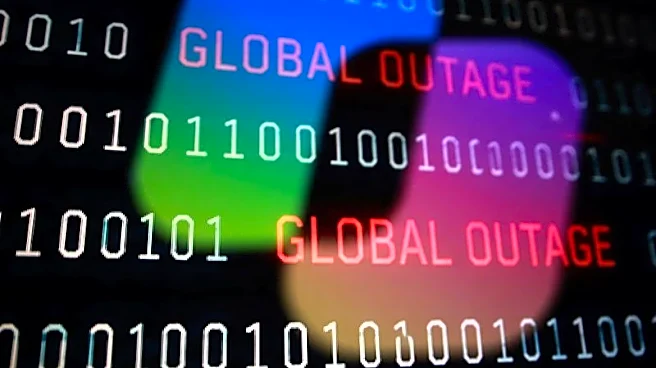
The United States has recently experienced a series of significant technology outages affecting major organizations, including Apple and the National Security Agency (NSA). Apple users reported issues with services like the App Store and Apple Pay due
to an internal update gone awry, though services were restored by Tuesday evening. Concurrently, the NSA's internal communications network experienced a breakdown during scheduled routine maintenance, with the agency stating that mission-critical capabilities remained unaffected. These incidents follow other notable disruptions, such as a Microsoft email system crash, an FAA ground stop for all flights, and computer issues at several large banks. Cyber experts consulted by NPR's Greg Myre indicate no evidence of sabotage or direct connection between these incidents. Instead, they attribute the breakdowns to the rapid pace of AI uncovering previously undetected software flaws, leading companies to rush patches and upgrades. Darrell West of the Center for Technology Innovation at the Brookings Institution notes that organizations are in a difficult position, unable to completely overhaul systems due to vital functions, leading to problems during necessary upgrades.
Why It's Important?
The recent surge in tech outages across critical U.S. infrastructure and major corporations highlights a growing vulnerability in the nation's digital systems. The explanation that AI is rapidly identifying software flaws, forcing hurried upgrades, suggests a systemic challenge in maintaining robust and secure digital environments. This situation impacts public trust in technology companies, as noted by Darrell West, who emphasizes that the core premise of these businesses relies on user confidence. Disruptions at entities like the FAA, major banks, and the NSA can have far-reaching consequences, affecting national security, economic stability, and daily life for millions of Americans. The need for continuous upgrades, while essential for security and functionality, introduces inherent risks of downtime and service interruptions, creating a precarious balance for organizations reliant on complex digital networks. The current environment suggests that even the most advanced tech organizations are not immune to these challenges, raising questions about the overall resilience of the U.S. digital landscape.
What's Next?
Experts anticipate more computer disruptions in the near term as organizations continue to implement upgrades and patches to address newly discovered software vulnerabilities. While these disruptions are expected, there is an optimistic outlook that these efforts will ultimately lead to more robust and resilient computer networks within the next one to two years. Companies and government agencies will likely continue their race to identify and fix flaws, a process that, while necessary, carries the risk of further temporary outages. Stakeholders, including technology companies, government regulators, and the public, will be closely monitoring the effectiveness of these upgrades and the frequency of future incidents. The focus will be on whether the current period of instability is a temporary phase leading to enhanced digital infrastructure or if it signals a more persistent challenge in managing complex, AI-influenced software environments. The ongoing evolution of AI and its role in both uncovering and potentially mitigating these flaws will be a critical factor in shaping the future of cybersecurity and system stability.
Beyond the Headlines
The current wave of tech outages points to a deeper, evolving relationship between artificial intelligence and cybersecurity. AI is not only a tool for identifying vulnerabilities but also a factor in the increased complexity of software systems, which can inadvertently introduce new flaws. This creates a continuous cycle where AI-driven development and AI-driven security measures are in a constant state of evolution and reaction. The ethical implications of this rapid technological advancement include the potential for unforeseen systemic risks, where a single software flaw or upgrade error can cascade across interconnected systems, leading to widespread disruption. Legally, these incidents may prompt discussions about liability for outages, regulatory oversight of software development practices, and the standards for digital resilience in critical infrastructure. Culturally, the increasing frequency of such events could erode public trust in technology, leading to greater skepticism about the reliability of digital services and potentially influencing user behavior and adoption of new technologies. This period represents a significant shift in how society interacts with and relies upon increasingly complex and interconnected digital ecosystems.