




What's Happening?
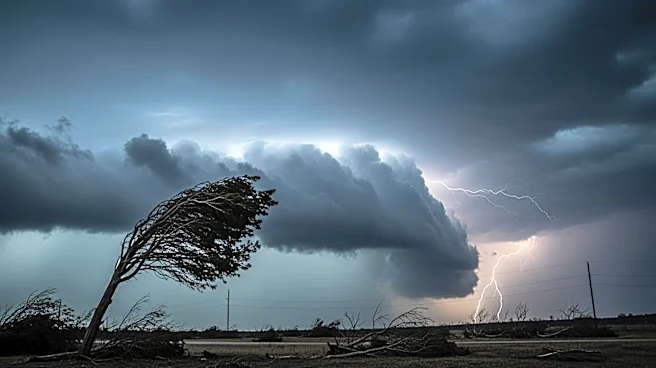
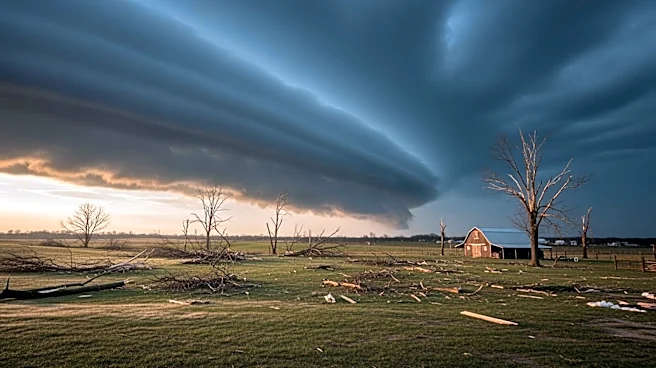
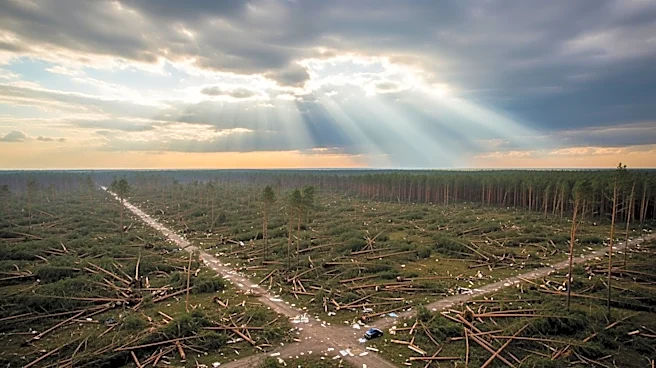
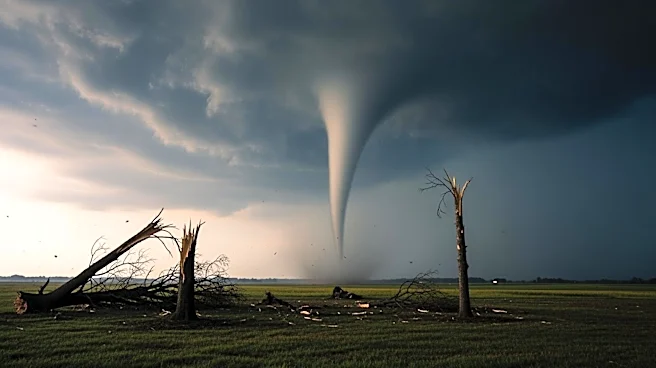
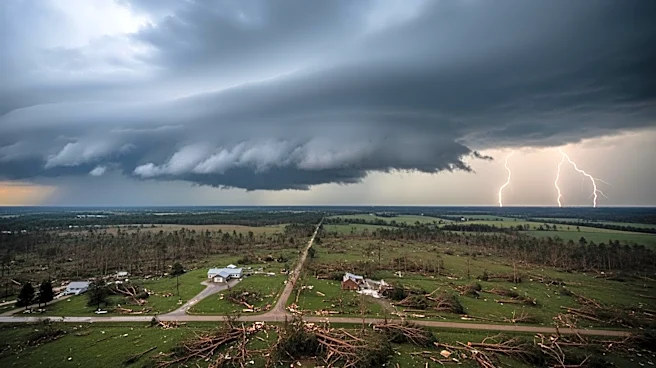
On April 17, Wisconsin experienced a severe weather event with at least 13 tornadoes confirmed by the National Weather Service. These tornadoes affected various regions, including western Wisconsin, Marathon County, and southern parts of the state. The tornadoes caused
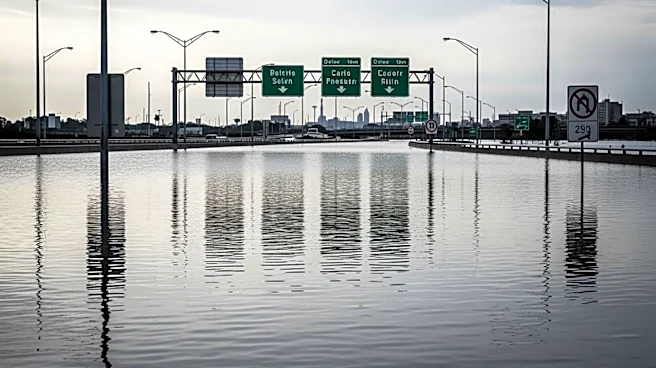
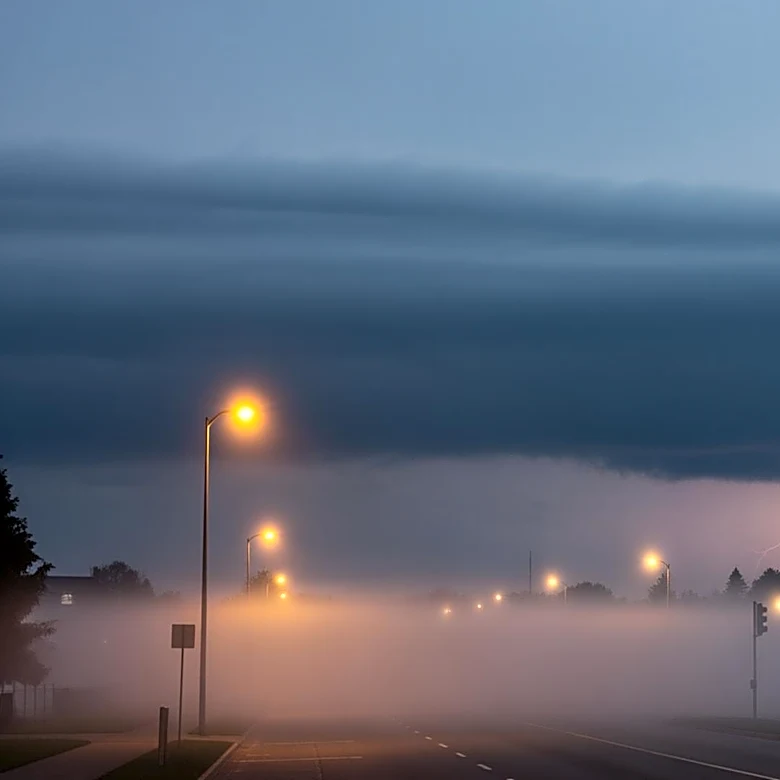
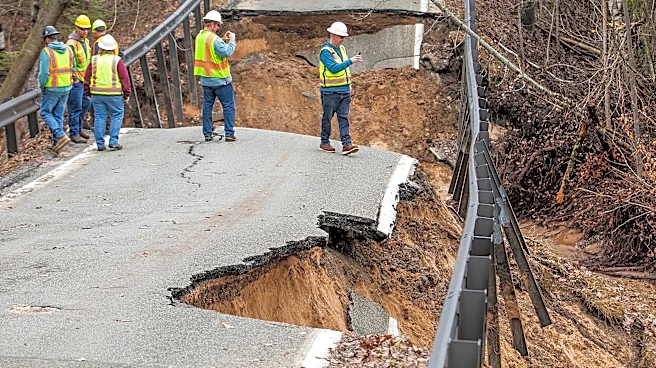
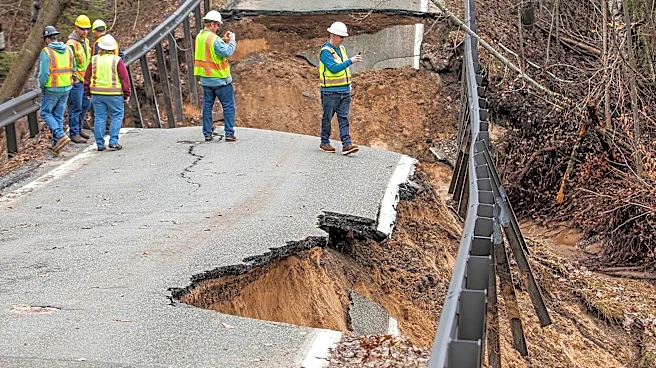
significant damage, with wind speeds reaching up to 140 mph in some areas. In addition to tornadoes, the state faced severe thunderstorms and flooding, particularly in Milwaukee, which recorded its rainiest April since 2000. The weather event resulted in widespread power outages and property damage, although no injuries or fatalities were reported.
Why It's Important?
The occurrence of multiple tornadoes in a single day highlights the increasing frequency and intensity of severe weather events, which can have profound impacts on communities and infrastructure. The damage caused by these tornadoes underscores the need for effective emergency preparedness and response strategies. Additionally, the flooding in Milwaukee serves as a reminder of the challenges posed by extreme weather patterns, which can strain local resources and disrupt daily life. Understanding these patterns is crucial for policymakers and emergency services to mitigate risks and enhance community resilience.
What's Next?
As survey teams continue to assess the damage, the number of confirmed tornadoes may increase. Local authorities and emergency services are likely to focus on recovery efforts, including restoring power and clearing debris. The ongoing flood warnings in several counties suggest that residents may need to remain vigilant and prepared for further disruptions. Long-term, this event may prompt discussions on improving infrastructure resilience and updating emergency response plans to better handle such severe weather occurrences.