





What's Happening?
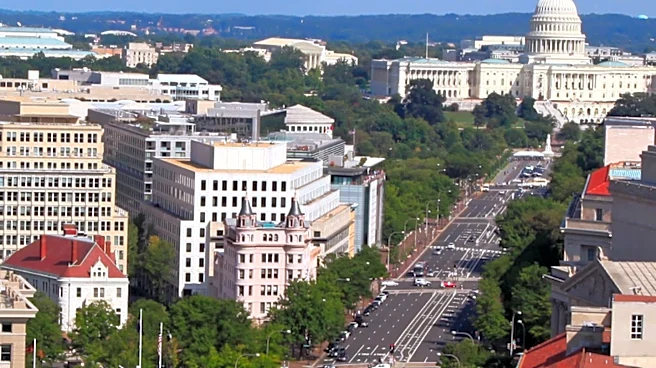
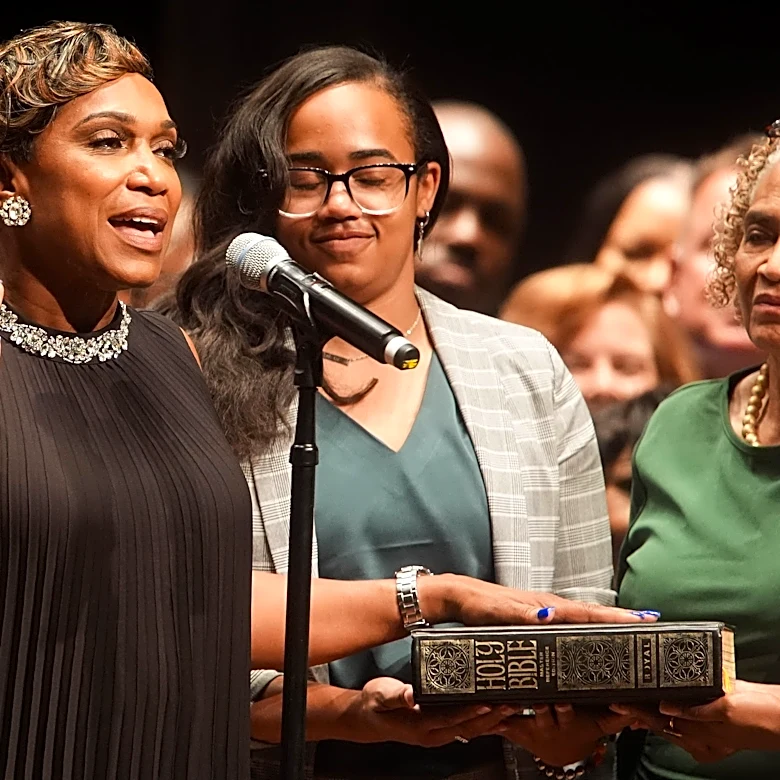
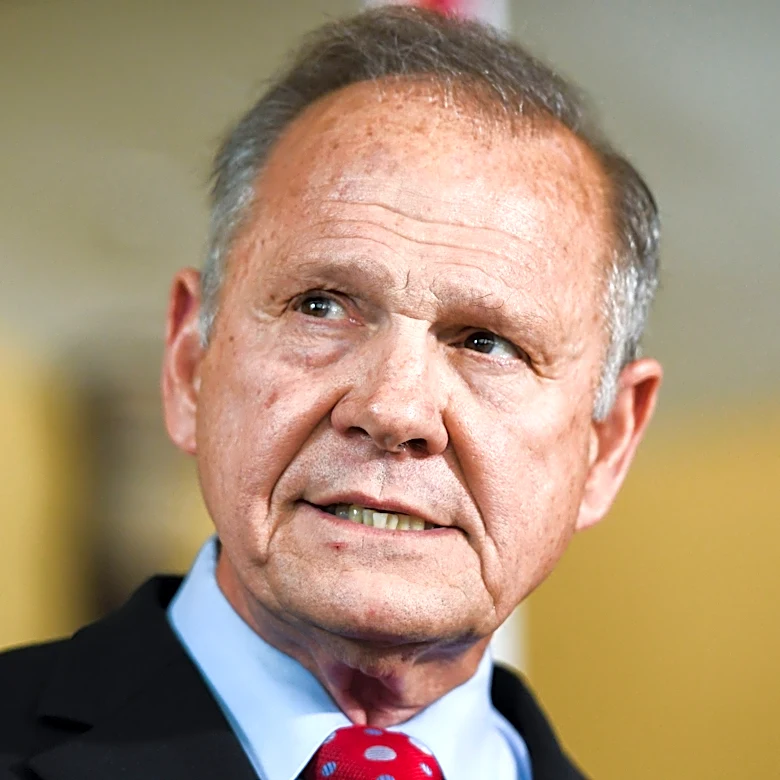
Congressman Chris Smith (R-NJ) recently met with Danielle Lamb, Director of TRIO-Student Support Services (TRIO-SSS), on Capitol Hill. The meeting was part of an advocacy gathering where Ms. Lamb represented Georgian Court University and promoted the TRIO-SSS program.
The Council for Opportunity in Education (COE) hosted its 41st Annual Policy Seminar in Washington, D.C., bringing together over 700 professionals. During their discussion, Ms. Lamb and Congressman Smith focused on the critical need for increased funding for the federal Pell Grant program and for TRIO. These programs are vital in providing comprehensive support to first-generation students, low-income students, and students with disabilities. The push for additional funding is particularly important given the current challenges participants face, including rising cost-of-living expenses and ongoing issues exacerbated by the pandemic.
Why It's Important?
The advocacy efforts by Congressman Smith and TRIO-SSS Director Danielle Lamb highlight the significant role federal funding plays in supporting educational access and equity in the United States. The Pell Grant program is a cornerstone of financial aid, enabling millions of low-income students to pursue higher education. Similarly, TRIO programs offer essential services such as academic advising, tutoring, and career counseling, which are crucial for the success of underserved student populations. Increased funding for these initiatives directly impacts the ability of these students to enroll in and complete college, thereby improving their long-term economic prospects and contributing to a more educated workforce. Without adequate funding, these students face greater barriers to higher education, potentially widening existing socioeconomic disparities and limiting opportunities for upward mobility.
What's Next?
The discussions on Capitol Hill are expected to contribute to ongoing legislative debates regarding federal education spending. The Council for Opportunity in Education (COE) and its partners will likely continue to lobby Congress for the requested budget increases for the Pell Grant program and TRIO. Legislators, including Congressman Smith, will need to consider these funding requests as part of the annual appropriations process. The outcome will depend on congressional priorities, budget negotiations, and the broader economic outlook. Continued advocacy from educational institutions and student support organizations will be crucial in maintaining pressure on lawmakers to prioritize these programs. The next steps will involve legislative proposals, committee hearings, and ultimately, votes on appropriations bills that will determine the funding levels for these critical student support services.
Beyond the Headlines
The advocacy for increased funding for programs like TRIO and Pell Grants extends beyond immediate financial considerations, touching upon fundamental issues of social mobility and national competitiveness. By investing in these programs, the U.S. government aims to dismantle systemic barriers that prevent talented individuals from underserved communities from accessing higher education. This investment is not merely about individual student success but also about fostering a more diverse and skilled workforce, which is essential for innovation and economic growth. The long-term implications include a potential reduction in income inequality, increased civic engagement, and a more robust democratic society. The ongoing challenges of cost-of-living increases and the lingering effects of the pandemic underscore the urgency of these funding discussions, highlighting the need for sustained commitment to educational equity as a national priority.