


What's Happening?
On Thursday, Governor Brian Kemp issued a state of emergency for Fannin, Gilmer, Murray, and Union counties in north Georgia following severe flash flood emergencies. This declaration ensures that all necessary resources are available to assist the communities
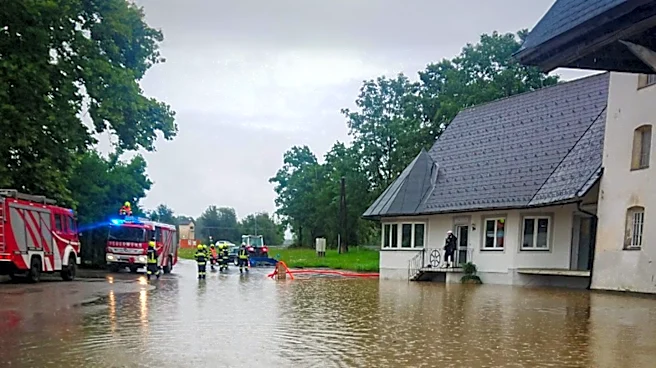
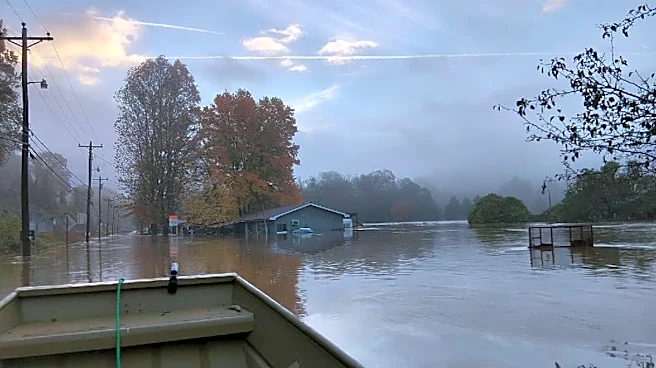
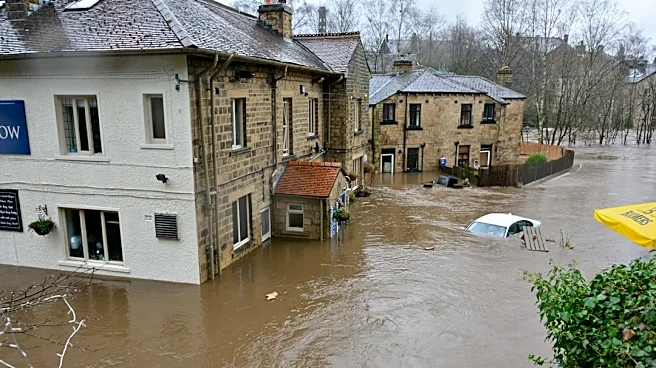
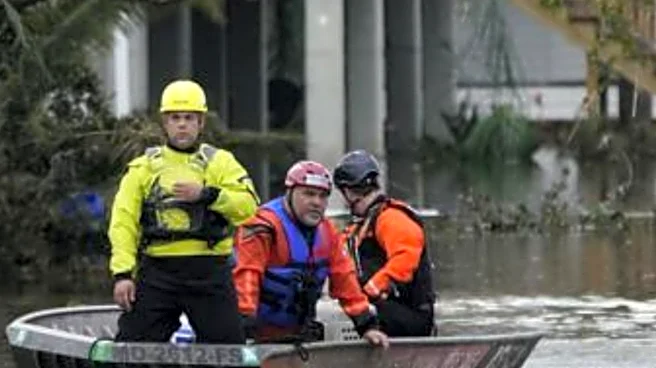
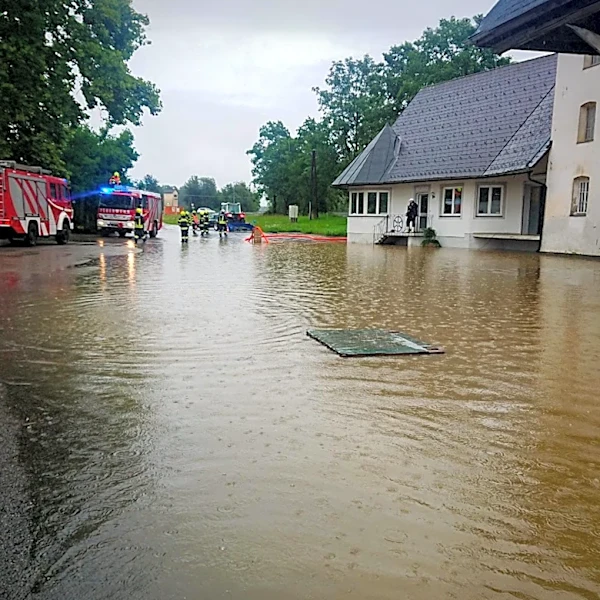
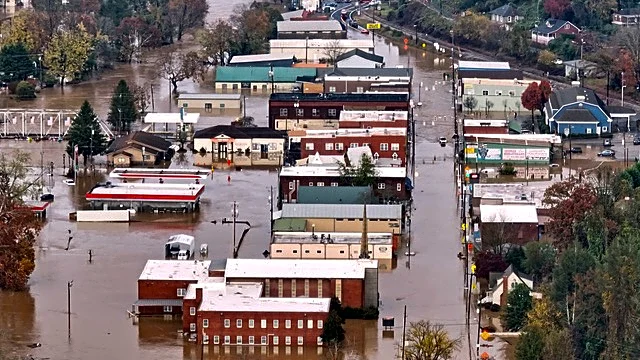
impacted by the flooding. The state of emergency activates the Georgia Emergency Operations Plan and the Georgia State Operations Plan, enabling authorities to take actions to address power outages and prohibit price gouging. Over a foot of rain fell in some areas along the Georgia-Tennessee border this week, according to AccuWeather. The Toccoa River rose more than 15 feet overnight, surpassing a record set in 1990. A UGA weather station in Blue Ridge recorded 11.9 inches of rain in approximately five hours, while another station in Cherry Log reported 14.4 inches. The city of McCaysville was closed, with residents ordered to evacuate, and over 80 people have reportedly been rescued.
Why It's Important?
The declaration of a state of emergency by Governor Kemp is a critical step in mobilizing resources and coordinating relief efforts for the affected areas. This action allows for immediate access to state and federal aid, which is essential for recovery and rebuilding infrastructure damaged by the floods. The prohibition of price gouging is particularly important as it protects vulnerable residents from exploitation during a crisis, ensuring that essential goods and services remain affordable. The record-breaking rainfall and river levels highlight the increasing severity of weather events, posing significant challenges for emergency management and urban planning. The extensive evacuations and rescues underscore the immediate danger to human life and property, emphasizing the need for robust disaster preparedness and response mechanisms in regions prone to such natural disasters.
What's Next?
The affected communities in north Georgia can anticipate a temporary reprieve from severe weather, with the National Weather Service forecasting mostly sunny conditions and no rain for the next week. High temperatures are expected to be around 70 degrees Fahrenheit, with lows around 40 degrees. Emergency personnel will continue their response efforts, focusing on rescue operations, damage assessment, and restoring essential services like power. The state of emergency will remain in effect, facilitating ongoing support and resource allocation for recovery. Authorities will also monitor the long-term impacts of the flooding, including potential infrastructure damage and the need for sustained community assistance. The governor's office and state agencies will likely work to ensure a smooth transition from emergency response to recovery and rebuilding phases.
Beyond the Headlines
The severe flooding in north Georgia, characterized by record rainfall and river levels, points to broader environmental and infrastructural challenges. Such extreme weather events raise questions about the adequacy of existing flood control measures and the resilience of local infrastructure to climate-related impacts. The rapid rise of the Toccoa River and the significant rainfall amounts suggest a need for re-evaluating hydrological models and urban development practices in flood-prone areas. Furthermore, the economic impact on affected communities, including property damage and business disruptions, could be substantial, necessitating long-term recovery plans and potential policy adjustments for disaster insurance and aid. The incident also highlights the critical role of early warning systems and effective evacuation protocols in mitigating loss of life during sudden natural disasters.