


What's Happening?
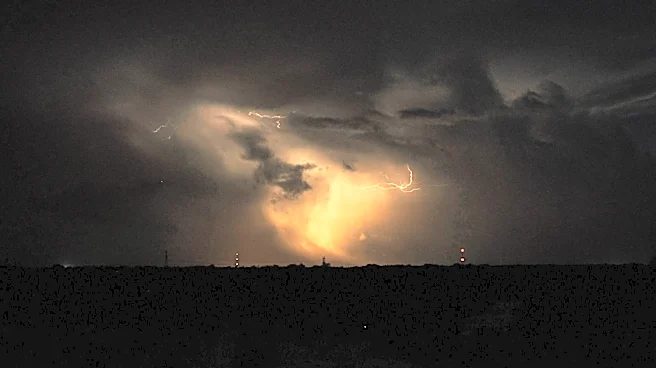
Approximately 2,000 CPS Energy customers in San Antonio are still without electricity as of Monday noon, following severe thunderstorms that impacted the area on Friday evening. CPS Energy Interim CEO Frank Almaraz stated that power restoration for these
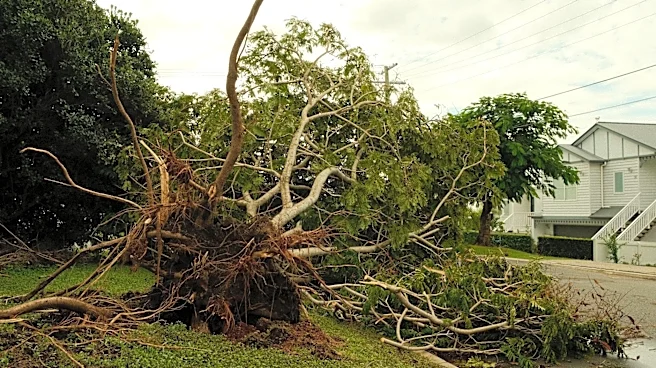
remaining customers is expected by Tuesday night. The storms initially caused outages for 112,000 customers, with tens of thousands experiencing power loss for over 24 hours. The severe weather resulted in significant damage, including nearly 380 downed trees and utility poles, and some structural damage, particularly on the city's West Side. San Antonio Acting Police Chief Jesse Salame Jr. also noted that several traffic lights remain out, with efforts underway to restore them by Wednesday.
Why It's Important?
The prolonged power outages for thousands of San Antonio residents highlight critical infrastructure vulnerabilities and the significant impact of severe weather events on urban communities. For affected households and businesses, the lack of electricity disrupts daily life, economic activity, and can pose health and safety risks, especially for vulnerable populations. The extensive damage to trees and utility poles underscores the need for robust infrastructure maintenance and vegetation management programs to mitigate future disruptions. Public frustration with the utility's response also emphasizes the importance of effective communication and rapid restoration efforts during emergencies. This situation serves as a reminder of the economic and social costs associated with climate-related events and the necessity for resilient urban planning.
What's Next?
CPS Energy will continue its efforts to restore power to the remaining 2,000 customers, with a target completion by Tuesday night. Crews will focus on repairing damaged infrastructure, including utility poles and power lines, and clearing debris. The San Antonio Police Department will work to restore all non-functioning traffic lights by Wednesday, urging drivers to treat affected intersections as four-way stops. The city has also suspended its citywide bulk collection to prioritize debris pickup in the hardest-hit areas. Resilience centers will remain open to assist affected residents. Post-restoration, there will likely be a review of the storm response to identify areas for improvement in emergency preparedness and communication strategies.
Beyond the Headlines
The widespread power outages and infrastructure damage in San Antonio underscore the broader challenges faced by cities in adapting to increasingly frequent and intense weather events, potentially linked to climate change. This incident could prompt a deeper examination of the city's energy grid resilience, including investments in smart grid technologies, undergrounding power lines, and enhanced tree trimming programs. Furthermore, it highlights issues of social equity, as prolonged outages disproportionately affect low-income communities and those with limited resources to cope. The public's reaction and criticism of CPS Energy's response may also lead to increased scrutiny of utility accountability and the need for more transparent and proactive communication during crises. Ultimately, this event serves as a case study for urban centers on the importance of comprehensive disaster preparedness and climate adaptation strategies.