





What's Happening?
Denver Water has issued 450 citations totaling approximately $265,000 for violations of water restrictions since the beginning of the month. These penalties come as the utility aims to conserve water during ongoing drought conditions. A first-time violation incurs
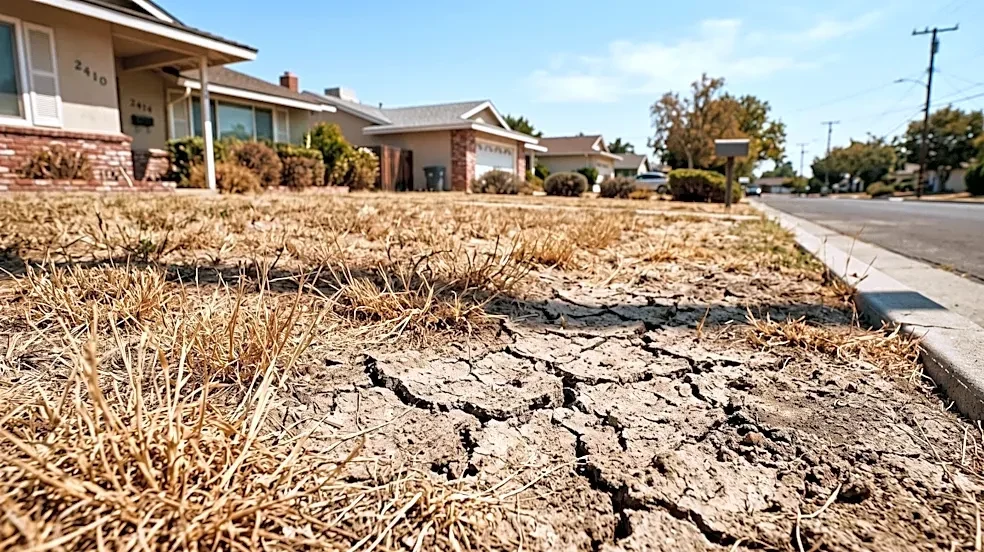
a fine of at least $500, with subsequent violations potentially reaching $1,000. For multi-family customers, initial fines start at $1,000. The current restrictions, which began on October 1, include a ban on lawn watering, making violations easier to identify, according to Greg Fisher of Denver Water. The utility had previously sent postcards to all customers to inform them of the new rules. Despite some residents expressing frustration, others, like Denver resident Jeff Huffman, believe the fines are justified given the dry winter and summer. Denver Water reported receiving over 7,500 reports of water waste and issuing more than 2,000 formal warnings through September.
Why It's Important?
The enforcement of water restrictions in Denver highlights the severe impact of drought on urban areas and the increasing need for water conservation efforts across the U.S. West. The financial penalties imposed on residents underscore the seriousness with which water utilities are approaching dwindling supplies. This situation reflects a broader challenge faced by many communities in arid regions, where climate patterns are leading to reduced water availability. The differing opinions among residents regarding the fines also point to potential social tensions that can arise when essential resources are rationed, and regulations are enforced. The anticipated 60% reservoir capacity by next spring, well below the 85% target, signals a persistent and critical water shortage that could affect daily life and economic activities in the region for the foreseeable future.
What's Next?
Denver Water anticipates that reservoirs will only be about 60% full by next spring, significantly below the target of 85%. This projection indicates that water conservation efforts will need to continue, and potentially intensify, in the coming months. The utility is hopeful for a good snow year this winter to alleviate the drought conditions. Residents should expect ongoing monitoring and enforcement of water restrictions. The community will likely continue to grapple with the balance between individual water use and collective conservation needs. The effectiveness of these measures and the public's adherence will be crucial in determining the region's water security in the long term, especially if the drought persists beyond the current winter season.
Beyond the Headlines
The situation in Denver extends beyond immediate water conservation, touching upon the long-term sustainability of urban development in drought-prone regions. The conflict between individual property aesthetics, such as green lawns, and the collective need for water conservation raises questions about societal values and environmental responsibility. The enforcement of fines also brings to light issues of equity, as some residents feel that leniency is given to businesses while individuals are penalized. This scenario could prompt broader discussions on urban planning, water infrastructure investments, and the adoption of drought-resistant landscaping and water-efficient technologies. Ultimately, Denver's experience could serve as a case study for other U.S. cities facing similar water scarcity challenges, influencing future policy decisions and public engagement strategies.