






What's Happening?
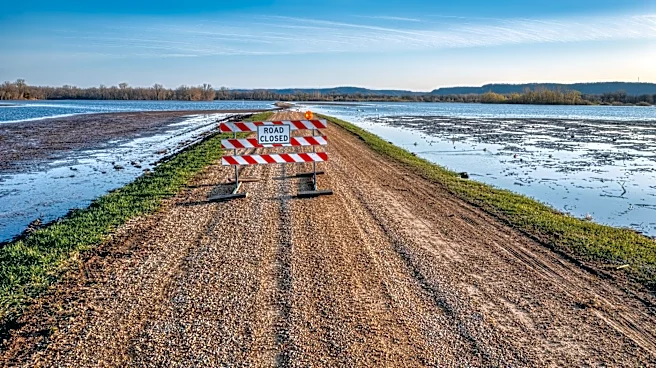
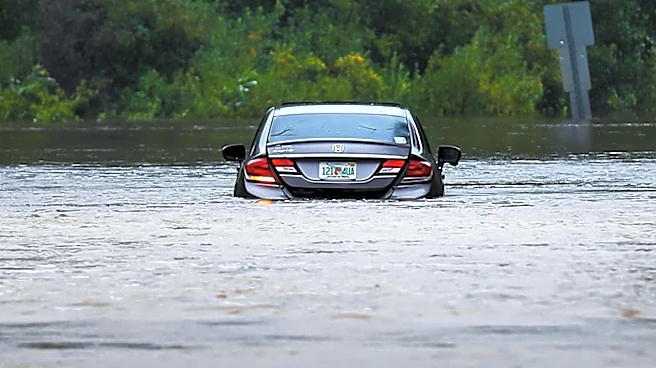
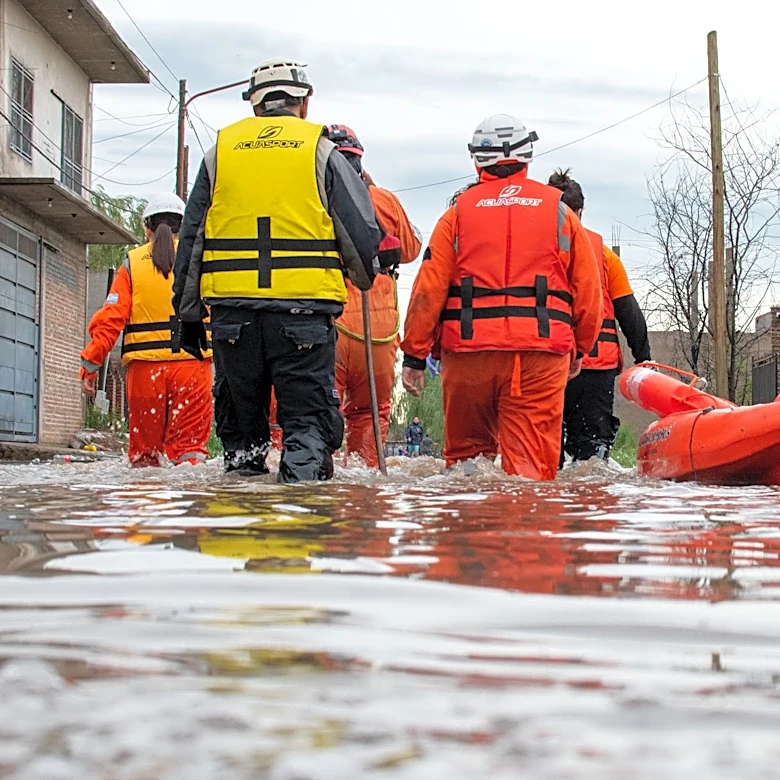
Michigan homeowners and renters in 28 counties are eligible to apply for FEMA disaster assistance due to uninsured damage from the April storms and flooding. The affected counties include Alcona, Allegan, Alpena, Antrim, Barry, Benzie, Charlevoix, Cheboygan,
Crawford, Emmet, Grand Traverse, Gratiot, Iosco, Kalamazoo, Kalkaska, Manistee, Mecosta, Montcalm, Muskegon, Newaygo, Oceana, Osceola, Presque Isle, Roscommon, Saginaw, Washtenaw, and Wexford. Assistance is available for serious needs such as hotel costs, displacement, basic home repairs, personal property loss, or other disaster-caused needs. The fastest way to apply is online at DisasterAssistance.gov or by calling the FEMA helpline at 800-621-3362. Individuals with insurance must file a claim first, as FEMA cannot duplicate benefits.
Why It's Important?
This FEMA declaration is critically important for thousands of Michigan residents who suffered losses from the April storms and flooding. It provides a vital safety net, offering financial relief for immediate needs and long-term recovery efforts. For the affected communities, this assistance can prevent further economic hardship, facilitate rebuilding, and help restore a sense of normalcy. The requirement to file insurance claims first highlights the complementary role of federal aid, stepping in where private insurance falls short. This federal intervention underscores the U.S. government's commitment to disaster response and recovery, impacting local economies, housing stability, and public health in the affected regions.
What's Next?
Eligible Michigan residents are encouraged to apply for FEMA assistance promptly through DisasterAssistance.gov or the FEMA helpline. FEMA will process applications, assess damages, and disburse funds to approved individuals. Public Assistance Grant Programs will also provide supplemental disaster grant assistance to government organizations and certain private nonprofit organizations for debris removal, emergency protective measures, and the repair or replacement of damaged public facilities. In-person federal assistance sites may be established to help residents with the application process. The recovery process will be ongoing, with continued efforts to rebuild and mitigate future disaster impacts in the affected counties.
Beyond the Headlines
The recurring need for FEMA disaster assistance in various U.S. regions, including Michigan, points to the increasing frequency and intensity of extreme weather events, likely exacerbated by climate change. This situation highlights the long-term financial and social costs of natural disasters, placing a significant burden on federal resources and local communities. Beyond immediate relief, there's a deeper implication for urban planning, infrastructure development, and climate resilience strategies. Communities will need to consider more robust flood mitigation measures and sustainable rebuilding practices. The process of applying for aid also exposes disparities in access to resources and information, underscoring the need for equitable disaster preparedness and recovery programs that reach all affected populations, especially vulnerable groups.