






What's Happening?
The United Arab Emirates (UAE) has been targeted by Iranian missile and drone attacks, marking a significant escalation in regional tensions. The UAE's Ministry of Defense reported that its air defense systems are actively responding to these threats.
This development follows a period of relative calm after a ceasefire was established between Iran and the U.S.-Israel alliance. The attacks have resulted in fires at key oil facilities, including the Fujairah Oil Industry Zone, which is a major storage hub for refined crude in the Middle East. The UAE has condemned the attacks as a dangerous escalation and has reserved the right to respond fully and legitimately.
Why It's Important?
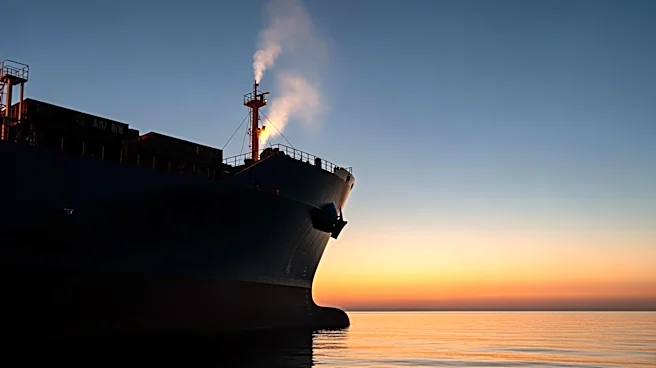
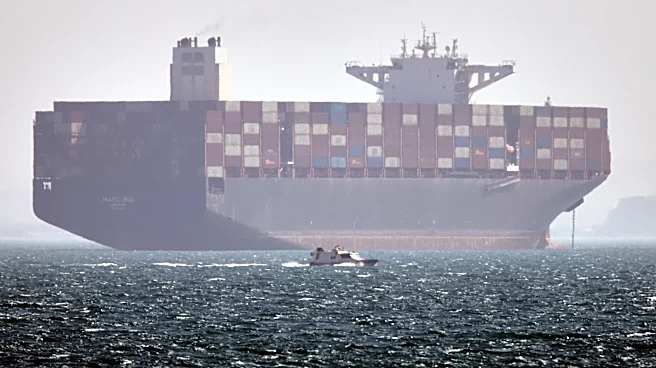
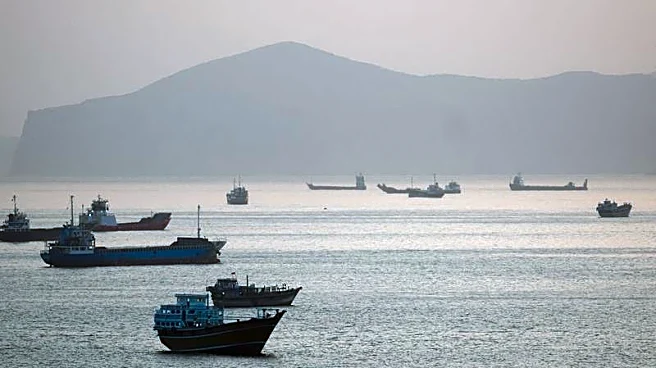
The attacks on the UAE highlight the fragility of the ceasefire and the potential for further destabilization in the region. The Strait of Hormuz, a critical chokepoint for global oil shipments, is at the center of these tensions. Any disruption in this area could have significant implications for global oil prices and supply chains. The UAE, a key ally of the U.S., is directly affected, and its security and economic stability are at risk. The situation also underscores the broader geopolitical struggle involving Iran, the U.S., and their respective allies, with potential impacts on international relations and regional security.
What's Next?
The UAE has indicated that it may take retaliatory measures, and the international community is closely monitoring the situation. The U.S. has expressed its commitment to ensuring the security of commercial vessels in the Strait of Hormuz, and further military engagements could occur if tensions escalate. Diplomatic efforts may be pursued to de-escalate the situation, but the path forward remains uncertain. The potential for further conflict could lead to increased military presence in the region and heightened global economic concerns.