





What's Happening?
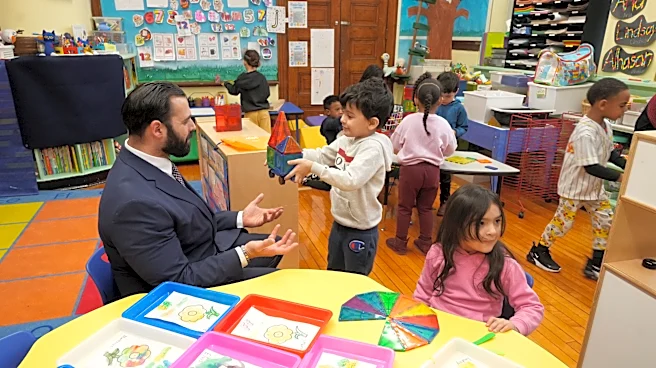
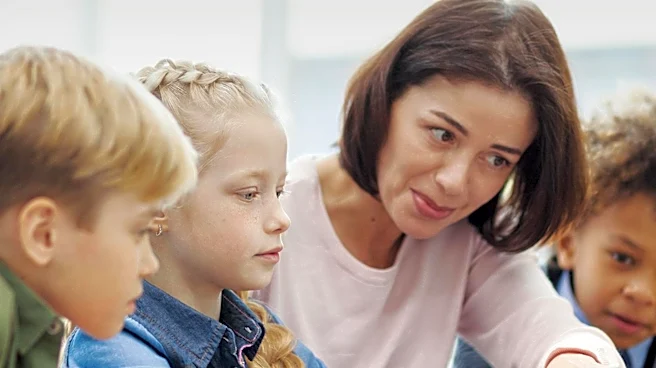
Early childhood education is increasingly focusing on the importance of representing diverse family structures and cultural backgrounds within classroom settings. This initiative aims to create inclusive environments where every child feels valued and understood.
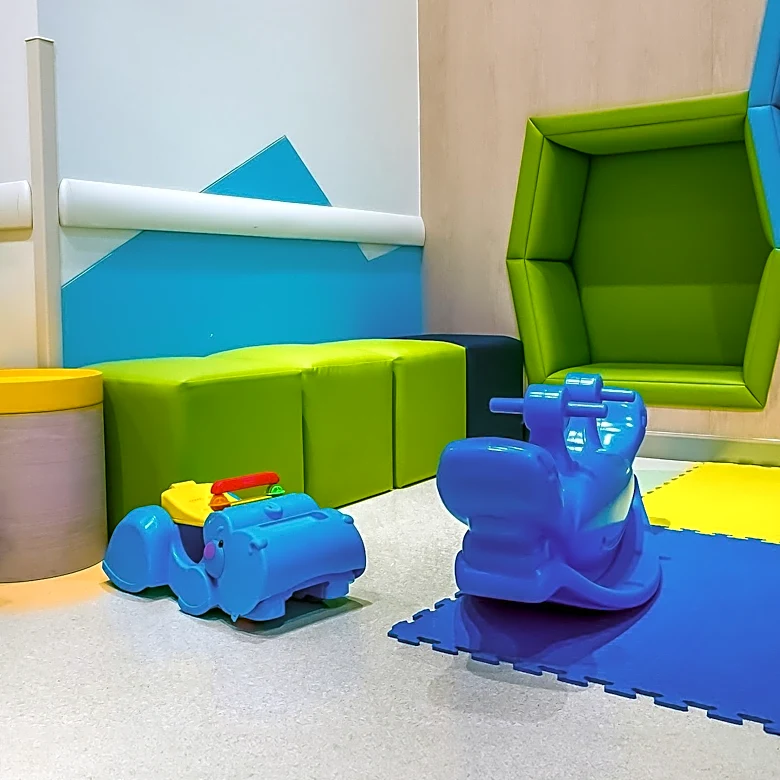
According to ChildCareEd, effective family engagement involves treating caregivers as decision-making partners and ensuring that classroom materials, curriculum, and interactions positively reflect children's daily lives. This includes showcasing single-parent, blended, adoptive, foster, same-gender-parent, multigenerational, and extended families in books and learning materials. The goal is to move beyond superficial representation, such as annual cultural events, and integrate diversity into everyday learning experiences. Educators are encouraged to conduct environmental audits of their classrooms to ensure that dolls, figures, and language used are inclusive of varied skin tones, hair textures, body types, ages, and abilities. The approach also stresses the importance of incorporating home languages respectfully and avoiding stereotypes or tokenism.
Why It's Important?
This shift in early childhood education is crucial for the healthy development of children and for fostering a more inclusive society. When children see their own family structures and cultural experiences reflected in the classroom, it reinforces their sense of identity and belonging, sending a powerful message that they are welcome. Conversely, exposure to diverse experiences in thoughtful ways helps children develop empathy, expand their vocabulary, and improve perspective-taking and social understanding. For educators, understanding families' strengths and priorities leads to more relevant curriculum planning and effective communication. This approach also helps challenge narrow assumptions about family structures and cultural norms before they become fixed, contributing to a more accepting and understanding generation. By actively preventing children from feeling invisible or excluded, early childhood programs can lay the groundwork for a society that values and respects diversity.
What's Next?
The ongoing implementation of these inclusive practices will require continuous professional development for educators, focusing on culturally and linguistically responsive communication and collaborative goal-setting with families. Educational institutions and curriculum developers are expected to produce more diverse and representative materials, moving away from generic or stereotypical portrayals. There will likely be an increased emphasis on flexible engagement strategies to accommodate diverse family circumstances, such as varying work schedules, transportation barriers, and language differences. Furthermore, ongoing assessment and feedback mechanisms will be essential to ensure that these initiatives are genuinely effective in making children feel represented and included. This includes observing children's participation, language use, and relationships, as well as soliciting feedback from families to continuously refine and improve classroom practices.
Beyond the Headlines
The deeper implications of this movement extend to challenging ingrained societal norms and biases about what constitutes a 'typical' family. By normalizing diverse family structures from an early age, education can play a significant role in reducing prejudice and fostering greater acceptance in future generations. Ethically, it underscores the right of every child to see themselves reflected positively in their learning environment, which is fundamental to their psychological well-being and self-esteem. Legally, while not explicitly mandated, the principles align with broader anti-discrimination efforts and the promotion of equity in education. Culturally, it represents a shift towards a more pluralistic understanding of American society, acknowledging and celebrating the rich tapestry of backgrounds that make up the nation. This long-term shift could lead to a more cohesive and empathetic society, where differences are not just tolerated but genuinely valued as strengths.