



What's Happening?
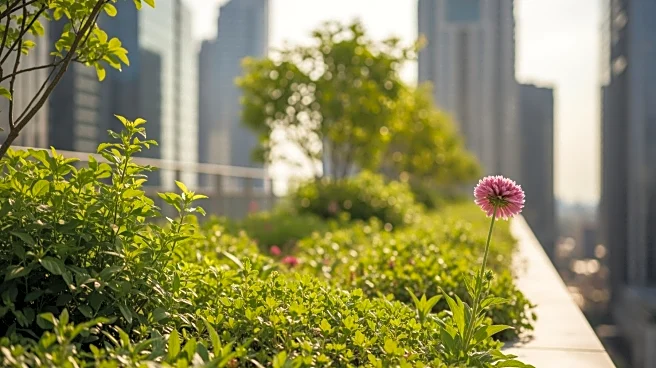
Urban greening, the integration of natural features into the built environment, is gaining recognition as a critical strategy for enhancing biodiversity and climate resilience in cities. Initiatives like the Wild West End in London demonstrate the benefits
of urban greening, including improved air quality, reduced overheating, and enhanced mental health. The Crown Estate is leading efforts to connect green spaces across its London estate, using green roofs, walls, and pocket habitats to create a healthier urban environment.
Why It's Important?
Urban greening is essential for creating sustainable and resilient cities. By incorporating natural elements into urban areas, cities can mitigate climate risks, improve public health, and enhance the quality of life for residents. This approach also supports biodiversity by providing habitats for pollinators and other wildlife. As cities face increasing environmental challenges, urban greening offers a practical solution for building more sustainable and livable urban environments.
Beyond the Headlines
The integration of biodiversity into urban planning is becoming a commercial necessity, as it strengthens ESG performance and protects asset value. Greener environments are more appealing to residents and investors, aligning with modern sustainability values. The use of technology, such as eDNA testing and ecological impact assessments, is enhancing the effectiveness of urban greening initiatives. These innovations allow for more strategic and impactful interventions, supporting the long-term sustainability of urban areas.