




What's Happening?
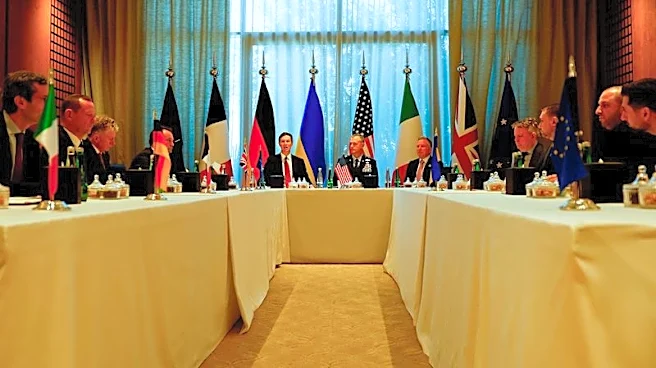
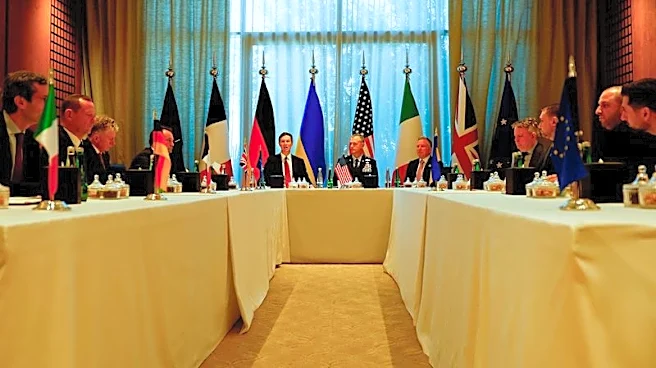
The European Union and NATO are intensifying their collaboration on cybersecurity and cyber defense, as evidenced by the third EU-NATO Structured Dialogue on Cyber held on November 6, 2026. This meeting, announced by the European External Action Service
(EEAS) on November 10, aimed to coordinate approaches to cybersecurity in an increasingly complex threat landscape. Discussions covered cyber resilience, responses to malicious cyber activities, support for partner countries, and the implications of artificial intelligence (AI) for cybersecurity. Both organizations emphasized the need for coordinated responses without duplicating efforts, leveraging the EU's regulatory and diplomatic tools alongside NATO's military planning and collective defense capabilities. The dialogue also addressed the misuse of AI models and the rapid discovery of software vulnerabilities, which are significantly impacting the cyber threat environment. This structured dialogue, established in 2024, builds on previous high-level discussions and includes participation in joint cybersecurity exercises.
Why It's Important?
This enhanced coordination is crucial because neither the EU nor NATO can independently address the full spectrum of modern cyber threats. The EU provides a broad range of civilian instruments, including regulatory frameworks and diplomatic tools, while NATO offers military capabilities and collective defense structures. Their ability to share information, align priorities, and coordinate responses is vital as cyber operations increasingly intersect with geopolitical confrontations, critical infrastructure disruptions, and emerging technologies. Effective collaboration ensures a more robust defense against sophisticated cyberattacks that can simultaneously affect civilian infrastructure, military networks, and national security. This partnership also has implications for partner countries like Ukraine and those in the Western Balkans, where cyber capacity building is a key component of broader security cooperation, enhancing overall regional stability and resilience against cyber warfare.
What's Next?
The EU and NATO are scheduled to hold their next structured dialogue in 2027, indicating a continued commitment to institutionalized coordination on cyber defense. Future efforts will likely focus on translating regular dialogue into practical improvements in information-sharing, interoperability, and crisis coordination. This includes developing coherent response frameworks that can address increasingly interconnected cyber and hybrid threats. Both organizations will need to ensure their complementary capabilities are effectively integrated to counter evolving threats, particularly those involving advanced AI. The ongoing cooperation will also involve continued participation in joint cybersecurity exercises and coordinated diplomatic statements against cyberattacks, aiming to strengthen collective deterrence and response mechanisms against state-sponsored and other malicious cyber actors.
Beyond the Headlines
The deepening EU-NATO cyber cooperation highlights a significant shift in international security paradigms, where cyber warfare is no longer a peripheral concern but a central element of geopolitical strategy. The inclusion of AI in these discussions underscores the rapid evolution of threats and the need for proactive adaptation. This collaboration also reflects a broader trend towards hybrid warfare, where cyberattacks are often combined with disinformation, sabotage, and other hostile activities. The challenge lies in ensuring that these diverse instruments can operate coherently during complex incidents, preventing fragmentation of efforts. Furthermore, the emphasis on supporting partner countries suggests a recognition that cyber resilience is a collective security good, extending beyond the immediate membership of both organizations to create a more secure global digital environment.