






What's Happening?
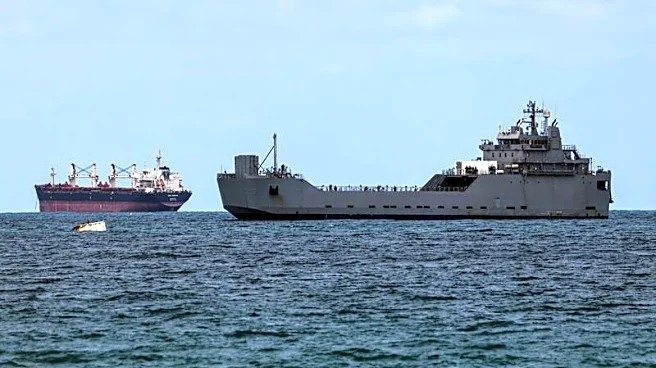
The US State Department's Office of Inspector General (OIG) is conducting an investigation into the Gaza Humanitarian Foundation (GHF) regarding the use of a $30 million grant. This grant, announced last June, was intended for emergency aid distribution
in Gaza and was backed by the United States and Israel. The investigation aims to scrutinize how the funds were allocated, including the pricing of aid and services purchased with the grant. The Financial Times reported that the OIG is examining the financial management of the GHF, although the organization claims to be unaware of the inquiry. The investigation follows concerns about the high costs of food and logistics, which GHF attributes to the ongoing conflict in the region. The foundation was reportedly in the process of reducing transport costs when operations were suspended due to a US-brokered ceasefire.
Why It's Important?
This investigation is significant as it highlights the challenges and complexities involved in international aid distribution, particularly in conflict zones like Gaza. The scrutiny of the GHF's financial practices could impact future funding and operational strategies for humanitarian organizations working in similar environments. The outcome of this investigation may influence US foreign aid policies and the oversight mechanisms applied to ensure accountability and transparency. Additionally, the probe could affect diplomatic relations between the US, Israel, and other stakeholders involved in the region's humanitarian efforts. The findings may also prompt a reevaluation of how aid is distributed and managed in conflict-affected areas, potentially leading to policy changes that prioritize efficiency and cost-effectiveness.
What's Next?
As the investigation progresses, the OIG may release findings that could lead to changes in how the State Department allocates and monitors aid funds. If irregularities are found, there could be calls for increased oversight and stricter guidelines for future grants. The GHF may need to address any identified issues to restore confidence among donors and partners. Additionally, the investigation's outcome could influence legislative actions, with lawmakers potentially seeking to implement reforms to prevent similar issues in the future. The international community will likely monitor the situation closely, as it could set a precedent for how humanitarian aid is managed in other conflict zones.