






What's Happening?
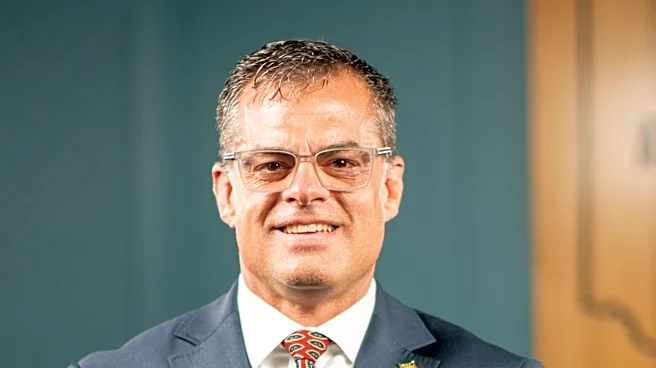
Frank McGrath, a former Kenosha County sheriff's deputy, made his initial court appearance on two felony misconduct-in-office charges. The charges stem from allegations that McGrath misused departmental tracking tools. Specifically, he is accused of improperly
using the Kenosha County Sheriff's Department's Flock Safety license plate-reading technology and a separate police GPS tool designed to track squad vehicles. Prosecutors allege that McGrath utilized both of these systems to monitor the movements of an ex-girlfriend, who is also a deputy within the Kenosha County Sheriff's Department. This case highlights concerns about the potential for abuse of surveillance technologies by law enforcement personnel. The court proceedings will determine the extent of McGrath's alleged misconduct and the legal consequences he may face for these actions. The incident has drawn attention to the protocols and oversight mechanisms in place for the use of such sensitive tracking equipment within police departments.
Why It's Important?
This case is significant as it underscores critical issues regarding privacy, abuse of power, and accountability within law enforcement. The alleged misuse of advanced tracking technologies by a former deputy raises serious questions about the safeguards in place to prevent such abuses and the oversight mechanisms governing access to sensitive data. For the public, it erodes trust in law enforcement agencies, as the very tools designed for public safety are allegedly used for personal, illicit purposes. This incident could prompt a review of policies and procedures related to the access and use of surveillance technology in police departments across the nation, potentially leading to stricter regulations and enhanced auditing systems. It also highlights the vulnerability of individuals, even those within law enforcement, to privacy violations when such powerful tools are misused. The outcome of this case could set a precedent for how similar instances of technological misuse by public officials are handled in the future.
What's Next?
Frank McGrath is scheduled to appear in court next month for a preliminary hearing, where further details of the charges and evidence against him may be presented. The legal process will involve investigations, potential plea negotiations, and ultimately, a trial if no agreement is reached. This case may also trigger internal reviews within the Kenosha County Sheriff's Department regarding their policies on the use of Flock Safety technology and other GPS tracking tools. There could be calls for increased transparency, stricter access controls, and more frequent audits of how these technologies are utilized by deputies. Depending on the outcome, this case could influence legislative discussions around privacy protections and accountability for law enforcement's use of surveillance tools. Other law enforcement agencies might also review their own protocols to prevent similar incidents, potentially leading to broader changes in how such technologies are managed nationwide.
Beyond the Headlines
The alleged actions of the former Kenosha County sheriff's deputy delve into deeper ethical and societal implications concerning surveillance in a digital age. The misuse of police tracking technology for personal reasons blurs the lines between public safety and private intrusion, raising fundamental questions about the balance of power and individual liberties. This incident could fuel public debate on the extent to which law enforcement should have access to such pervasive surveillance capabilities and the necessary checks and balances to prevent their weaponization against citizens. It also highlights the psychological impact on victims of such surveillance, who may experience profound feelings of violation and insecurity. Furthermore, the case touches upon the broader issue of domestic abuse, where technology can be weaponized by perpetrators. This situation serves as a stark reminder of the constant need for robust ethical frameworks and stringent oversight in the deployment of powerful technologies, especially within institutions entrusted with public safety and order.