




What's Happening?
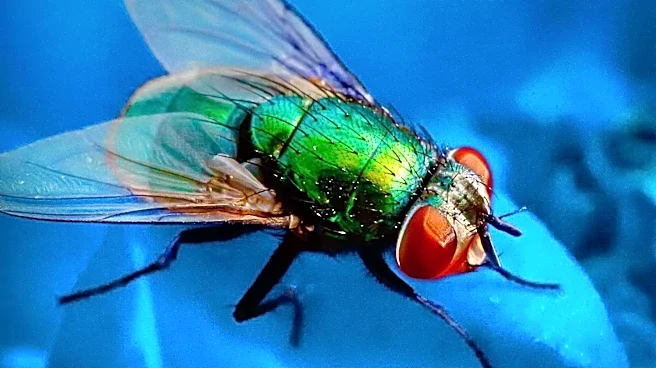
Flies, often overlooked in the realm of pollination, are gaining recognition for their significant role in agriculture. Unlike bees, flies are not bound by the need to return to a hive, allowing them to travel longer distances and pollinate a wider variety
of crops. This adaptability makes them crucial pollinators, especially in environments where bees are less effective. Flies also contribute to pest control, composting, and soil fertility, providing a range of ecosystem services that benefit agricultural productivity. Recent studies highlight the importance of flies in pollination, particularly in glasshouse environments where bees may be less active.
Why It's Important?
The recognition of flies as effective pollinators has important implications for agriculture and biodiversity. As bee populations face decline due to various environmental pressures, flies offer an alternative means of pollination, ensuring crop yields and food security. Their role in pest control and composting further enhances their value to farmers, reducing the need for chemical interventions. This shift in understanding could lead to changes in agricultural practices, promoting the conservation of fly habitats and encouraging their presence in farming areas. The broader acceptance of flies as beneficial insects could also influence public perception and policy regarding insect conservation.
Beyond the Headlines
The newfound appreciation for flies in agriculture highlights the complexity of ecosystems and the interconnectedness of species. It challenges traditional views of insects, often seen as pests, and underscores the need for a more nuanced understanding of their roles. This development may prompt further research into other overlooked species and their contributions to ecological balance. Additionally, it raises ethical considerations about the use of pesticides and the impact on non-target insect populations, encouraging more sustainable farming practices.