
What's Happening?
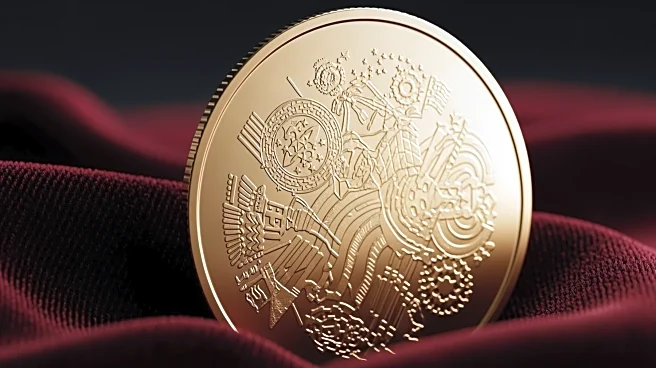
The U.S. Treasury Department and the United States Mint have released draft design proposals for a special $1 coin to commemorate the 250th anniversary of American independence in 2026. These designs feature
images of President Donald J. Trump. The proposals are part of the 250th anniversary coinage program, authorized by Congress under the Circulating Collectible Coin Redesign Act of 2020. The designs include three obverse options depicting President Trump's profile with inscriptions such as 'LIBERTY,' 'IN GOD WE TRUST,' and '1776 ~ 2026.' The reverse designs primarily feature traditional motifs like an eagle. The inclusion of President Trump on U.S. coinage has sparked debate due to legal and historical norms against featuring living presidents on circulating U.S. money. Federal statutes generally prohibit the image of a living president on currency, and the semiquincentennial program also restricts the use of any living person's portrait on the reverse of these coins.
Why It's Important?
The proposal to feature President Trump on a $1 coin is significant as it challenges longstanding traditions and legal norms regarding U.S. currency. Typically, living presidents are not depicted on circulating money, making this proposal a potential departure from historical practices. The move has drawn criticism from some Democratic lawmakers who view it as an authoritarian gesture. Critics argue that featuring a sitting president on currency, even for a special anniversary, could raise legal questions and set a controversial precedent. Supporters, however, emphasize the commemorative nature of the coin series, which aims to celebrate America's founding and history. The debate highlights broader discussions about the role of political figures in national symbols and the balance between tradition and commemoration.
What's Next?
The final selection of designs for the 2026 coin series is expected to be made before minting begins later this year. The Commission of Fine Arts, an independent federal advisory agency, is responsible for reviewing and providing guidance on the design aesthetics. As the process unfolds, reactions from political leaders, historians, and the public will likely shape the final decision. The outcome could influence future commemorative coin programs and the criteria for featuring living individuals on U.S. currency.