


What's Happening?
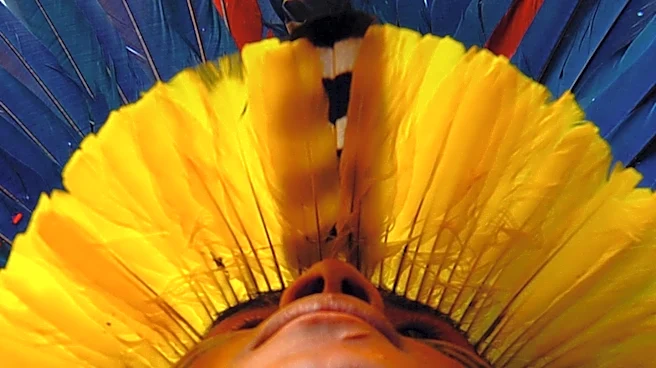
There are approximately 196 'uncontacted' Indigenous groups worldwide, living in isolation across countries like Brazil, Indonesia, and India. These groups, such as the Sentinelese of North Sentinel Island, actively avoid contact with outsiders to preserve
their way of life. The Sentinelese, believed to be descendants of early humans from Africa, maintain a hunter-gatherer lifestyle and reject external interaction, even using bows and arrows to deter visitors. Other groups, like the Kakataibo in Peru, erase their footprints to remain hidden. These communities face threats from industries encroaching on their lands, yet they continue to resist contact to protect their cultural heritage.
Why It's Important?
The existence of uncontacted peoples highlights the diversity of human societies and the importance of preserving cultural heritage. These groups face significant risks from external pressures, including disease and exploitation by industries. Their isolation serves as a protective strategy against historical and ongoing threats. Understanding and respecting their choice to remain uncontacted is crucial for their survival and autonomy. The international community must balance the need for protection with the rights of these groups to self-determination, ensuring their lands and lifestyles are safeguarded from external interference.
Beyond the Headlines
The term 'uncontacted' can be misleading, as these groups are aware of the outside world but choose isolation. Misconceptions about their lifestyles often portray them as primitive, ignoring their complex social structures and knowledge. Historical encounters with colonizers have shaped their wariness of outsiders. Advocacy groups argue that forced contact leads to more harm than good, emphasizing the need for policies that respect their autonomy. The Sentinelese and other isolated peoples challenge our understanding of progress and highlight the need for ethical considerations in interactions with Indigenous communities.